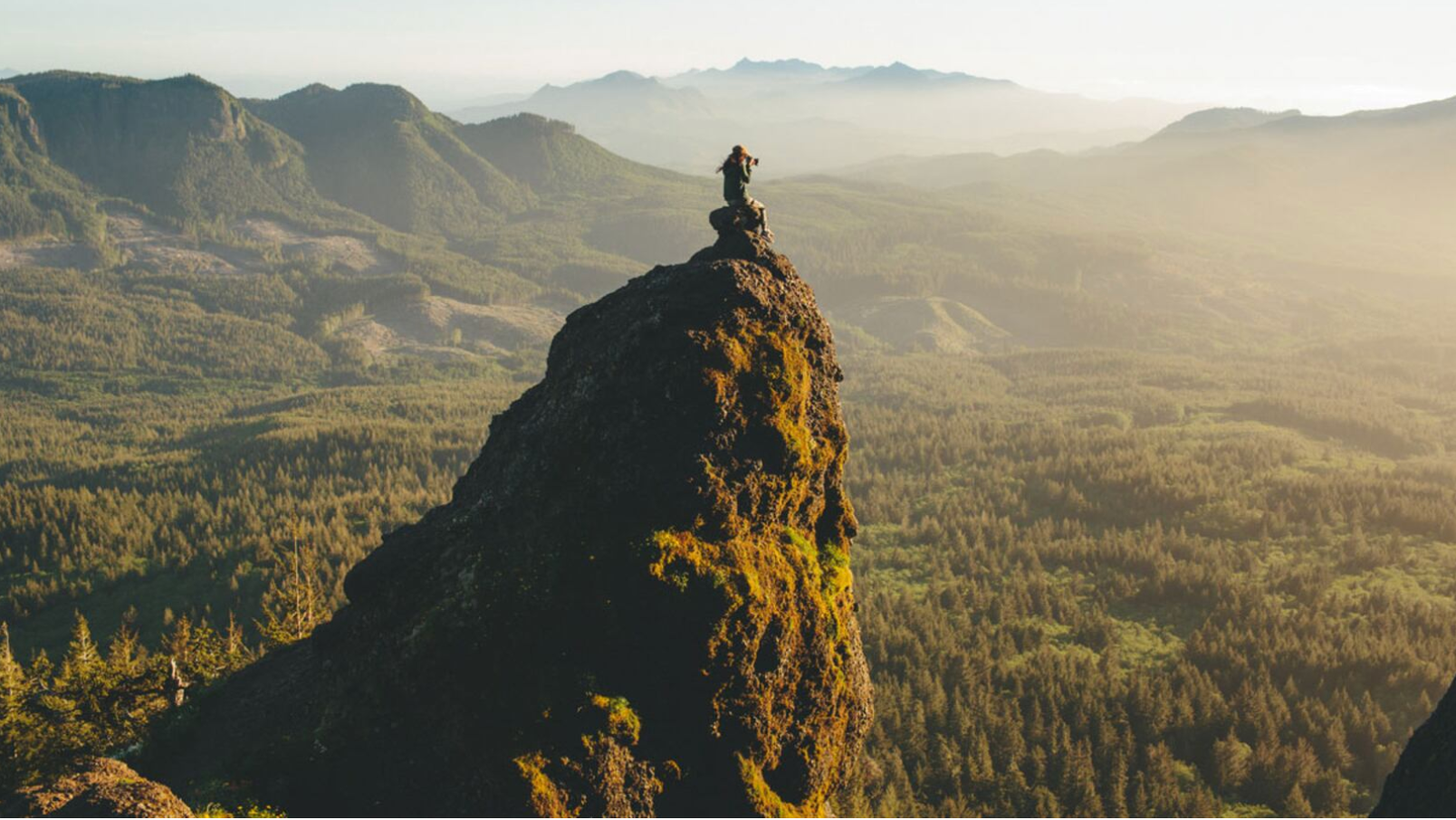
About Saddle Mountain Trail
The Saddle Mountain Trail is located in Saddle Mountain State Natural Area, near Seaside, Oregon. It offers breathtaking mountaintop views that extend from the Pacific Ocean to Mount Hood and three Washington stratovolcanoes.
This steep climb leads to the top of a double-peaked basalt summit, which was formed by lava flows from 15 million years ago that reached the ancient Astoria Sea, creating a large mound of breccia.
The geological formations were further influenced by the last ice age, providing refuge for various plant species and adding to the mountain’s ecological and environmental significance. This unique geological formation makes Saddle Mountain the most distinctive prominence at the northern end of Oregon’s Coast Range.
In mid-spring through summer, the upper slopes are adorned with vibrant wildflower meadows. Due to the trail’s popularity, it’s best to start your hike early or visit on a weekday to avoid crowds.
Elevation Gain: 1,900 feet
Length: 4.7 mi
Route: There & back
Difficulty: Hard
Seasons: April through November
Regulations, Facilities, and Hours
Fees: No fee (day use only)
Dogs: Allowed on leash, but not recommended due to the challenging terrain
Facilities: Vault toilets, picnic area, information kiosk; no drinking water
Hours: Open dawn to dusk
Where is Saddle Mountain Trail in Northwest Oregon?
Saddle Mountain Trail is located in the Saddle Mountain State Natural Area near Seaside, Oregon. This area is situated in the northern part of Oregon’s Coast Range, offering stunning views of the Pacific Ocean, the Columbia River, and several prominent mountain peaks. The trailhead can be reached from U.S. Highway 26, which provides access to the park.
The access road, located just east of milepost 60 on SR 24, is well-graveled but not clearly marked. Finding this road is essential for more efficient access to the trailhead, as not locating it can lead to longer walks and more challenging hikes.
The Trail Overview

The trail begins at the parking area in what was once a campsite, now a day-use area. You’ll start on a paved path, which soon transitions into a lush forest of red alder, with salmonberry bushes lining the way. The trail passes several massive conifer stumps, remnants of the ancient forest that once dominated these lower slopes.
As you ascend, the forest transitions to Douglas-fir and Sitka spruce. You’ll pass a viewpoint for Humbug Mountain, offering an early glimpse of the scenic beauty to come. The trail then zigzags up the hillside, skirting around house-sized boulders of volcanic breccia. Further along, you’ll traverse grassy slopes blooming with nodding onions and desert parsley before re-entering the forest.
Using trekking poles can enhance stability and safety on the steep and rugged sections of the trail, especially where loose rocks are present.
The upper part of the trail is steeper and more rugged, with wire mesh laid down to provide traction and prevent erosion. Along the way, you may spot rare plants like the Saddle Mountain bittercress and Saddle Mountain saxifrage. The final push to the summit involves several switchbacks through wildflower meadows before you reach the rocky spine of the mountain.
Great Views from the Summit
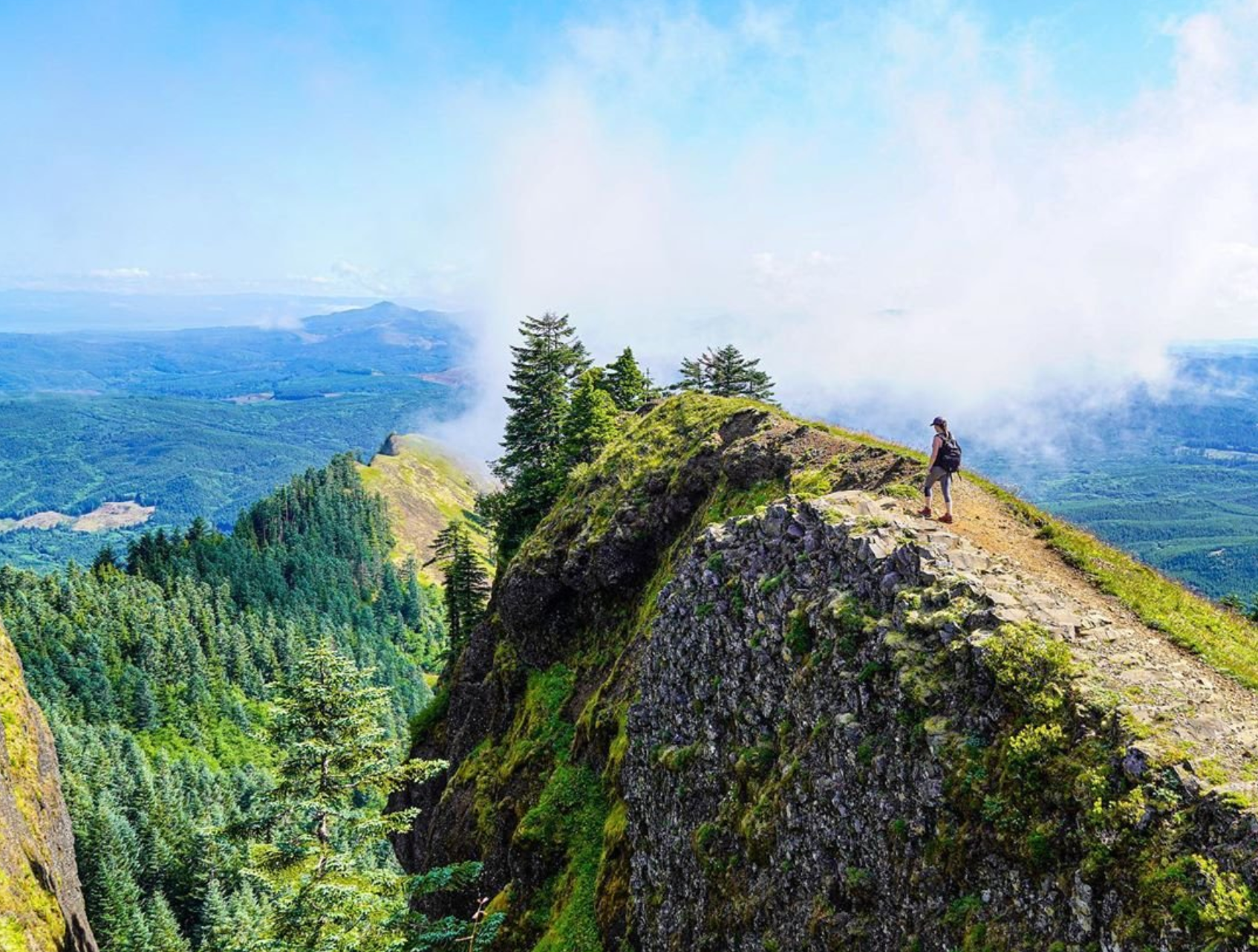
At the summit of Saddle Mountain, you’ll be rewarded with expansive views on clear days. One of the notable landmarks visible from the summit is the Tillamook Rock Lighthouse, also known as ‘Terrible Tilly’. To the west, you can see Nehalem Bay, Onion Peak, Tillamook Head, Clatsop Spit, and the Astoria-Megler Bridge across the Columbia River.
Looking south, Marys Peak stands as the most prominent peak in the Coast Range. On exceptionally clear days, you can spot Mount Hood, Mount Jefferson, and the Washington summits of Mount Saint Helens, Mount Rainier, Goat Rocks, and Mount Adams. The Olympic Mountains may also be visible to the north.
Rare Wildflowers and Wildlife at Saddle Mountain
Saddle Mountain is home to some of the rarest and oldest species of wildflowers, lichens, and mosses in the northern Oregon Coast Range. The unique habitat, shaped significantly by the Ice Age, supports several species that are found almost nowhere else. During the Ice Age, Saddle Mountain acted as a refuge for plant species, influencing its current biodiversity. Notably, the early blue violet, which is the main food source for the threatened silverspot butterfly, thrives here.
This special habitat has earned Saddle Mountain the highest level of protection as a State Natural Area. Here are just a few of the remarkable species and wildflowers you might encounter:
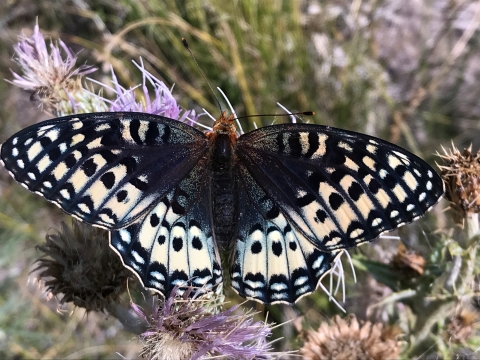
Silverspot Butterfly

Cope’s Giant Salamander

Willamette Valley Larkspur

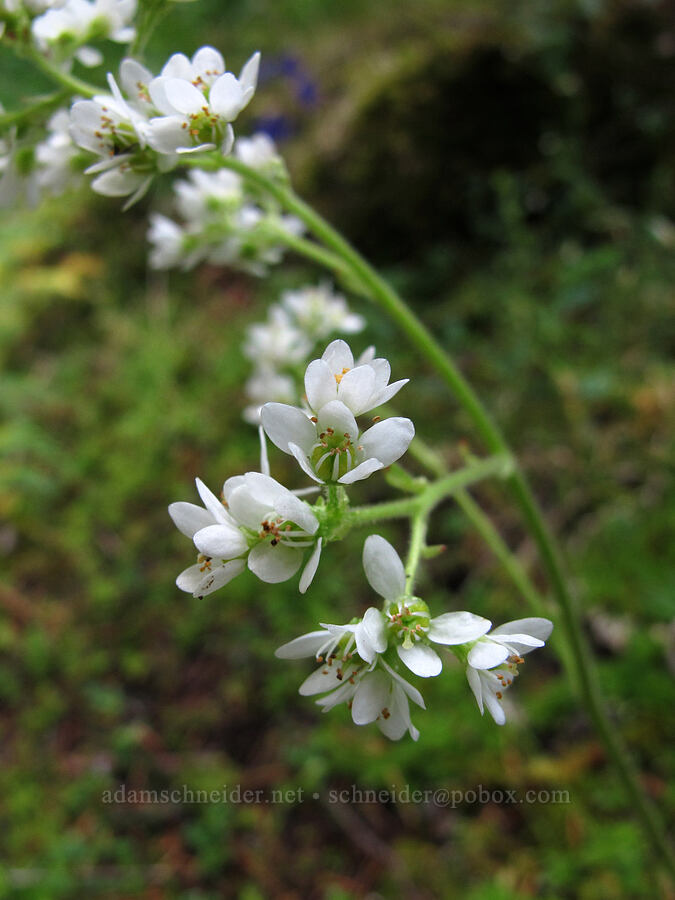
Saddle Mountain Saxifrage

Alaska Long-Awned Sedge
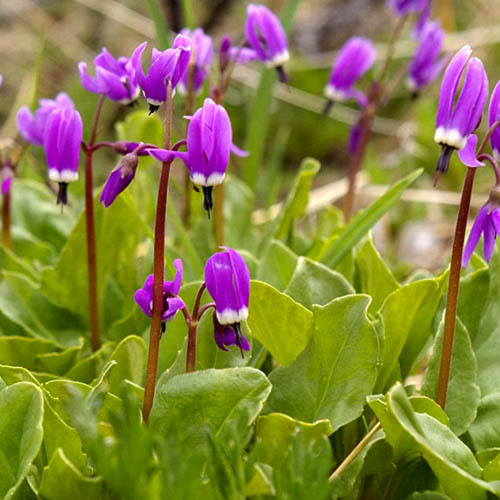
Frigid Shootingstar
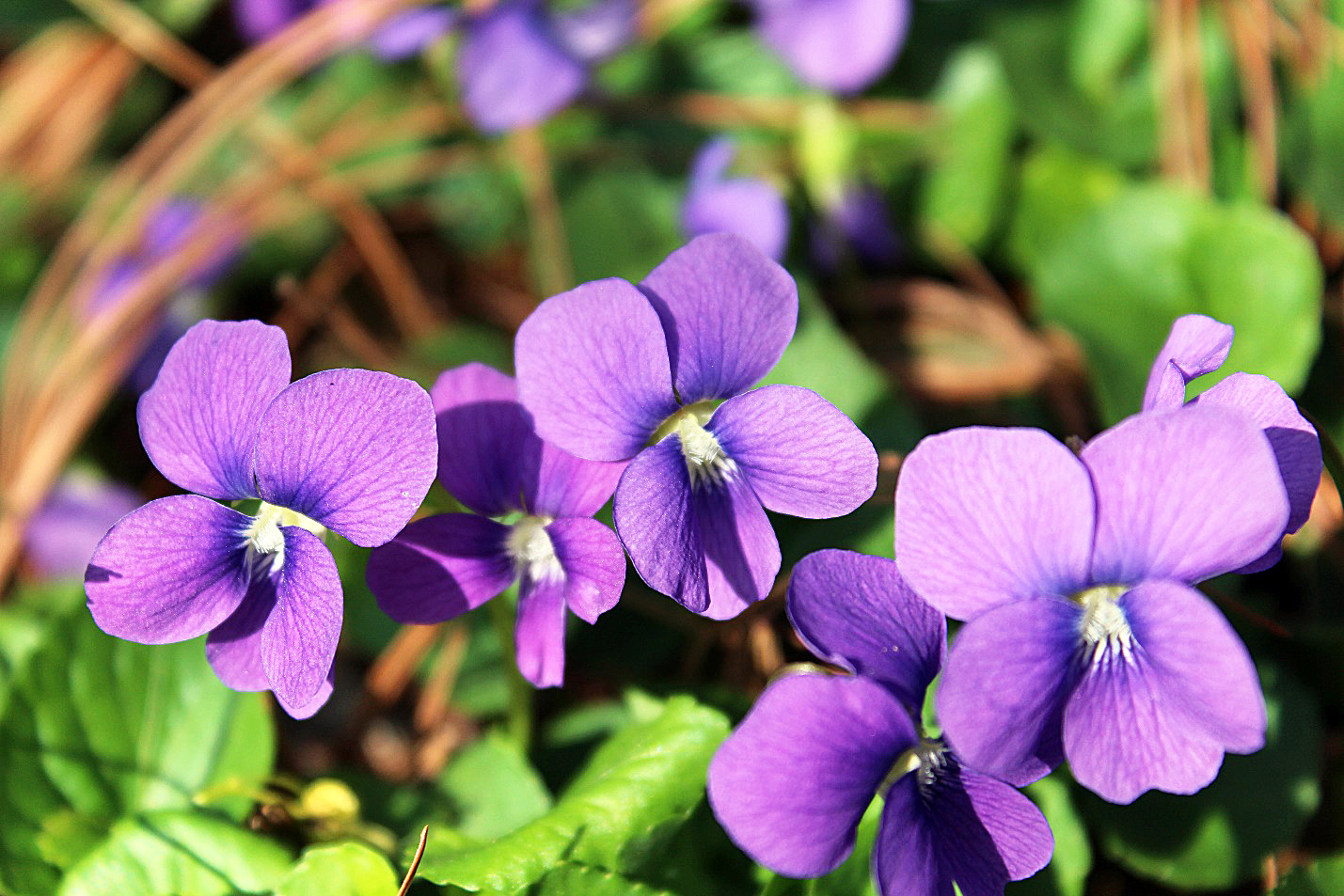
Early Blue Violet

Wandering Daisy
Nearby Easier Alternative Trails
If the challenging climb isn’t for you, consider the shorter Humbug Mountain Viewpoint trail, which branches off from the main trail just a quarter mile from the trailhead. For the safety of your dog and to respect fellow hikers, please keep your dog on a leash (maximum 6’). Be aware of loose wire ends on the wire mesh surface of the trail, and you might want to bring dog boots for added protection.
Visitors can also enjoy the seaside promenade in the nearby Seaside area for leisurely activities.
End of the Trail
Whether you’re drawn by the stunning views, the rare wildflowers, or the challenge of the hike, Saddle Mountain Trail offers an unforgettable outdoor experience. Enjoy the adventure and the spectacular sights that make this trail a must-visit on the Oregon Coast. And if you are looking for more things to do in the area check out our post on things to do in Astoria!