The Wallowa Mountains in northeastern Oregon, granite peaks and alpine wilderness of Eagle Cap
Oregon Tails

Backpacking in Oregon

Multi-day routes, gear guides, permit info, and packing know-how for the Cascades, Wallowas, and the Oregon Coast Trail.

43+ Designated Wilderness Areas
382 Miles of Oregon Coast Trail
9,733 Ft. High Point, Steens Mtn

Multi-day terrain unlike anywhere else in the West

Oregon is one of the few states where you can go from fog-draped coastal headlands to glaciated volcanic summits on the same long weekend. The Cascades, Wallowas, coast, and high desert each offer completely different backpacking experiences, and very few of them are crowded once you get past the first trailhead miles.

Planning matters more here than in many western states. Permit systems have expanded in recent years, weather windows on high routes are short, and the coast requires tide-table awareness on beach sections. This hub covers the routes, gear, and logistics you need to get out.

Volcanic Cascades Three Sisters, Mount Jefferson, and the Obsidian Trail area offer lava fields, alpine lakes, and exposed ridge walks. Mostly snowfree from mid-July through October.
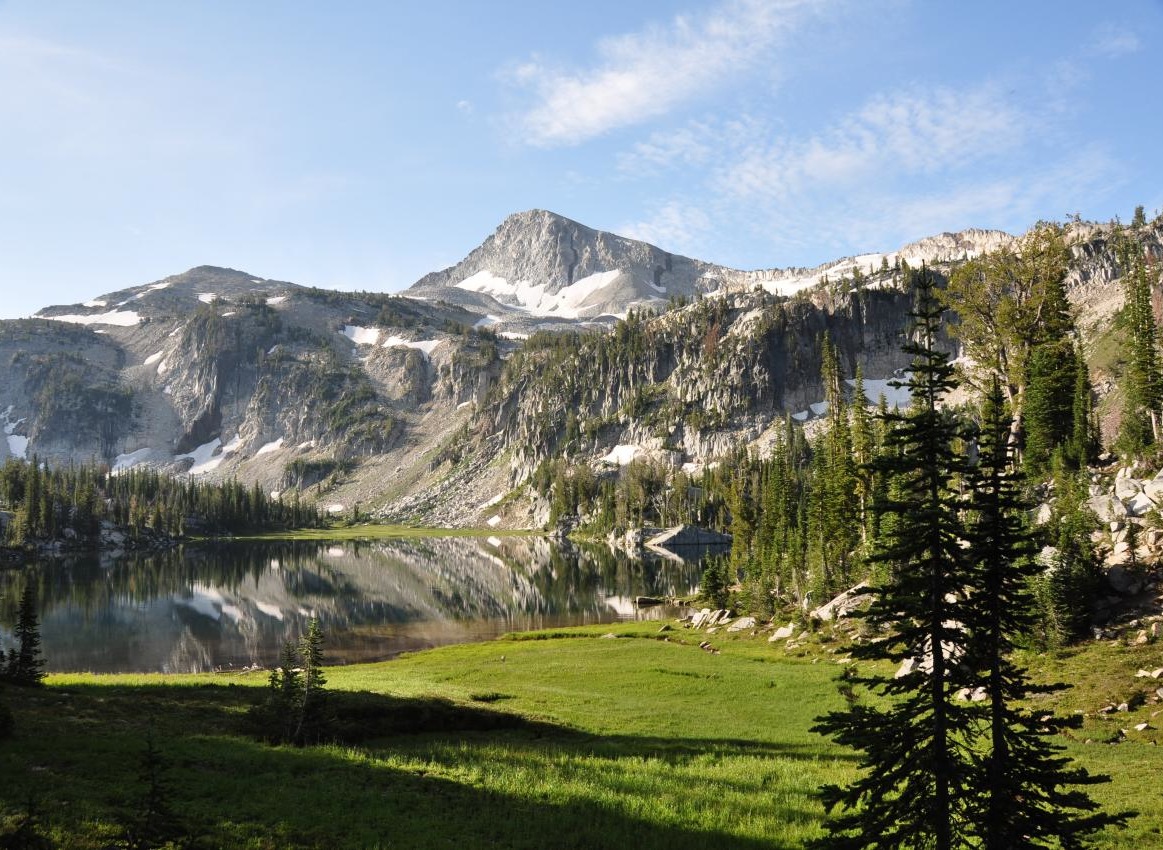
Eagle Cap Wilderness Oregon’s most underrated wilderness. Granite peaks, 50-plus alpine lakes, and trails that rival the Sierra Nevada with a fraction of the foot traffic.
Oregon Coast Trail A 382-mile route linking beaches and headlands from the Columbia River to California. Best done in sections, with tide-table planning required on beach crossings.
Backpacking Guides

Everything You Need to Plan Your Trip

Where to Go

Signature Oregon Destinations

Three Sisters Wilderness in the Oregon Cascades, volcanic peaks above alpine lakes
Central Cascades

Three Sisters Wilderness

Oregon’s most accessible big-wilderness backpacking from Portland and Eugene. Lava flows, alpine lakes, and open volcanic terrain on routes like the Obsidian Trail and South Sister approach.
Season Mid-July to Oct
Permit recreation.gov quota
Eagle Cap Wilderness in the Wallowa Mountains, Oregon's most underrated backpacking destination
Northeast Oregon

Eagle Cap Wilderness

Oregon’s largest wilderness and most underrated destination. Granite peaks, 50-plus lakes, and the 30-mile Eagle Cap loop with far fewer people than comparable Sierra routes.
Season Late July to Sept
Permit Self-issue trailhead
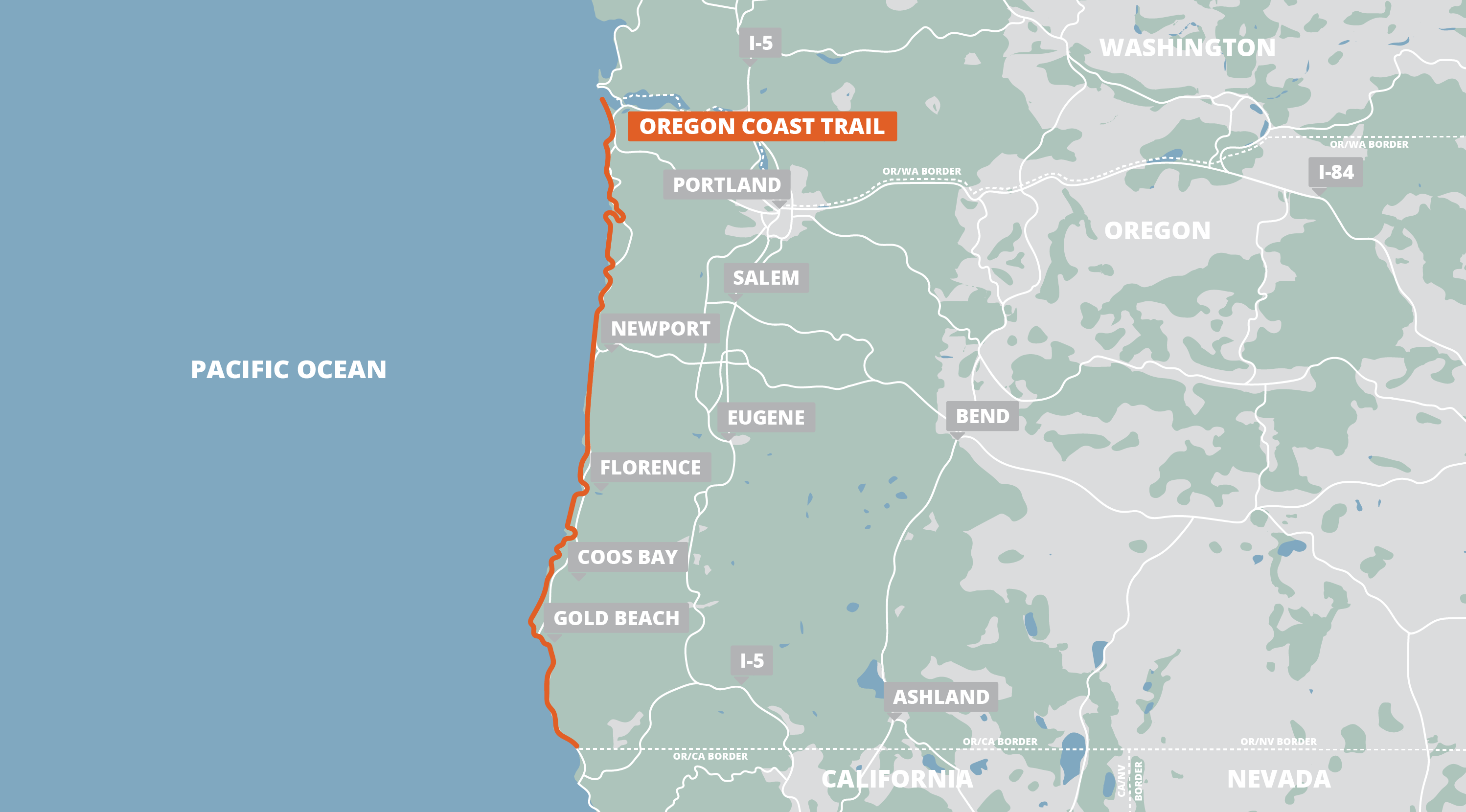
Oregon Coast Trail map showing the full 382-mile route from the Columbia River to California
Oregon Coast

Oregon Coast Trail

A 382-mile route from the Columbia River to California. Best done in sections of 3 to 7 days. Beach sections require tide planning. Cape Falcon to Oswald West is the standout opener.
Season May to Oct
Permit State park reservations
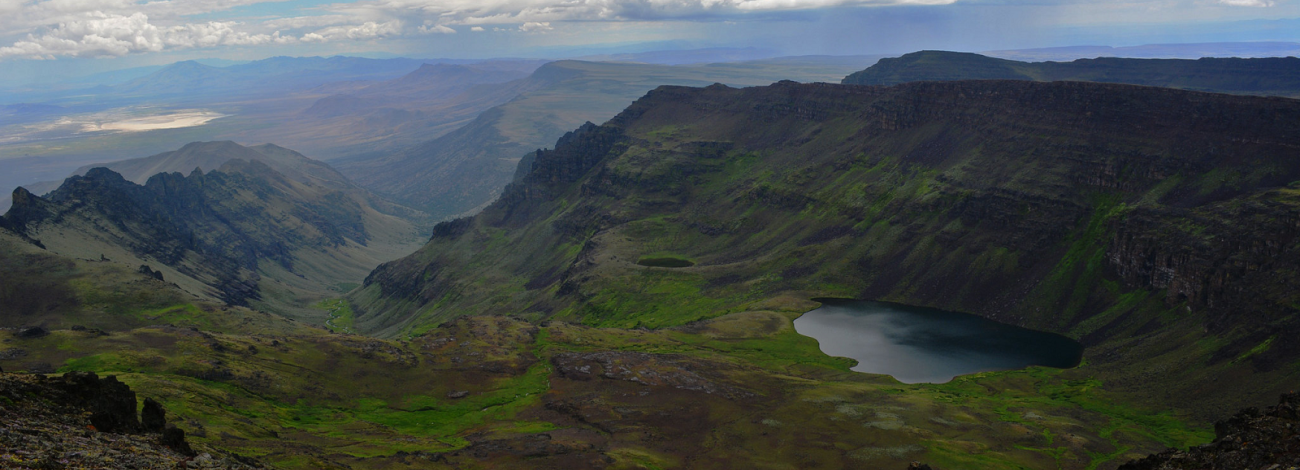
Steens Mountain in southeastern Oregon, remote high desert wilderness rising above the Alvord Desert
Southeast Oregon

Steens Mountain

Remote by any standard. Gorge views, wild horse territory, and genuine solitude. Best in late May and early June before summer heat. No quota and minimal infrastructure.
Season Late May to July
Permit None required
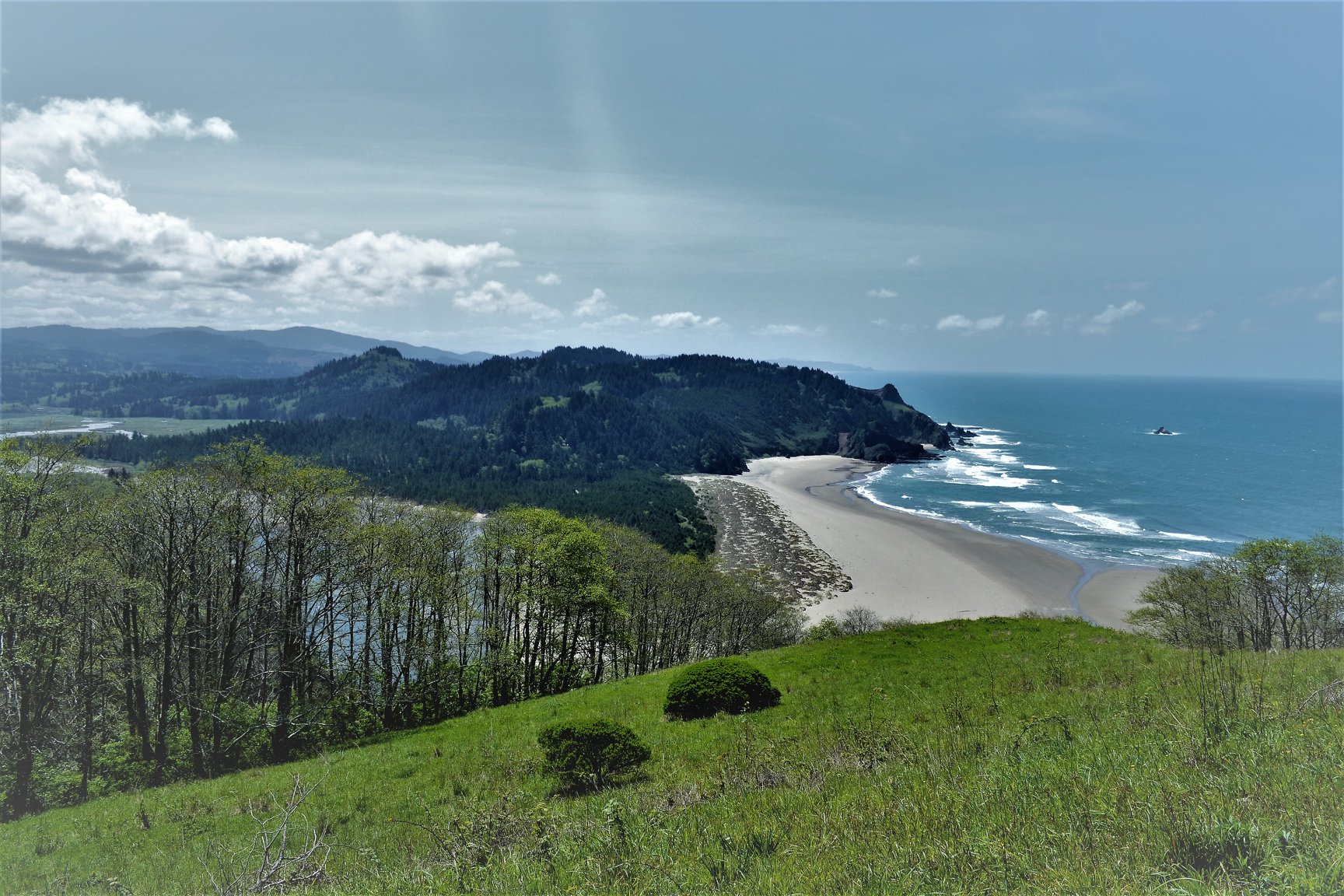
Oregon coast headlands and ocean, part of the Oregon Coast Trail backpacking route
Gear Reviews

Gear tested on Oregon trails

Sleeping bags, backpacks, trekking poles, and headlamps reviewed at every price point, with honest notes on what held up in wet conditions and what didn’t.

Common Questions

Oregon Backpacking FAQ

The Wallowa Mountains in northeastern Oregon offer some of the finest backpacking in the state, with granite peaks, alpine lakes, and trails that rival the Sierra Nevada. The Three Sisters Wilderness in the central Cascades is the most accessible multi-day destination from Portland and Eugene. The Oregon Coast Trail offers a completely different experience, linking beaches and headlands for over 380 miles. For solitude and desert scenery, the Steens Mountain Wilderness in southeastern Oregon is genuinely remote and undervisited.
Most Oregon wilderness areas require a free self-issue permit filled out at the trailhead. High-use areas including the Three Sisters Wilderness, Mount Jefferson Wilderness, and areas around Mount Hood now use recreation.gov quota systems for overnight stays from June through October. Eagle Cap Wilderness requires an advance permit from the Wallowa-Whitman National Forest. Always check the specific area on the USFS Pacific Northwest Region website before your trip. Our Oregon wilderness permits guide covers each major area in detail.
Oregon’s weather demands rain readiness even in summer. Core gear: a pack sized to your trip length (35 to 50L for 1 to 3 nights, 50 to 75L for longer), a shelter, a sleeping bag rated for the expected lows, a sleeping pad, a stove and fuel, a water filter, navigation tools, and the ten essentials. For the Cascades before July, add gaiters and microspikes. A bear canister is required at most Oregon Coast campsites and recommended throughout the Cascades.
Temperature rating is the most important decision. Match it to the coldest night you expect, not the average. Down sleeping bags are lighter and more compressible than synthetic but lose insulation when wet. Synthetic bags and water-resistant down bags are more reliable for rainy or shoulder-season conditions. Fill power (600 to 900+) indicates warmth-to-weight ratio: higher fill power means lighter and more packable for the same temperature rating. A 20F or 30F bag covers most three-season backpacking. See our full sleeping bag buying guide for a complete breakdown.
For down bags, stuff rather than fold. Open the bag fully, push the foot end into the stuff sack first, then feed the rest in loosely. Folding creates permanent crease lines that damage down clusters and baffles over time. For synthetic bags, either stuffing or rolling works. To roll: lay flat, fold lengthwise once, then roll tightly from the foot end, compressing as you go. Store both types loosely in a large cotton or mesh sack at home to preserve loft.
Yes, but use a front-loading machine only. Top-loaders with agitators can tear baffles and destroy down fill. Use a down-specific detergent (Nikwax Down Wash or similar) on a gentle, warm cycle. Never use regular detergent or fabric softener. After washing, dry on low heat with two or three clean tennis balls to break up clumped down. Expect 2 to 3 dryer cycles at low heat before the bag is fully dry. A damp down bag stored away will mildew.
Weight varies significantly by type and rating. A lightweight 3-season down bag (20F to 32F) typically weighs 1 to 2 pounds. A mid-range synthetic 3-season bag runs 2.5 to 4 pounds. Cold weather bags (0F and below) range from 2 pounds for premium down to 5 or more pounds for synthetic. For backpacking, target under 2 pounds for a 3-season bag. Car camping bags can weigh more since pack weight is not a constraint.