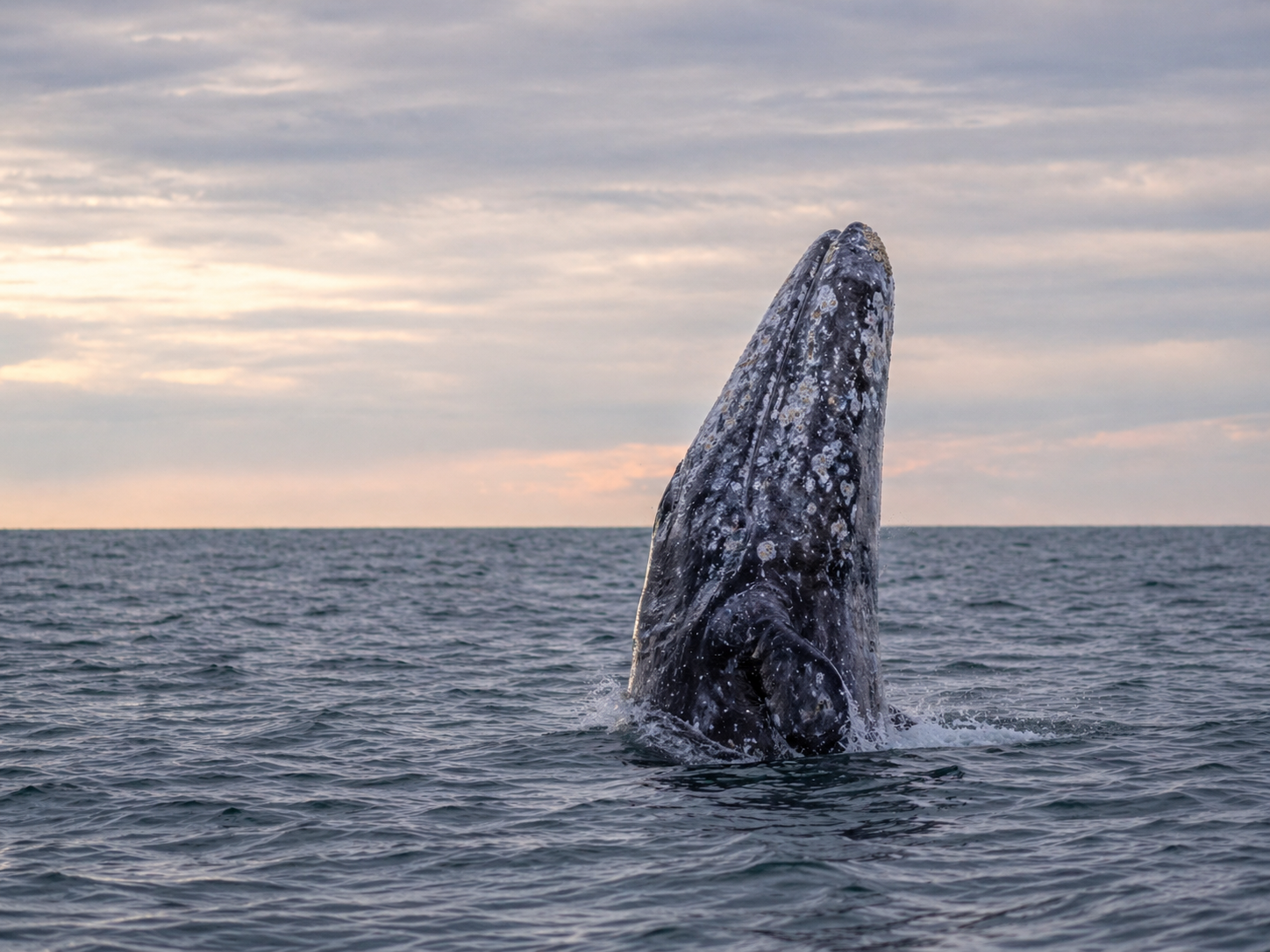
Whale Watching Tours on the Oregon Coast
The best whale watching tours on the Oregon Coast: operators, prices, and tips for picking the right charter in Depoe Bay, Newport, and the South Coast.
The clearest path to a close-up whale sighting in Oregon
If you’ve ever stood on a windswept Oregon headland and seen a misty spout in the distance, you already know the pull. The good news: you don’t need a 200mm lens or hours of patience to get a closer look.
Whale watching tours on the Oregon Coast are concentrated in a small, well-run group of charter operators, most of them clustered in a single town, that can put you within a few hundred yards of a 40-ton gray whale in under an hour from the dock. This guide compares the best of them.
The Best Whale Watching Tours on the Oregon Coast
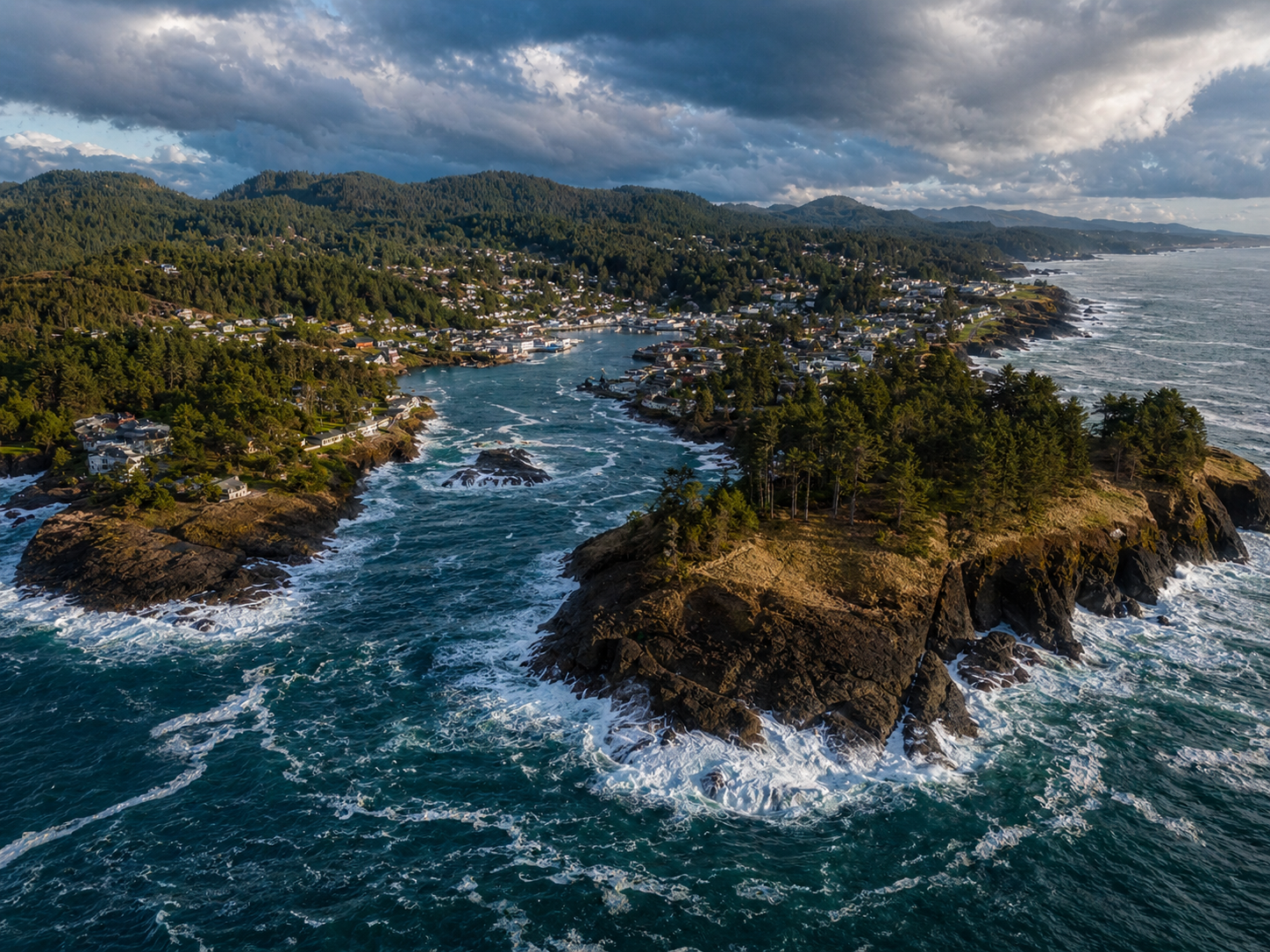
Almost every reputable whale watching charter operates out of Depoe Bay, widely called the “Whale Watching Capital of the Oregon Coast.” Newport, twelve miles south, runs larger boats with heated cabins. And on the South Coast, a single small operator runs trips out of Port Orford that almost no one knows about.
Whale Research EcoExcursions
Marine biologist–led zodiac tours. The most educational option.
- Boat
- Zodiac RHIB · 6 or 13 passengers
- Length
- 1.5 hours
- Price
- ~$45 adult / $35 child
- Schedule
- Tue–Sun, hourly 9am–3pm
Owned by Carrie Newell, a marine biologist with 35+ years studying the resident gray whale population, many of which she knows by name. Pre-trip educational video and Whale, Sea Life and Shark Museum included. The 6-passenger boat can do dock pickup for guests with mobility issues; the 13-passenger boat can’t.
oregonwhales.comTradewinds Charters
Largest fleet, most stable boats, lowest entry price.
- Boat
- 6–8 large covered vessels with cabins
- Length
- 1 or 2 hours
- Price
- ~$20 (1-hr) / $35 (2-hr) adult
- Sighting
- 98% success rate (per operator)
The oldest charter on the West Coast. Boats are large and stable with covered cabins, indoor seating, restrooms, and a PA system the captain uses to narrate the trip. If anyone in your group is iffy about small boats, this is the safe pick. The 1-hour cruise is the cheapest in-water tour you’ll find.
tradewindscharters.comDockside Charters
Wheelchair-accessible boats and a smaller zodiac option.
- Boat
- 50-ft Delta charters + zodiac option
- Length
- 1 hour (spring) / 1.5 hours (winter)
- Price
- ~$20–$25 (1-hr) / $25–$30 (1.5-hr)
- Season
- Late December – late October
Walks the line between Tradewinds-style comfort and zodiac-style intimacy by offering both. The big Delta boats have walk-on/walk-off access (no climbing over railings) and wheelchair access, by far the most accessible option in town. Ask about the smaller zodiac with Captain Gary, frequently called out by name in reviews.
docksidedepoebay.comWhale’s Tail Charters
Six passengers max. The most personal zodiac trip.
- Boat
- Two zodiac RHIBs · 2–6 passengers
- Length
- 1 hour or 1.5 hours
- Price
- $45 (1-hr) / $55 (1.5-hr)
- Schedule
- 10am, 12pm, 2pm
The first zodiac whale watching operation in Depoe Bay, and the small-group format is the draw. Six passengers max means 360° views and no jostling for position. A 4.9-star operation on Google with a loyal repeat-customer base. Note: moorage slips are narrow, so wheelchair access is limited despite the dock itself being accessible.
whalestaildepoebay.comMarine Discovery Tours
A 65-foot vessel and a captain who lets kids steer.
- Boat
- 65-ft Discovery · heated cabin, coffee/tea
- Length
- 2 hours
- Price
- $60 adult / $35 youth (3–12)
- Season
- Daily, March–October
Costs about twice as much per hour as Depoe Bay, partly because Yaquina Bay’s harbor is bigger and reaching open ocean takes longer. What you get in return is a much bigger vessel and a uniquely family-friendly experience: the crew sets crab pots before leaving and pulls them on the way back, and kids are often invited into the wheelhouse to “drive.”
marinediscoverytours.comSouth Coast Tours
The only dedicated whale tour for hours in either direction.
- Boat
- “Black Pearl” · Coast Guard–style RHIB
- Departs
- Dolley Dock, Port Orford
- Tour
- Whales & Wildlife Boat Tour
- Booking
- By demand · call ahead
If your trip takes you south of Bandon, this is the only dedicated whale watching tour for hours in either direction. The route covers Redfish Rocks (Oregon’s first marine reserve, closed to harvest since 2012), and reviews consistently mention sightings of resident gray whales, harbor seals, sea lions, and seabirds. Blue whale sightings are rare but documented.
southcoasttours.net
What to Expect on a Tour
Most whale watching tours on the Oregon Coast run between one and two hours. Boats from Depoe Bay reach feeding zones almost immediately because the resident gray whales (about 200 of them) feed within half a mile of shore from June through October. During the migration peaks (mid-December and mid-March through May), boats may travel one to three miles offshore to intercept the main pod.
You’ll almost certainly see harbor seals, sea lions, and a variety of seabirds: pelicans, cormorants, common murres, and bald eagles among them. Gray whales are by far the most commonly sighted whales, but humpbacks and (very occasionally) blue whales and orcas also pass through. Captains share information about what you’re seeing, point out spouts, and reposition the boat for the best views. The main thing to know: spouts are visible from miles away on a calm day, and experienced captains know exactly where to look.
How to Choose the Right Tour for You
The choice mostly comes down to four factors: boat size, comfort, budget, and what you want from the trip.
Want close-up adventure
Book a zodiac with Whale Research EcoExcursions or Whale’s Tail. Six-passenger boats put you eye-level with the water.
Traveling with young kids
Go with Marine Discovery Tours or Tradewinds. Bigger boats, heated cabins, and a smoother ride.
On a tight budget
Tradewinds and Dockside both run 1-hour cruises around $20, among the cheapest whale watching tours anywhere.
Mobility concerns
Dockside Charters is the most accessible option, with walk-on/walk-off boats and wheelchair access.
Want education first
Whale Research EcoExcursions. Carrie Newell is a published marine biologist who has researched this exact whale population since the 1980s.
Exploring the south coast
South Coast Tours. The only dedicated whale tour from Bandon to the California border. Skip the Depoe Bay crowds entirely.
Best Time to Book a Tour
The peak booking pressure for whale watching tours on the Oregon Coast is during the two annual Whale Watch Weeks: late December (between Christmas and New Year’s) and the last week of March, when Oregon State Parks stations volunteer naturalists at 26 sites along the coast. If you’re planning a trip during either of these windows, book your charter two to four weeks ahead. Outside those windows you can usually get a same-week booking, especially mid-week.
The summer resident season (June through September) offers the calmest seas, the most reliable sightings (gray whales feed within half a mile of shore), and the most pleasant weather for being on the water. For a deeper breakdown of seasonal patterns and sighting odds month by month, see our full whale watching on the Oregon Coast guide.
What to Bring & How to Prepare
-
Dress in layers Even on warm summer days, wind off the Pacific is sharp. A windproof outer layer is essential; gloves and a beanie are smart in winter and spring.
-
Take motion sickness meds early Bonine or non-drowsy Dramamine, taken an hour before departure. Once you’re feeling queasy, it’s too late.
-
Sit toward the back of zodiacs The bow takes the most spray and the most movement. Stern is calmer if you’re worried about the bumpy ride.
-
Strap your camera or phone Phones go overboard with surprising regularity. A wrist strap or lanyard is cheap insurance.
-
Skip the heavy breakfast A light meal an hour before departure is the sweet spot. Empty stomach = nausea; heavy stomach = same.
-
Arrive 20–30 minutes early Time for check-in, the pre-trip safety video, and a last-minute restroom visit before boarding.
Tour Etiquette & Whale Safety
Gray whales are protected under the federal Marine Mammal Protection Act, which makes it illegal to harass, pursue, or disturb them. Touching gray whales is not legal in the United States. The famous National Geographic footage of people petting whales was filmed in San Ignacio Lagoon in Baja California, Mexico, a regulated area where the whales themselves choose to approach boats. In U.S. waters, NOAA recommends boats stay at least 100 yards from gray whales and avoid blocking their path.
Reputable Oregon Coast operators all follow these guidelines, but it’s worth noticing how a captain handles approach distances and whether other boats in the area are crowding a whale. Reviews of operators that “encroach” on whales are a red flag. The better captains hold position and let the whale come to them.
Frequently Asked Questions
Where to spot whales from shore, and when
Booking a tour is half the picture. For the ten best shore-based viewpoints, a month-by-month migration breakdown, and how to fit whale watching into a longer Oregon Coast itinerary, see our full guide.
Read the Oregon Coast Guide