The Best Binoculars
10 top picks across every use case. From $57 starter pairs to $1,500 luxury optics, ranked by build, glass quality, and real-world value.
A binocular is a tool, and the right one depends entirely on what you’ll do with it. There’s no single “best binocular”, just the best one for your specific use case. Birders want different specs from hunters. Boaters want different specs from astronomers. Hikers want different weight tradeoffs from anyone using a tripod.
This guide reviews ten picks across every major category: birding, hunting, marine, astronomy, compact travel, variable zoom, premium, luxury, and budget. Brands include Vortex, Nikon, Zeiss, Bushnell, Steiner, and Celestron. Prices span $57 to $1,500, the full realistic range for non-professional use.
If you don’t know your use case yet, the Vortex Diamondback HD 10×42 is the closest thing to a universal answer. With over 10,000 reviews at 4.8 stars, it’s the most-recommended model on Amazon and a defensible starting point in any category outside marine and astronomy.
The 10 Best Binoculars Reviewed
Tap any product to jump to the full review, or click “View on Amazon” to see current pricing and availability.
-
 View on AmazonBest OverallVortex Optics Diamondback HD 10×42 Binoculars
 -
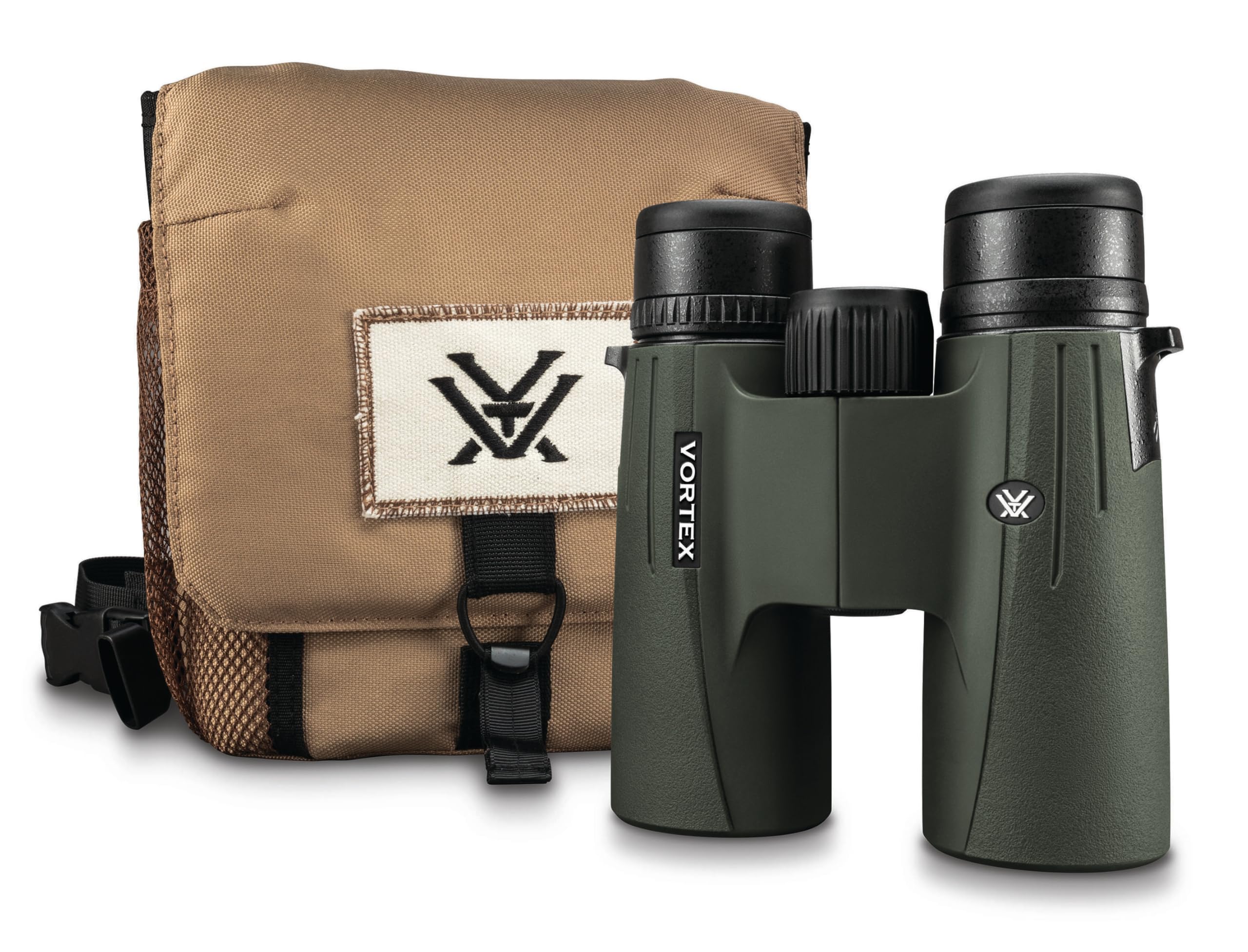 View on AmazonBest PremiumVortex Viper HD 8×42 Roof Prism Binoculars
 -
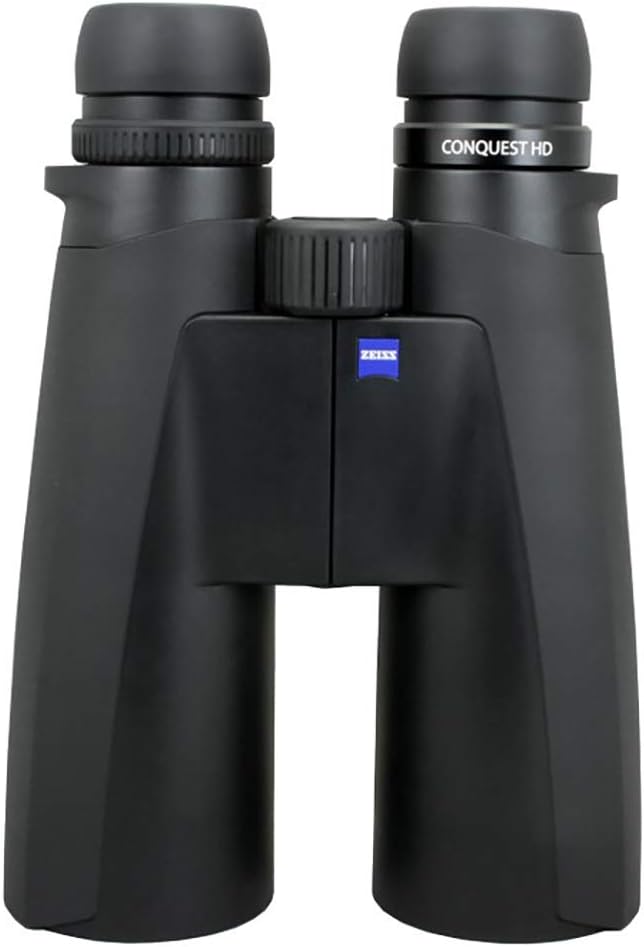 View on AmazonBest LuxuryZeiss Conquest HD 8×42 Binoculars
 -
 View on AmazonBest for BirdingNikon Monarch 5 8×42 Binoculars
 -
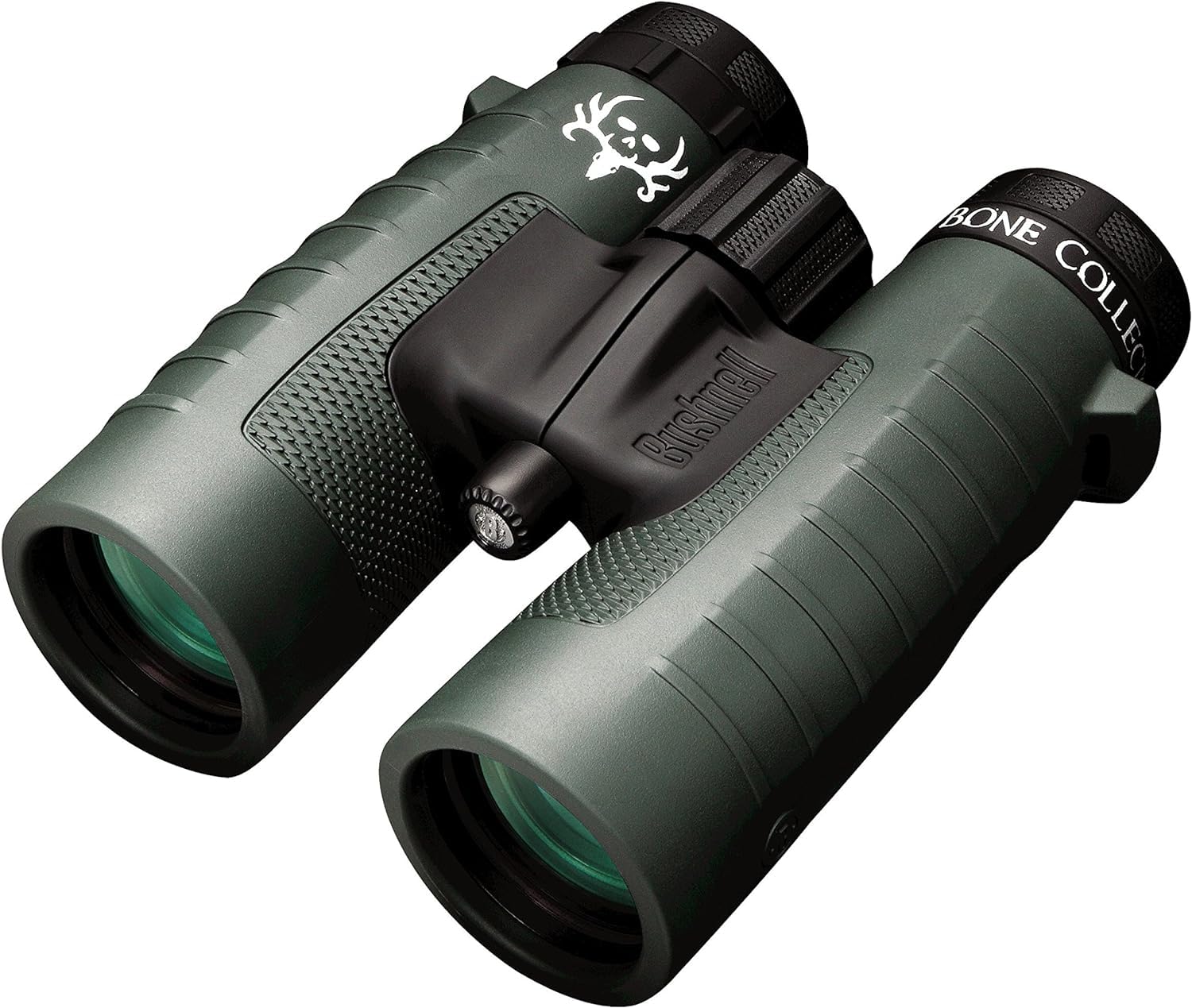 View on Amazon
-
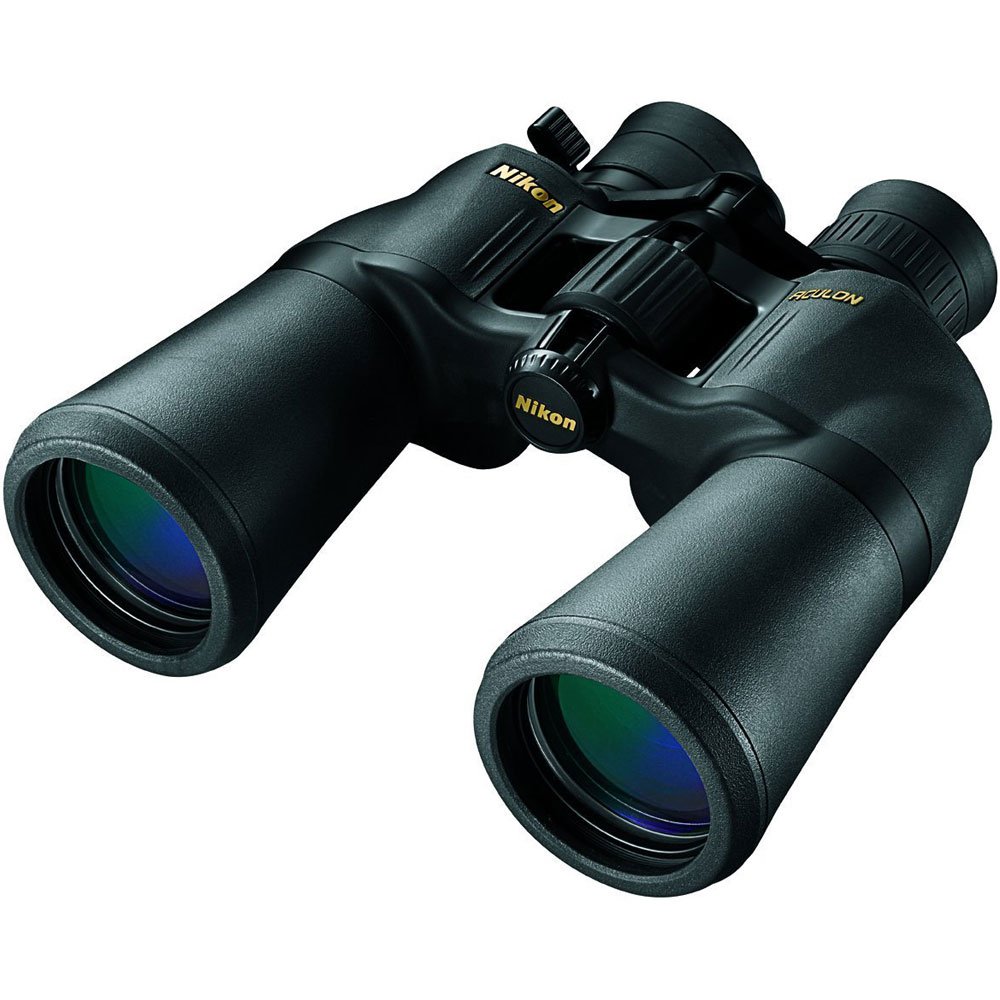 View on Amazon
-
 View on AmazonBest for AstronomyCelestron SkyMaster 15×70 Astronomy Binoculars
 -
 View on AmazonBest CompactNikon PROSTAFF P3 10×30 Compact Binoculars
 -
 View on AmazonBest MarineSteiner Military-Marine 8×30 Binoculars
 -
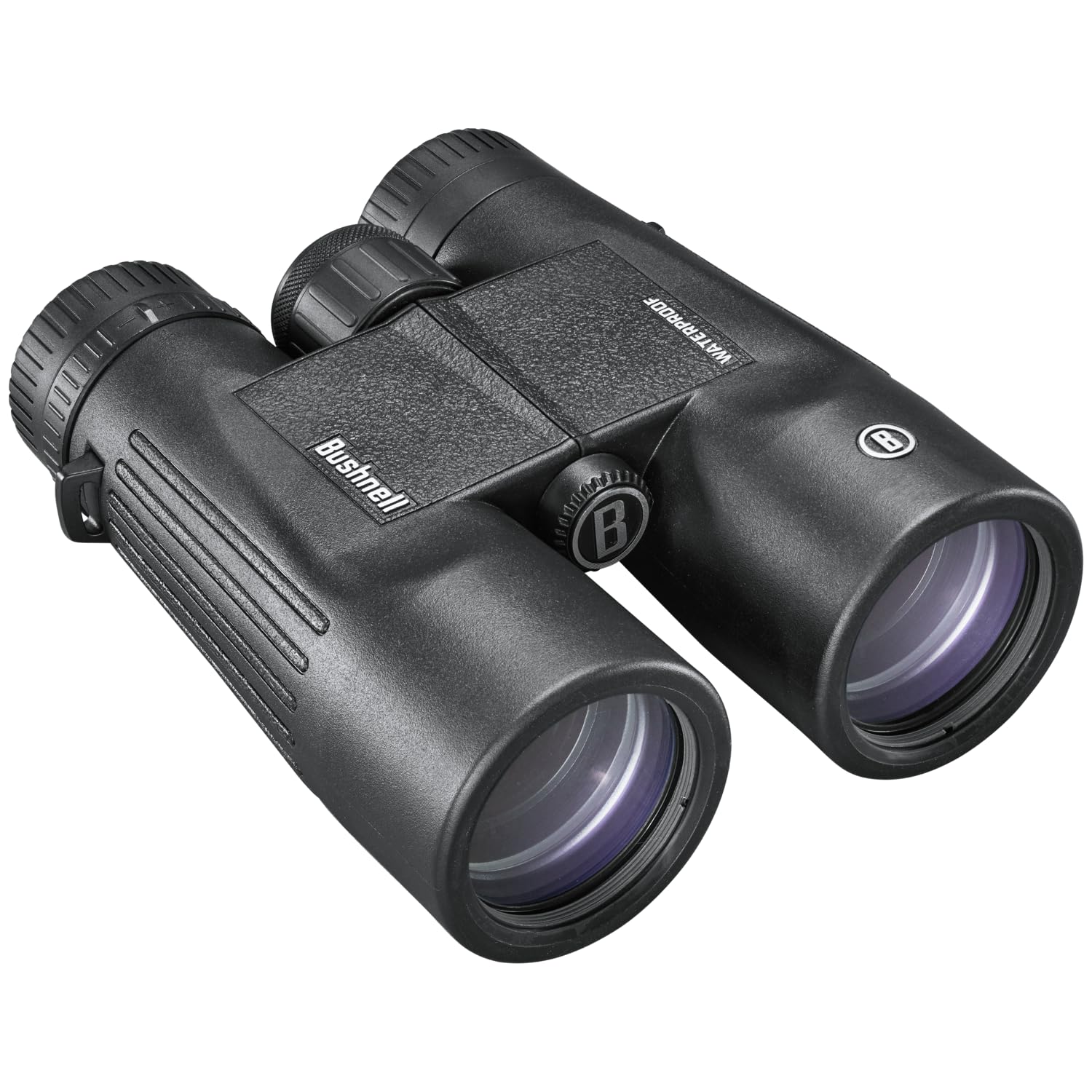 View on AmazonBest BudgetBushnell Explorer 10×42 Waterproof Binoculars
What to Know Before You Buy
Four spec choices determine which binocular fits your use case. Get these right and the rest of the decision falls into place. Get them wrong and you’ll end up disappointed regardless of price.
Magnification: 8× vs 10× is the main choice
8× is steadier; 10× shows more detail. 8×42 is the birding standard because steady image beats more zoom at typical viewing distances. 10×42 wins for hunting and long-range viewing where the extra reach matters and you can brace.
Objective lens: bigger is brighter (and heavier)
The second number (the 42 in 10×42) is the front lens diameter in millimeters. Bigger lens = more light gathering. 42mm is the all-around standard. 30mm is for compact travel. 50mm+ is for low light and astronomy.
Roof prism vs Porro prism
Roof prism = compact and modern, but more expensive. Porro prism = older “binocular shape”, typically better optics dollar-for-dollar but bulkier. Most picks here are roof prism. ACULON A211 and Steiner are Porro.
Eye relief and field of view
Eye relief over 16mm matters if you wear glasses. Field of view (degrees, or feet at 1000 yards) determines how much you see at once. Wide FOV helps with moving subjects (birds, sports). Narrow FOV is fine for static long-range.
All 10 Picks: Detailed Reviews
Each pick is rated on optical quality, build, suitability for its use case, and value at its price tier. Click any “Check Price on Amazon” button for current pricing.
Vortex Optics Diamondback HD 10×42 Binoculars
Over 10,000 reviews at 4.8 stars. The closest thing to consensus in this category.
If you ask ten birders, ten hunters, and ten hikers to recommend a binocular under $300, the Diamondback HD 10×42 will come up in seven of those conversations. The 10,603-review count at 4.8 stars is the strongest social proof of any binocular sold on Amazon, and it’s earned: HD optical system with fully multi-coated lenses, dielectric prism coatings, ArmorTek scratch-resistant exterior coatings, and Vortex’s no-questions-asked lifetime warranty.
The 10×42 spec is the standard versatile setup. Ten-power magnification is enough for distant wildlife or detail work without being so much that hand shake ruins the image. The 42mm objective gathers solid low-light at dawn and dusk without making the binocular too heavy for all-day handheld use (these come in around 21 oz).
If you’re trying to figure out what binocular to buy and you don’t know your specific use case yet, this is the one. It’s not the absolute cheapest, not the absolute best, but it does everything well for a price most people can stomach. The lifetime warranty alone makes it cheaper over a decade than half the alternatives.
Pros
- Highest review count and rating combination of any binocular here
- HD optics with fully multi-coated lenses and dielectric prism coatings
- VIP Warranty: Vortex repairs or replaces, no questions, no time limit
- ArmorTek lens coatings resist scratches, oil, and dirt
- Light enough at 21 oz for all-day handheld use
Cons
- 10× magnification can amplify hand shake for users with shaky hands
- Roof prism design at this price gives slight image quality loss vs Porro
Vortex Viper HD 8×42 Roof Prism Binoculars
Step-up Vortex with ED glass. The tier where serious birders start shopping.
The Viper HD is what you buy when you’ve been using mid-tier binoculars for a couple of years and you want the upgrade you’ll keep. ED (Extra-low Dispersion) glass cuts chromatic aberration noticeably; bright bird plumage against a tree line stays sharp instead of showing color fringing. Argon gas purging instead of standard nitrogen gives marginally better thermal stability.
The 8×42 spec is the long-standing birding standard. Eight-power magnification is steadier than 10× without sacrificing detail at typical birding distances (50-150 feet). The 42mm objective handles dawn chorus and dense forest shade without going dark. At 24.5 oz it’s a touch heavier than the Diamondback, but the optics gain is the point.
Yes, this costs almost twice the Diamondback. For casual users that’s hard to justify; for someone planning to keep the binocular ten years and use it weekly, the math works out. Same lifetime warranty.
Pros
- ED glass for visibly improved color fidelity
- 8×42 spec is the recognized birding standard
- Argon gas purging for thermal stability
- Tripod adaptable for steady long-range viewing
- Same Vortex VIP lifetime warranty as Diamondback
Cons
- Roughly twice the price of Diamondback for incremental optical gains
- Heavier at 24.5 oz; noticeable on long birding walks
Zeiss Conquest HD 8×42 Binoculars
If you want the best optics money can buy at the 8×42 spec, this is the answer.
Zeiss is the German optics company that supplies glass to NASA, Hubble, and serious wildlife biologists. The Conquest HD line is their most accessible serious binocular: still German-manufactured, still using their proprietary T* anti-reflective coatings and LotuTec hydrophobic lens coating that beads water off before fog can form.
The optical performance is incremental over Vortex Viper, but the increments are real. Edge-to-edge sharpness is better. Color rendition is more neutral. Low-light performance at the last twenty minutes of dusk is noticeably better. These are the differences serious users notice; casual users probably won’t.
At $1,500 this is a lifelong investment. The Zeiss limited lifetime warranty plus their service network means a pair bought today should still be functioning thirty years from now. If you’d rather have one great binocular than three good ones, this is the buy.
Pros
- Zeiss T* multi-coated glass and LotuTec hydrophobic lens coating
- Edge-to-edge sharpness and color neutrality at the top of the category
- Low-light performance noticeably better than $500 alternatives
- German-made with limited lifetime warranty
- A lifelong tool, not a five-year purchase
Cons
- $1,500 is the price gate that filters out 95% of buyers
- Optical gains over $500 alternatives are real but incremental
Nikon Monarch 5 8×42 Binoculars
The classic mid-range birding binocular. Lighter and slightly cheaper than Viper HD.
The Monarch line has been the go-to mid-range birding binocular for over a decade. The Monarch 5 8×42 is the version most birders end up with: ED glass for color fidelity, dielectric high-reflective multilayer prism coatings for image brightness, fully multi-coated lenses, waterproof and fogproof construction.
Compared to the Vortex Viper HD: similar price ($296 vs $489 at typical pricing, though Viper goes on sale frequently), similar optical class, but lighter (21 oz vs 24.5 oz) and a bit more compact in the hand. Some birders prefer the Nikon ergonomics; others prefer the Vortex bulk. Both are excellent.
The big differentiator is warranty: Nikon’s is 25-year (US), which is generous but finite. Vortex’s is unlimited. If you’re someone who’ll baby a binocular, that doesn’t matter. If you’re rough on gear, the Vortex warranty justifies the upcharge.
Pros
- ED glass and dielectric prism coatings at $300
- Lighter than Vortex Viper HD at 21 oz
- Long eye relief works well for eyeglass wearers
- Trusted Nikon optical heritage
- 25-year limited warranty (US)
Cons
- Warranty is finite; Vortex’s is unlimited
- Some users prefer the Vortex grip over the Nikon contour
Bushnell Trophy XLT 10×42 Binoculars (Bone Collector Edition) + Harness
Binoculars + deluxe harness for $70. Hunting kit at budget price.
Most hunting binocular reviews leave out a real expense: the harness you’ll need to keep them on your chest while you hike. Buying a harness alone runs $25-40. The Trophy XLT bundle includes the binoculars, a Bone Collector branded model that’s identical optically to the standard Trophy XLT, plus a deluxe binocular harness for $70 total.
Optically, these are mid-tier 10×42s. Multi-coated optics, BAK-4 prisms, waterproof to spray and rain, fogproof from O-ring sealing and nitrogen purging, rubber armored against drops and impacts. The Bushnell Trophy line has been around for 25+ years and the optics, though not premium, are reliable.
If you’re hunting on a budget or buying a starter binocular for a young hunter, this is the smart buy. You’re getting harness + binocular for less than just a Vortex Crossfire harness alone. The 4.7 rating across 2,694 reviews backs up the value angle.
Pros
- Includes binocular harness (saves $25-40 separate purchase)
- Waterproof, fogproof, rubber armored
- 10×42 standard hunting spec
- Strong social proof at 2,694 reviews
- Solid Bushnell brand recognition for warranty service
Cons
- Mid-tier optics; chromatic aberration at high-contrast edges
- Bone Collector branding is polarizing if you’re not into the show
Nikon ACULON A211 10-22×50 Zoom Binoculars
Variable 10× to 22× magnification. One pair for sports, sightseeing, and long-range scanning.
Zoom binoculars are a controversial category. Optical purists dismiss them because variable magnification means optical compromises (more lens elements, more chromatic aberration, more weight). For users who actually need variable magnification, those compromises are worth it.
The ACULON A211 zooms from 10× (standard birding/hunting magnification) up to 22× (long-range observation territory). The 50mm objective is large enough that even at 22× you don’t lose all your light. Porro prism design keeps the optics simpler and the price reasonable. Tripod adapter included for the high-zoom end where handheld becomes impossible.
Use cases this fits well: stadium sports where seats vary from close to far, sightseeing trips with mixed near and distance views, scanning open landscapes for wildlife, long-range observation that doesn’t justify a spotting scope. Use cases this fits poorly: birding at typical 50-150 ft distances (10× alone is plenty), low-light conditions, anything requiring fast target acquisition.
Pros
- Variable 10× to 22× magnification for mixed use
- 50mm objective stays bright through the zoom range
- 4,623 reviews back up the design
- Tripod adaptable for stable high-zoom viewing
- Multi-coated optics with Porro prism design
Cons
- Not waterproof or fogproof; keep out of weather
- Image quality at 22× is noticeably softer than at 10×
Celestron SkyMaster 15×70 Astronomy Binoculars
8,470 reviews say this is how you start in astronomy without buying a telescope.
Beginning astronomers usually go straight to a telescope and discover that telescopes are awkward, fragile, and limited in field of view. Astronomy binoculars are the alternative: wider field of view, easier to point, far more portable. Celestron has been the budget leader in this category for fifteen years and the SkyMaster 15×70 is their best-selling model.
The spec is unusual but purposeful. Fifteen-power magnification is way too much for handheld use; you’ll need a tripod (or sit and brace your elbows on a table). The 70mm objective gathers more than three times the light of a 42mm general-use binocular, which is the whole point for stargazing. Jupiter’s four major moons, the Galilean satellites, are visible. Lunar craters along the terminator are sharp and detailed. The Pleiades cluster shows hundreds of stars.
Beyond astronomy, these are useful for any long-distance scanning where you can use a tripod: birding from a hide, watching wildlife at distance, scanning ships from shore, mountain glassing. Limited utility handheld; great when stable.
Pros
- 70mm objective gathers maximum light for astronomy
- Best-selling astronomy binocular for years (8,470 reviews)
- Tripod adapter and carry case included
- Multi-coated optics throughout
- Far more portable than a starter telescope
Cons
- Far too heavy and high-mag for handheld use; needs a tripod
- Not weatherproofed; keep dry and store properly
Nikon PROSTAFF P3 10×30 Compact Binoculars
Compact 10×30 that handles weather, with a wide field of view for travel use.
Most compact binoculars cut corners on weatherproofing to save weight and money. The PROSTAFF P3 10×30 doesn’t: full waterproof and fogproof construction in a package that weighs about 14.5 ounces, less than half what a 10×42 weighs.
Compact binoculars trade objective lens size for portability, so they struggle in low light. At dawn or dusk, a 10×30 will go dim faster than a 10×42 alternative. For mid-day birding, hiking views, sightseeing, sports, anywhere you need a binocular that fits in a daypack or large jacket pocket, this is the right tradeoff.
The wide field of view spec (5.6° at 10×) is genuinely wide for a compact, useful for tracking moving subjects like birds in flight. Long eye relief makes these comfortable for eyeglass wearers, where many compacts force you to remove your glasses to see the full image.
Pros
- True waterproof and fogproof in a compact package
- Wide field of view (5.6° at 10×) for tracking movement
- Long eye relief works for glasses wearers
- Lightweight at 14.5 oz, fits in a daypack pocket
- Trusted Nikon optics in the compact category
Cons
- 30mm objective limits low-light performance
- 10× magnification at compact size requires steady hands
Steiner Military-Marine 8×30 Binoculars
German-engineered marine binocular at the most accessible price point in the Steiner line.
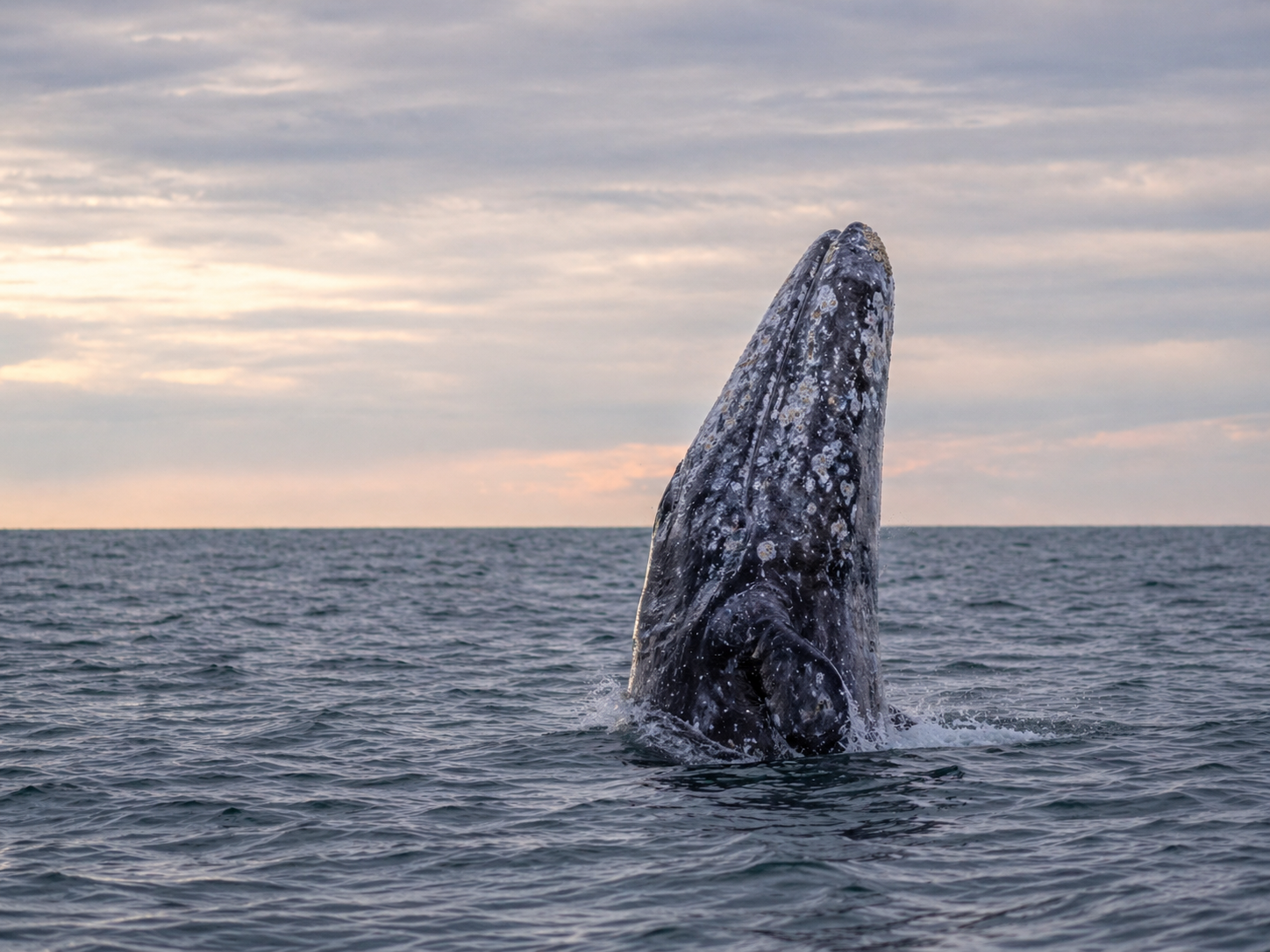
Steiner makes optics for the German military and has since 1947. The Military-Marine 8×30 is their most accessible serious model, and for non-military use it’s purpose-built for boats, kayaking, fishing, and whale watching, anywhere salt water and impacts are a real risk.
The Sports-Auto-Focus system is the Steiner signature: each eyepiece focuses individually once when you first set them, and after that, anything from 20 yards to infinity stays sharp without touching a focus wheel. For tracking moving subjects (a whale that surfaces and dives, a bird in flight, a ship on the horizon) this is meaningfully faster than fumbling with a center wheel.
Fully waterproof, with floating prisms that absorb shock from drops or boat impacts without losing alignment. The 8×30 spec is unusual; classic marine is 7×50. The advantage of 8×30 is half the weight (around 17 oz vs 36 oz for 7×50), making these comfortable for all-day handheld use.
Pros
- German military-spec build quality
- Sports-Auto-Focus for fast moving-subject tracking
- Floating prism shock absorption protects optical alignment
- Lightest serious marine binocular at 17 oz
- 10-year Heritage Warranty against manufacturing defects
Cons
- 30mm objective gathers less light than classic 7×50 marine spec
- No center-focus wheel takes adjustment if you’re used to one
Bushnell Explorer 10×42 Waterproof Binoculars
$57 for a waterproof 10×42 from a trusted brand. Good first binoculars.
Most binoculars under $60 are disposable. The Bushnell Explorer 10×42 is the exception: real waterproofing (handles rain and spray, though not full submersion), multi-coated optics, and the 10×42 spec that doubles for birding, hiking, hunting, and casual outdoor use.
Optical performance is mid-tier and there’s chromatic aberration visible at high-contrast edges (a bright bird against an overcast sky shows a bit of color fringing). Edge softening is more pronounced than premium picks. For most casual viewing, neither matters; for serious birding or wildlife, you’ll want to upgrade eventually.
If this is your first pair of binoculars, or a backup pair to keep in the car, or something you’re buying for a kid who’ll likely lose them, this is the right buy. The 4.6 rating across 103 reviews is solid for the price tier.
Pros
- Cheapest pair on the page at $57
- Real waterproofing (not just water-resistant)
- Versatile 10×42 spec for any general outdoor use
- Trusted Bushnell brand for service network access
- Lightweight and durable enough for daily abuse
Cons
- Mid-tier optics with visible chromatic aberration
- Build quality is utilitarian; not for serious users
Comparison Table
All ten picks at a glance. Sortable mentally by the column that matters most to you: spec, rating, price, or use case.
| Binoculars | Config | Rating | Price | Best For | Buy |
|---|---|---|---|---|---|
| Vortex Diamondback HD 10×42 | 10×42 | 4.8★ | $249.00 | Best Overall | Amazon |
| Vortex Viper HD 8×42 | 8×42 | 4.8★ | $489.00 | Best Premium | Amazon |
| Zeiss Conquest HD 8×42 | 8×42 | 4.8★ | $1,499.99 | Best Luxury | Amazon |
| Nikon Monarch 5 8×42 | 8×42 | 4.7★ | $296.00 | Best for Birding | Amazon |
| Bushnell Trophy XLT 10×42 (w/ Harness) | 10×42 | 4.7★ | $69.90 | Best for Hunting | Amazon |
| Nikon ACULON A211 10-22×50 | 10-22×50 | 4.6★ | $169.95 | Best Zoom | Amazon |
| Celestron SkyMaster 15×70 | 15×70 | 4.5★ | $89.99 | Best for Astronomy | Amazon |
| Nikon PROSTAFF P3 10×30 | 10×30 | 4.7★ | $156.95 | Best Compact | Amazon |
| Steiner Military-Marine 8×30 | 8×30 | 4.7★ | $219.81 | Best Marine | Amazon |
| Bushnell Explorer 10×42 Waterproof | 10×42 | 4.6★ | $56.88 | Best Budget | Amazon |
How to Choose the Right Pair for You
If the choice still feels overwhelming, here’s the short version, organized by what you’re optimizing for.
You don’t know what you need yet
Vortex Diamondback HD 10×42. The default answer with 10,000+ reviews.
You’re a serious birder
Nikon Monarch 5 or Vortex Viper HD in 8×42.
You’re hunting
Bushnell Trophy XLT 10×42 bundle. Includes harness for $70.
You’re stargazing
Celestron SkyMaster 15×70. Tripod required, but Jupiter’s moons are visible.
You’re traveling light
Nikon PROSTAFF P3 10×30. Compact, waterproof, daypack-friendly.
Money is no object
Zeiss Conquest HD 8×42. German optics, lifelong purchase.
Frequently Asked Questions

Want a deeper dive on your specific use case?
This is the hub. For more specific recommendations on each use case, including additional picks beyond the ten reviewed here, see the dedicated guides below.