Birding in Oregon: Guides, Species and the Best Spots | Oregon Tails
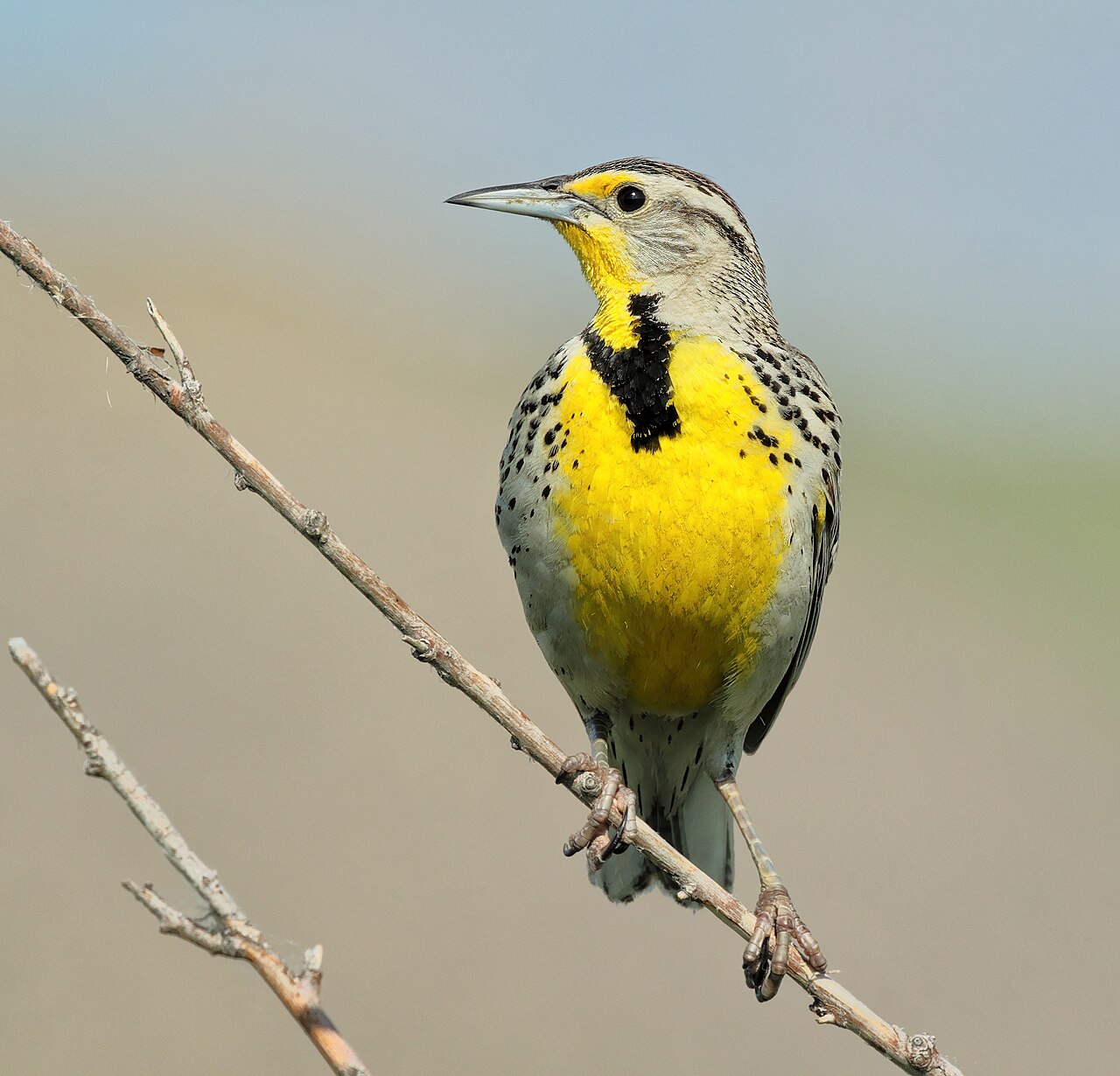
Western Meadowlark, Oregon state bird, perched on a branch
Oregon Tails

Birding in Oregon

Oregon is one of the most bird-rich states in the country. 547 species, five distinct habitats, and some of the best migration corridors in the West. Here is everything you need to explore it.

547 Species Recorded
#5 US Bird Diversity
120 Important Bird Areas

Why Oregon is a Birder’s State

Oregon ranks fifth in bird species diversity in the entire United States, behind only Florida, New Mexico, Texas, and California. What makes it exceptional is not any single site but the sheer variety of its habitats. Coastal rainforest, high desert, temperate wetlands, alpine meadows, sagebrush steppe, each supports a completely different bird community.

The state sits along the Pacific Flyway, one of four major North American migration corridors. In spring and fall, Oregon’s wetlands and refuges concentrate millions of birds moving between Alaska and Central America. It is a spectacular thing to witness and one of the most accessible wildlife experiences in the Pacific Northwest.

Pacific Flyway migration corridor Millions of birds pass through Oregon each spring and fall along one of North America’s busiest migration routes.
Year-round resident species Dozens of species stay in Oregon all year. You can start birding from your Portland backyard in January and find a dozen species before breakfast.
Five distinct habitats in one state Backyard, forest, wetland, coast, and eastern desert, each with its own bird community. No two Oregon birding trips look the same.
Birding Guides

Everything You Need to Get Started

Species Spotlight

Oregon Birds Worth Knowing

Western Meadowlark
Western Meadowlark
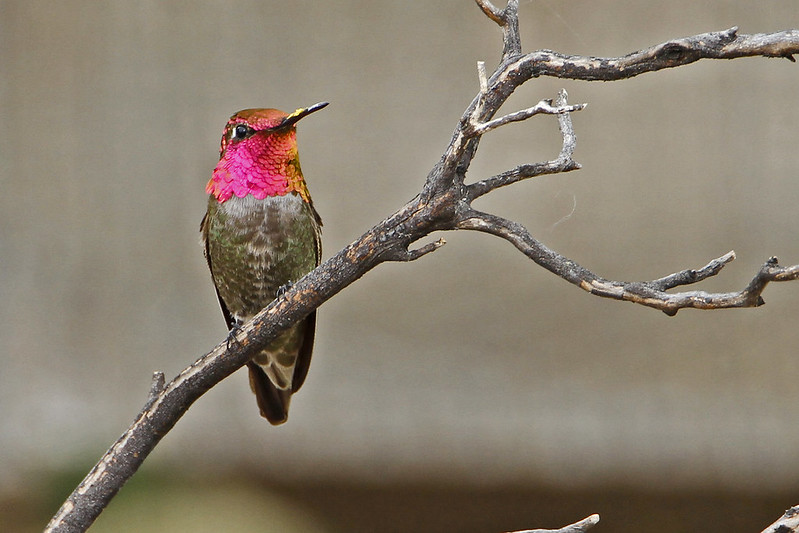
Anna's Hummingbird
Anna’s Hummingbird
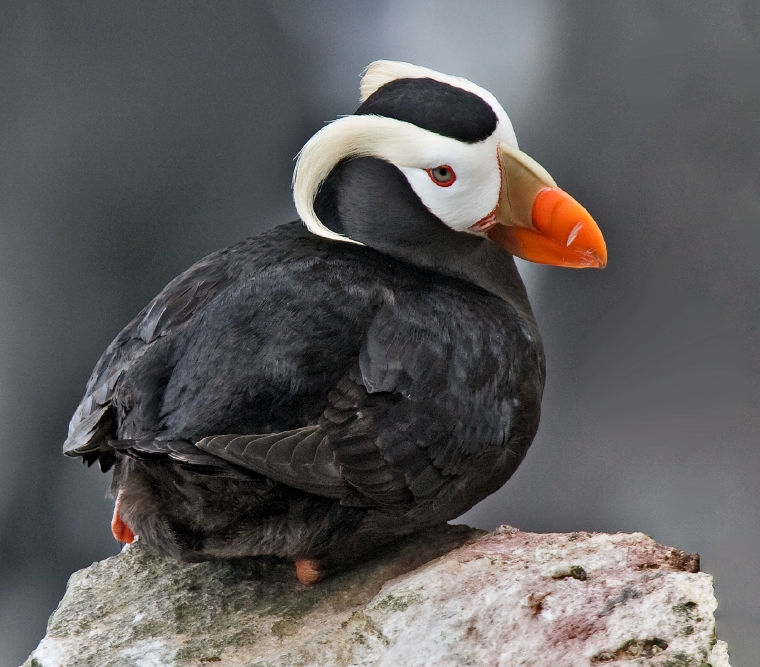
Tufted Puffin
Tufted Puffin
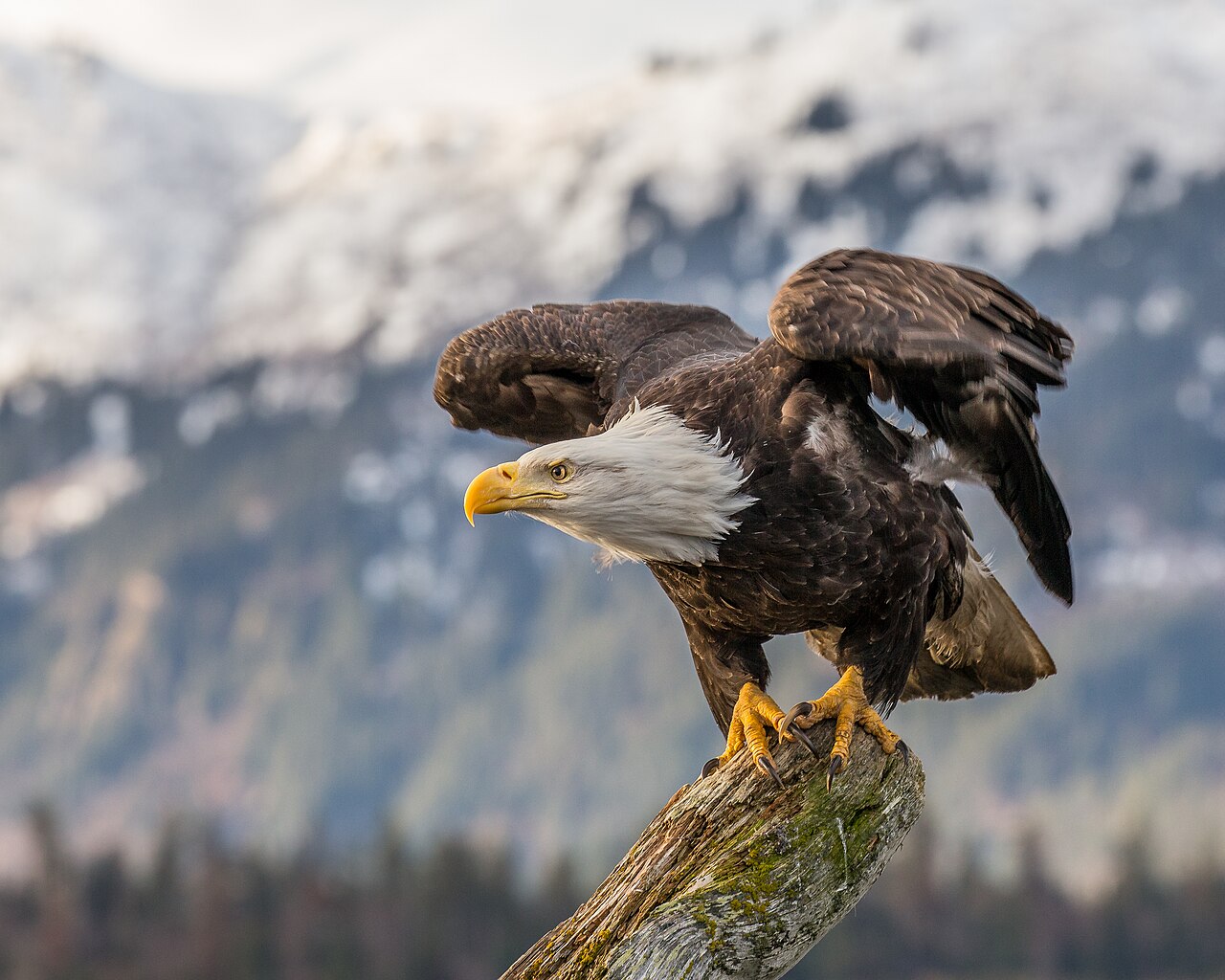
Bald Eagle
Bald Eagle
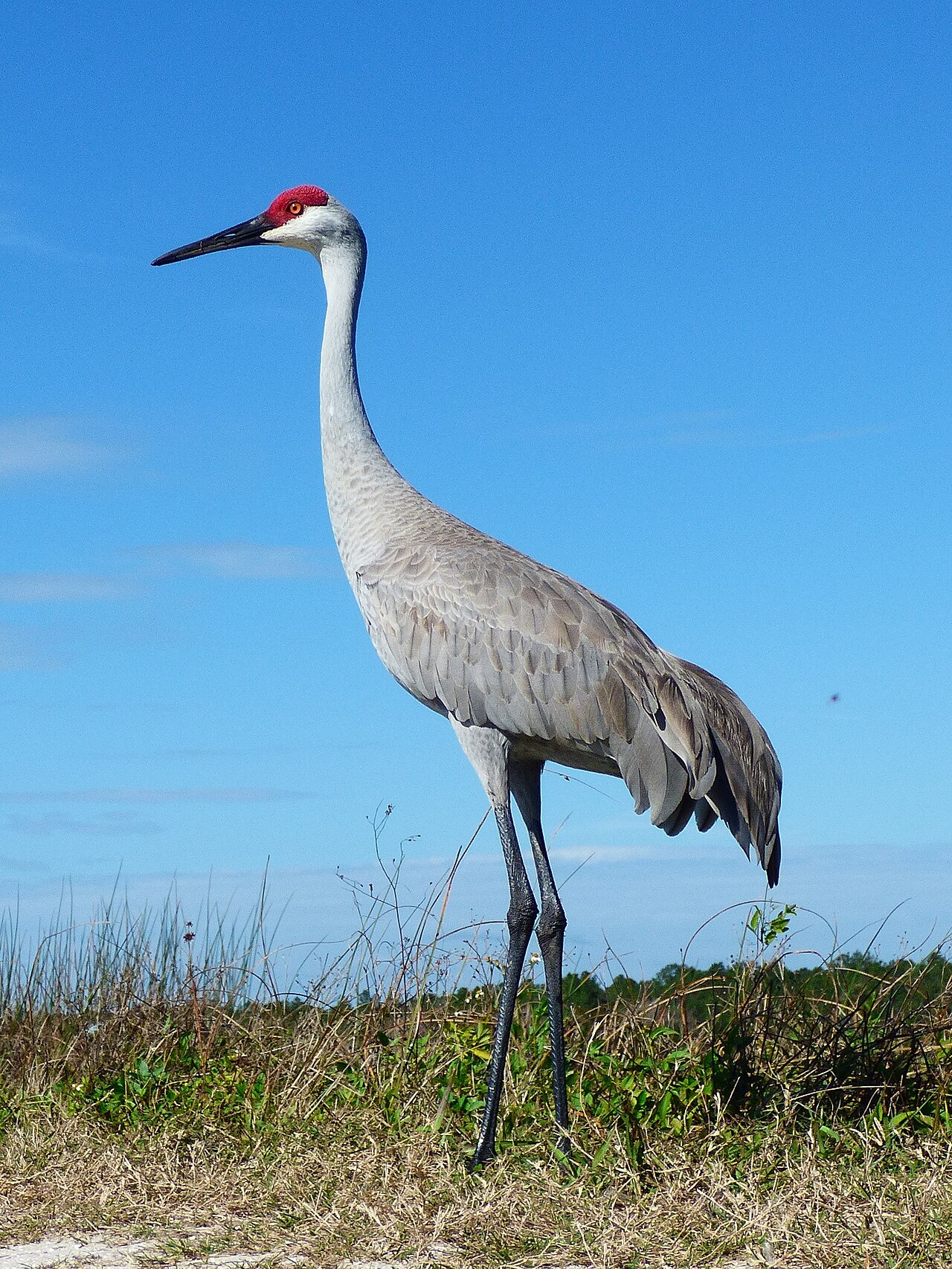
Sandhill Crane
Sandhill Crane
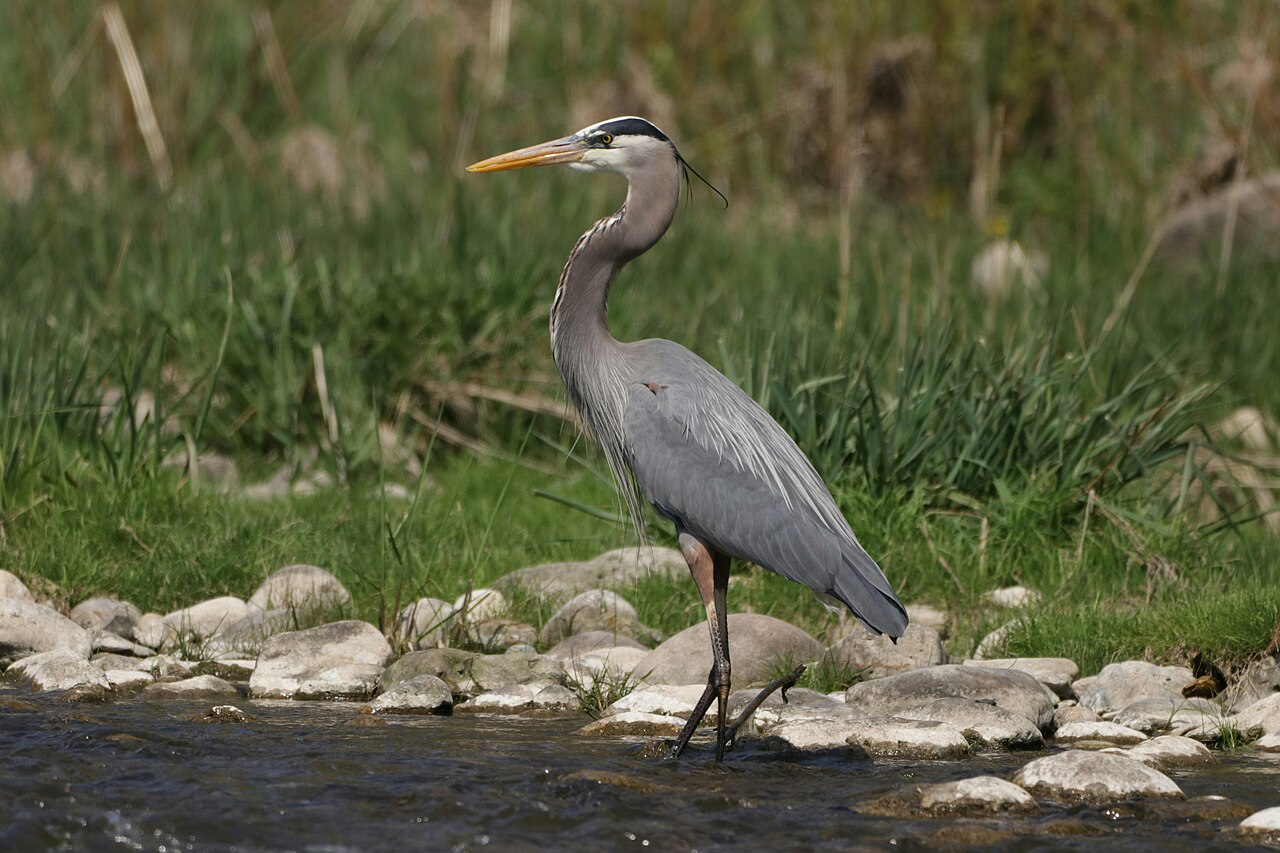
Great Blue Heron
Great Blue Heron
Pileated Woodpecker
Pileated Woodpecker
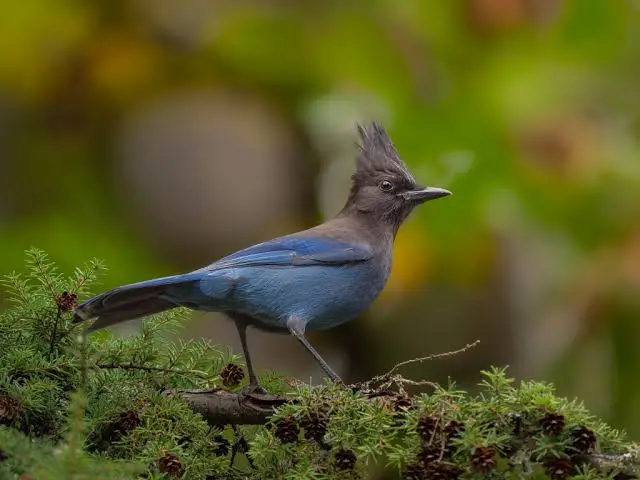
Steller's Jay
Steller’s Jay
Gear Guide

Find the Right Binoculars

The single most important piece of gear you will buy as a birder. We tested and reviewed 10 pairs at every price point, from $36 compact binoculars to the best mid-range glass on the market.

See our top picks
Common Questions

Oregon Birding FAQ

Malheur National Wildlife Refuge in southeastern Oregon is widely considered the best single birding destination in the state, with over 320 recorded species and extraordinary spring migration from late April through May. For birders based in the Portland area, Sauvie Island is the top local choice, with 250 or more species recorded annually and easy year-round access.
Several cities claim the title. Cape May, New Jersey is perhaps the most historically recognized, famous for fall raptor and warbler migration. Harlingen and McAllen in the Rio Grande Valley of Texas are strong contenders for species diversity. In the Pacific Northwest, Portland is an underrated birding city with easy access to Sauvie Island, Smith and Bybee Wetlands, and the Willamette Valley refuges all within an hour’s drive.
The 5 S’s of birding are Size, Shape, Sound, Search image, and Surroundings. Size helps you place a bird in a rough category. Shape narrows it to a family or group. Sound is often the most reliable identifier once you have some experience. Search image means building a mental picture of what to look for. Surroundings, meaning habitat and location, eliminates many possibilities before you even raise your binoculars.
The Blue Rock Thrush is considered the rarest bird ever recorded in Oregon and the first accepted sighting in the United States. A male was photographed at Hug Point State Park on the Oregon coast in April 2024, likely a Pacific crossing vagrant from Asia or Europe. Other extremely rare Oregon records include the Brambling and Northern Wheatear.