How to Start Bird Watching
You already live in one of the best states in the country for it. Here is everything you need to get started, from the right binoculars to your first field ID.
Why Bird Watching?
Bird watching is one of the most accessible outdoor hobbies you can start today. No fitness prerequisite, no expensive lessons, no permit required. You can begin in your backyard before your morning coffee gets cold, or at a local park on your lunch break.
Oregon makes this especially easy. The state hosts over 500 bird species across habitats that range from coastal headlands to high desert to temperate rainforest. Resident species give you something to watch year-round, while two major migratory flyways bring visitors through in spring and fall that you will not see anywhere else in the country.
What keeps people coming back is simpler than any of that: the moment you spot a bird you have never seen before and know exactly what it is. That satisfaction does not get old.
What Gear Do You Actually Need?
The short answer: binoculars, a field guide or app, and clothes you do not mind getting dirty. That is the entire list for a first outing.
Binoculars
Your binoculars are the single most important investment you will make as a birder. The wrong pair, whether too powerful, too dim, or too cheap to hold a steady image, is the most common reason beginners give up in frustration.
The gold standard for birding is an 8×42 binocular. The 8x magnification gives you a wide field of view and a bright image that is easy to hold steady. The 42mm objective lens gathers enough light for dawn chorus outings and shaded forest trails.
Budget guidance: under $150 the Celestron Nature DX is a reliable starting point. In the $150–$230 range, the Vortex Diamondback HD and Athlon Midas UHD are both excellent. Above $250, Nikon Monarch glass holds up for a decade of hard use.
Field Guide or App
Merlin Bird ID by the Cornell Lab of Ornithology is the best free tool for beginners. It identifies birds from a photo, a written description, or by listening to bird calls in real time through your phone’s microphone. Download the Pacific Northwest bird pack to make it work offline.
eBird, also free from Cornell, lets you log every bird you see and explore recent sightings near any location. When you are trying to decide where to go, the eBird hotspot map is the most useful tool in Oregon birding.
For a physical field guide, the Sibley Guide to Birds or National Geographic Field Guide to the Birds of North America are both excellent.
What Else?
Comfortable, quiet clothing in neutral colors. Sturdy shoes that can handle wet trails. A small notebook if you want to keep a life list. That is genuinely everything.
How to Identify Birds
Most beginners go straight to color, which is actually one of the least reliable clues. Lighting, season, age, and sex all change a bird’s colors. Start here instead, working through these eight clues in order.
Group / Family
Is it a sparrow-type, a duck, a hawk, a shorebird? Narrowing to the family cuts hundreds of species down to dozens immediately.
Shape
Bill shape, tail length, neck thickness, leg height. Even similar species often differ enough in silhouette to tell apart before you raise your binoculars.
Size
Compare to a known species nearby. Sparrow-sized? Robin-sized? Crow-sized? Rough sizing narrows your options fast.
Behavior
Is it hopping on the ground, creeping up a tree trunk, diving into water, hovering? What a bird does often identifies it as reliably as what it looks like.
Habitat
A bird in a cattail marsh is a different candidate than one in old-growth forest. Habitat expectations are a powerful filter.
Season
Many species are present only at certain times of year. A rusty-capped sparrow in summer is likely a Chipping Sparrow; in winter, an American Tree Sparrow.
Field Marks
Eye rings, wing bars, crown stripes, tail patterns. These specific markings confirm an ID after you have narrowed your options.
Voice
Bird song is one of the most reliable identifiers once you have some experience. Merlin’s Sound ID feature lets you cheat beautifully as a beginner.
Once you have worked through those clues, then look at color. With practice you will run through all eight in seconds without thinking about it.
8 Birds Every Oregon Beginner Should Know
These are the birds you will encounter first, most often, and with the least effort across the Portland metro and the broader Willamette Valley.
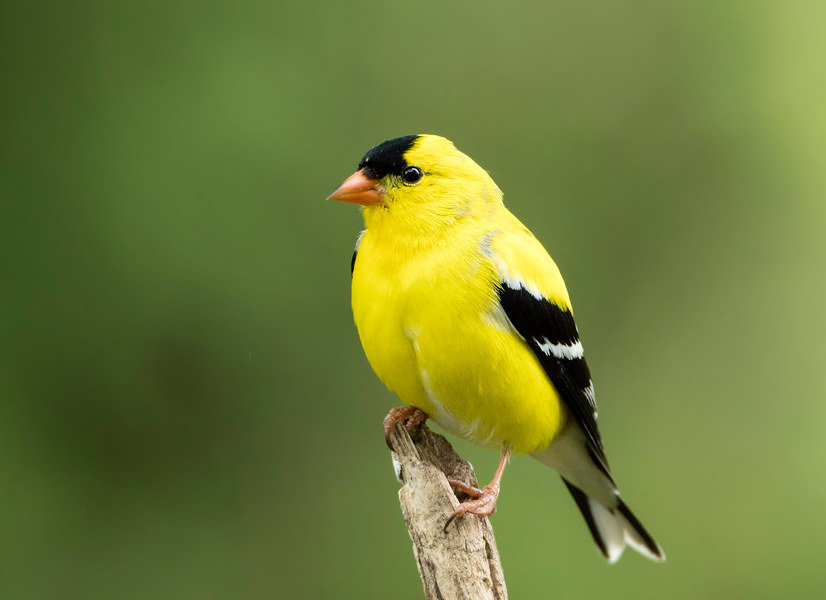
American Goldfinch
Brilliant yellow in summer, olive-drab in winter. Attracted to sunflower feeders and thistle.
Backyard / Parks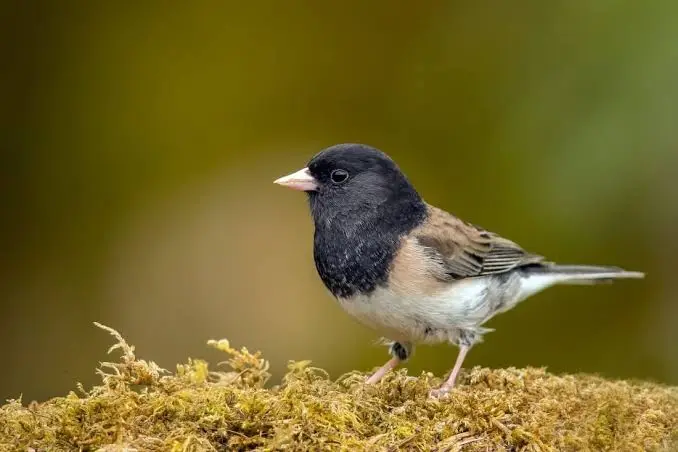
Dark-eyed Junco
Small slate-grey birds with white outer tail feathers. One of the most abundant birds in North America. Year-round resident.
Forest / Backyard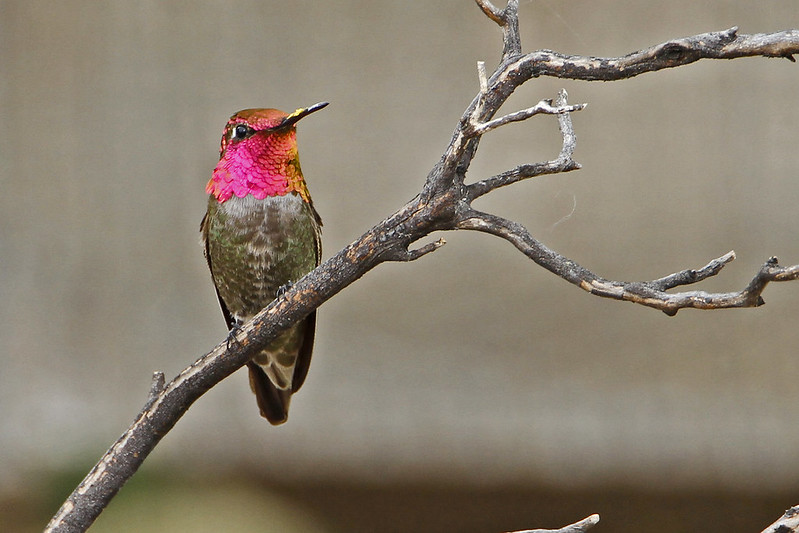
Anna’s Hummingbird
The only hummingbird you will see in Portland year-round. Males have a vivid magenta head and throat.
Gardens / Backyard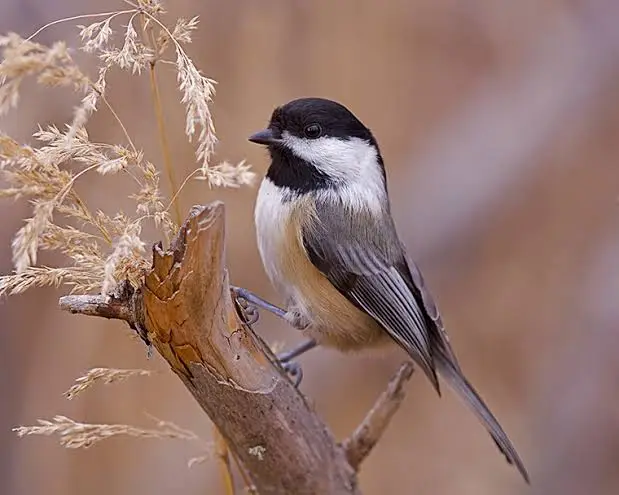
Black-capped Chickadee
Tiny, bold, and curious. Their “chick-a-dee-dee-dee” call identifies them immediately.
Widespread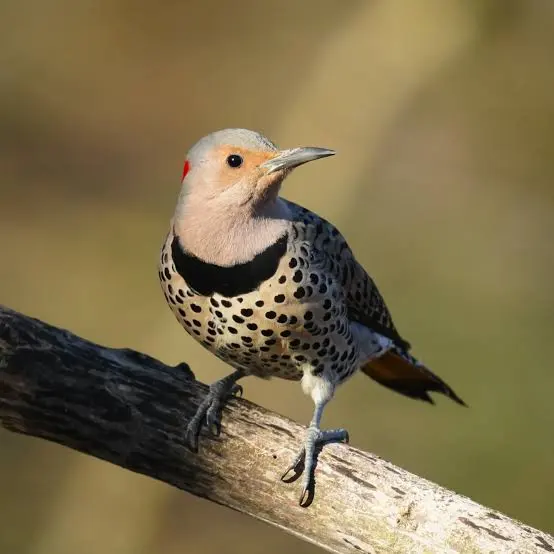
Northern Flicker
A woodpecker that forages on the ground for ants. Males have a red “mustache.” More likely spotted in your lawn than in a tree.
Parks / Lawns
American Robin
Orange-red breast, dark back. Look for them tugging earthworms from lawns in the morning.
Lawns / Parks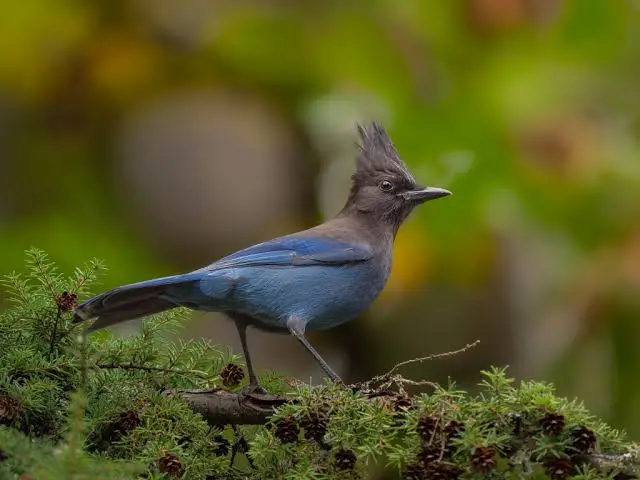
Steller’s Jay
The Pacific Northwest’s loudest blue jay. Deep blue body with a black crest. Known to mimic hawks.
Forest / Campgrounds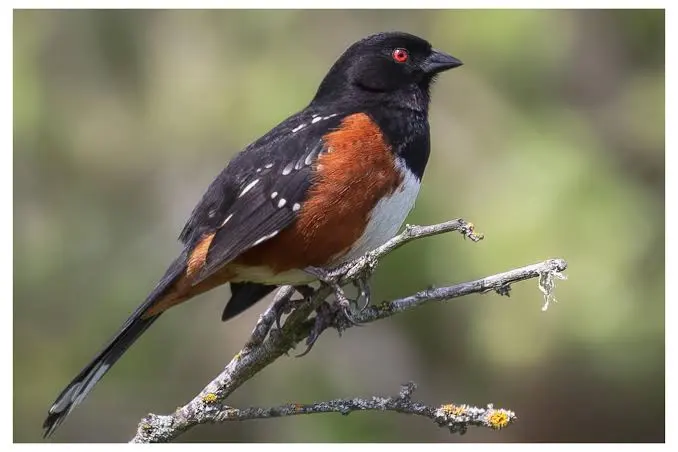
Spotted Towhee
Striking black, white, and rufous coloring. Scratches through leaf litter. Often heard before seen.
Shrubs / Forest edgeWant the full picture of Oregon’s bird diversity? See our guide to types of birds in Oregon covering species by habitat and region.
Where to Go Bird Watching in Oregon
Oregon rewards birders at every level, from city parks to some of the most productive birding sites in the entire western United States.
Portland Metro
Sauvie Island is the single best beginner destination in the Portland area. The wetlands, meadows, and oak savanna concentrate both resident species and migrants. Shorebirds peak in July and August; waterfowl are spectacular through winter.
Smith and Bybee Wetlands in North Portland is an underrated urban gem with walking trails through dense marsh that hosts Great Blue Herons, Sandhill Cranes, and Wood Ducks.
Powell Butte Nature Park in Southeast Portland offers grassland, forest edge, and orchard habitat in the city. Excellent for raptors and sparrows in migration.
Beyond the Valley
Malheur National Wildlife Refuge in southeastern Oregon is one of the premier birding destinations in the American West. Spring migration brings tens of thousands of birds through its marshes and fields.
Cape Meares and Boiler Bay on the Oregon coast deliver seabirds, murres, puffins (in season), Bald Eagles, and year-round Peregrine Falcons.
See our full guide with map: Best Birding Spots in OregonHow to Find Your Birding Community
Birding with experienced people is the fastest way to level up. Someone who has been watching Oregon birds for ten years will teach you more in a single morning than months of solo outings.
Bird Alliance of Oregon
Formerly Audubon Society of Portland. Offers regular guided walks, member events, and a wildlife care center. The best organized entry point for Portland-area birders.
Oregon Birding Association
Statewide group with field trips, a journal, and an email listserv where local birders share sightings. Good for connecting beyond Portland.
eBird Hotspots
Search any location on eBird to see what birds have been spotted recently, by whom, and when. The checklist feature lets you log your own sightings and track your life list.
Guided Field Trips
Most Audubon chapters offer free or low-cost beginner walks led by experienced local birders. No skill required. The single fastest way to learn ID in the field.
Christmas Bird Count
An annual citizen science event held each December. A great way to meet local birders and contribute real data.
Online Communities
Oregon birding Facebook groups and the BirdsOregon listserv are active communities where members post unusual sightings and answer ID questions from beginners.
Birding Tips for Your First Outing
- 1Go early, especially in spring and summerThe hour around sunrise is the most active time for most species. Birds are loud, hungry, and moving. Afternoons are comparatively quiet.
- 2Move slowly and stop oftenWalking at a normal pace flushes birds before you can see them. Short walks with frequent pauses consistently produce more sightings than long hikes.
- 3Listen before you lookMost birds are heard before they are seen. Stop, close your eyes, and inventory the sounds around you before scanning visually.
- 4Stay at habitat edgesThe boundary where two habitats meet concentrates birds from both environments. These edges are reliably the most productive spots.
- 5Do not worry about getting every IDMissing an ID is not failing. Even experienced birders leave birds unidentified. The goal of a first outing is to get comfortable with your binoculars.
- 6Write it down or log it in eBirdMemory is less reliable than you think. A simple note of species, location, and date is the start of a life list that you will come to value.