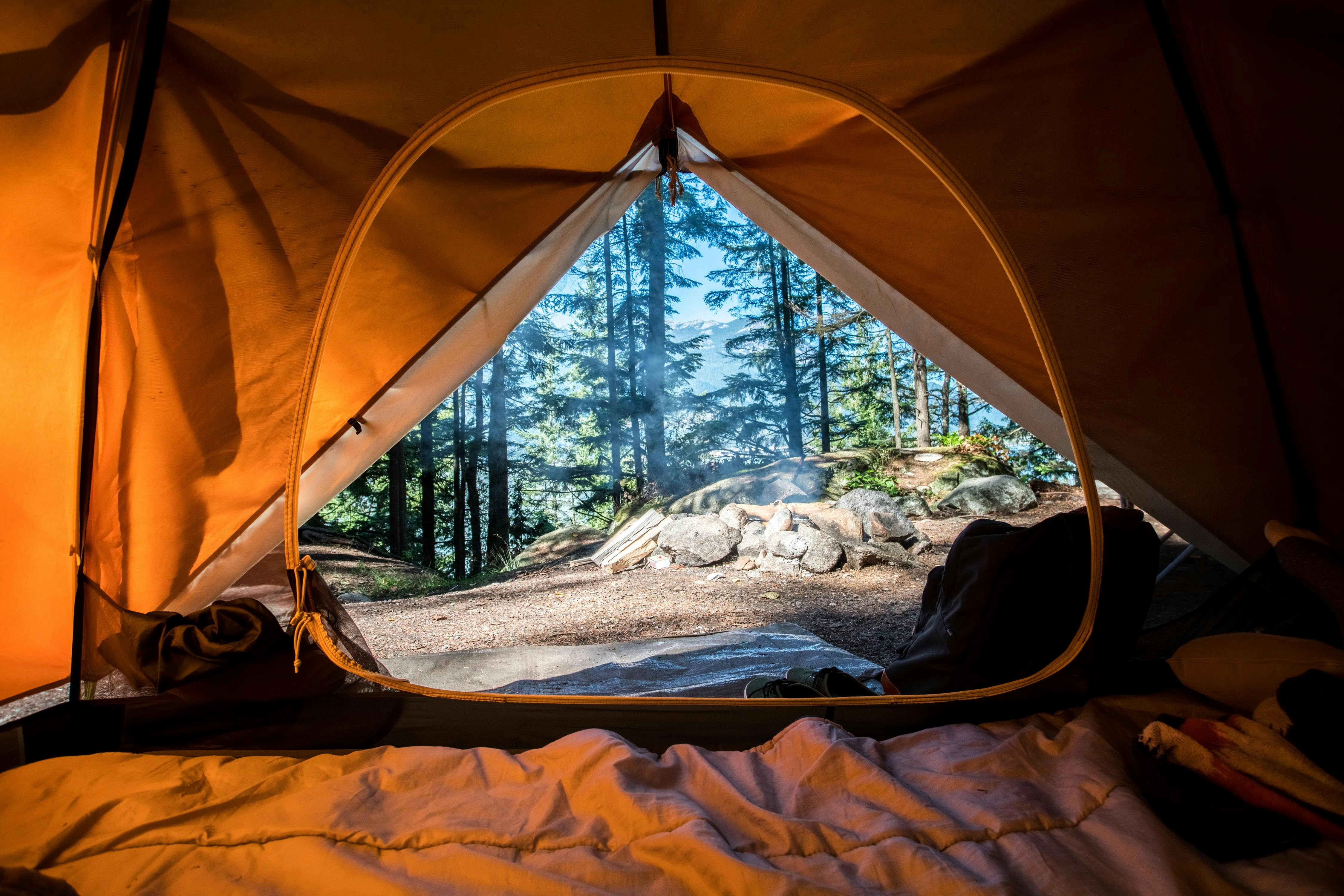
Camping in Oregon
Campground guides, sleeping bag and tent reviews, and trip planning know-how for car camping, backpacking overnights, and family trips across the state.
One of the most campable states in the country
Oregon has more designated campgrounds than almost any western state, spread across six distinct landscapes. The coast stays accessible year-round. The Cascades open from May and hit peak condition in summer. Eastern Oregon’s high desert is best in spring and fall. Wherever you go, the camping infrastructure is solid and the scenery is hard to beat.
The gear matters more than most campers expect. A sleeping bag rated for the wrong temperature or a tent that can’t handle Oregon’s notoriously variable weather will end a trip early. This hub covers the decisions that make the difference.
Everything You Need to Plan Your Trip

How to Choose a Sleeping Bag
Temperature ratings, down vs synthetic fill, EN testing standards, and fill power explained. A clear framework for matching a sleeping bag to your trip type, expected conditions, and budget.
Read the guide
How to Wash a Sleeping Bag
Front-loader only, down-specific detergent, tennis balls in the dryer. Step-by-step washing and drying for down and synthetic bags, and how to restore lost loft.
Read the guide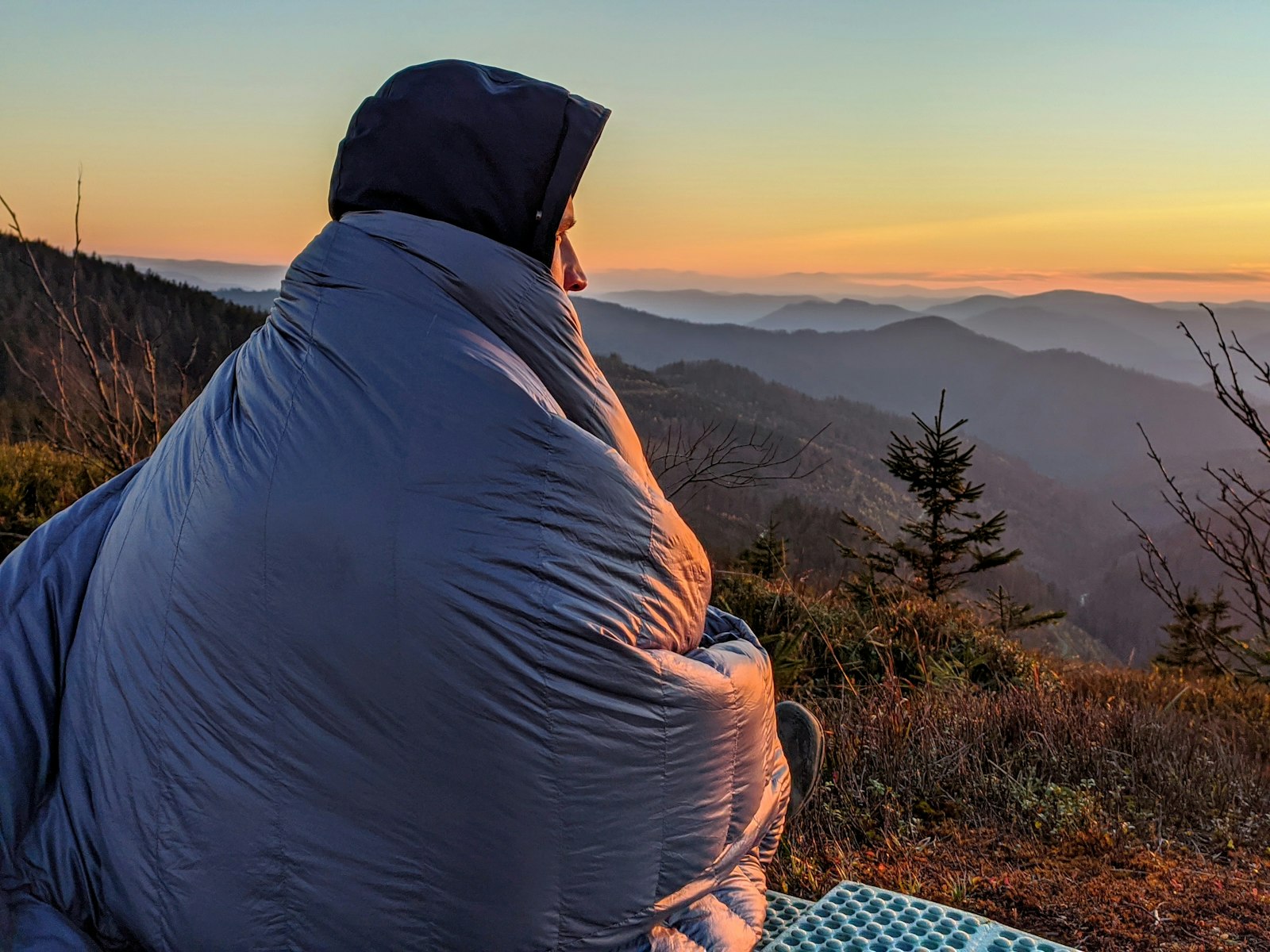
What Is a Sleeping Bag Liner?
What a liner does, how many degrees it adds, and whether silk or fleece makes more sense for your conditions. Plus when the extra weight is actually worth carrying.
Read the guide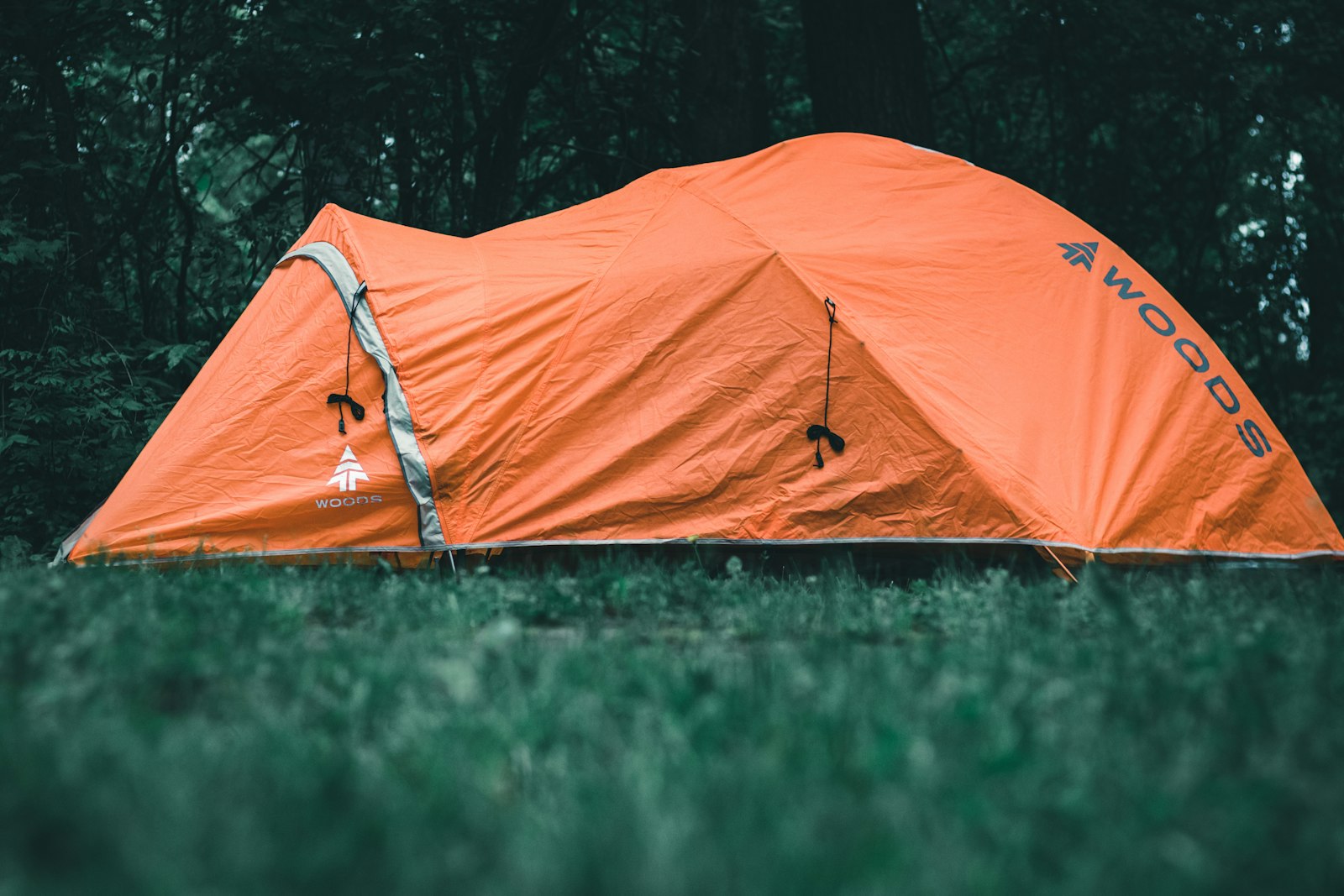
How to Insulate a Tent for Winter Camping
Tent placement, ground insulation, reducing interior volume, and the gear choices that matter more than any tent modification for staying warm when temperatures drop.
Read the guide
Tent Camping for Beginners
What gear you actually need, how to pick a campsite, what to eat, and how to not be miserable on night one. Includes a first-trip packing list for Oregon conditions.
Read the guide
Best Campgrounds in Oregon
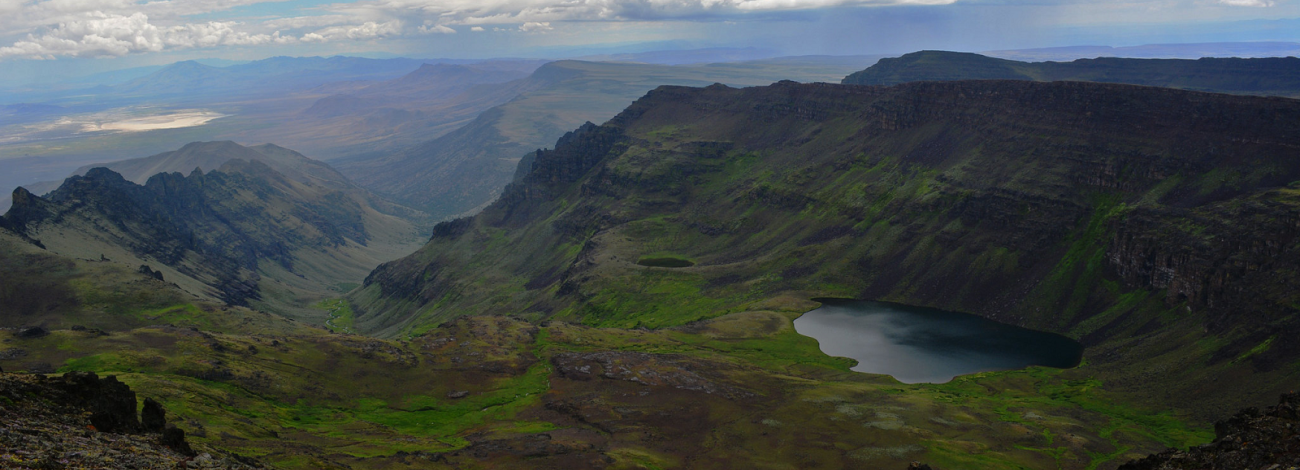
Top campgrounds by region, from coast beach sites and Crater Lake rim camping to Wallowa Lake and the Steens. Includes reservation tips and best-season notes for each.
View campgroundsPick Your Style
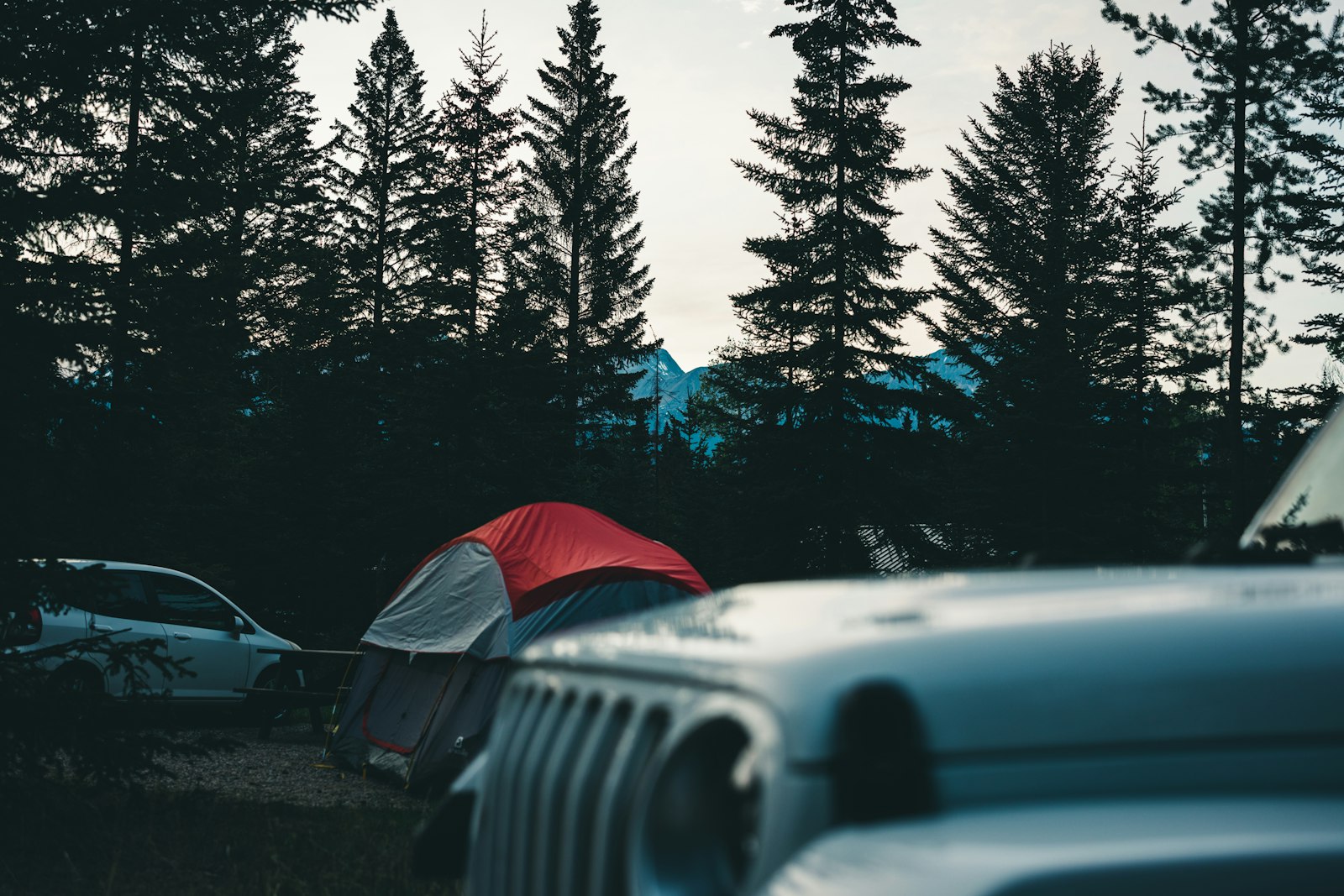
Drive-in Camping
Designated campgrounds, fire rings, and car access. The most accessible style for families and first-timers. Oregon State Parks are the best network.

Wilderness Camping
Pack everything in on your back and camp where roads don’t go. The Wallowas, Three Sisters, and Oregon Coast Trail offer the best routes.
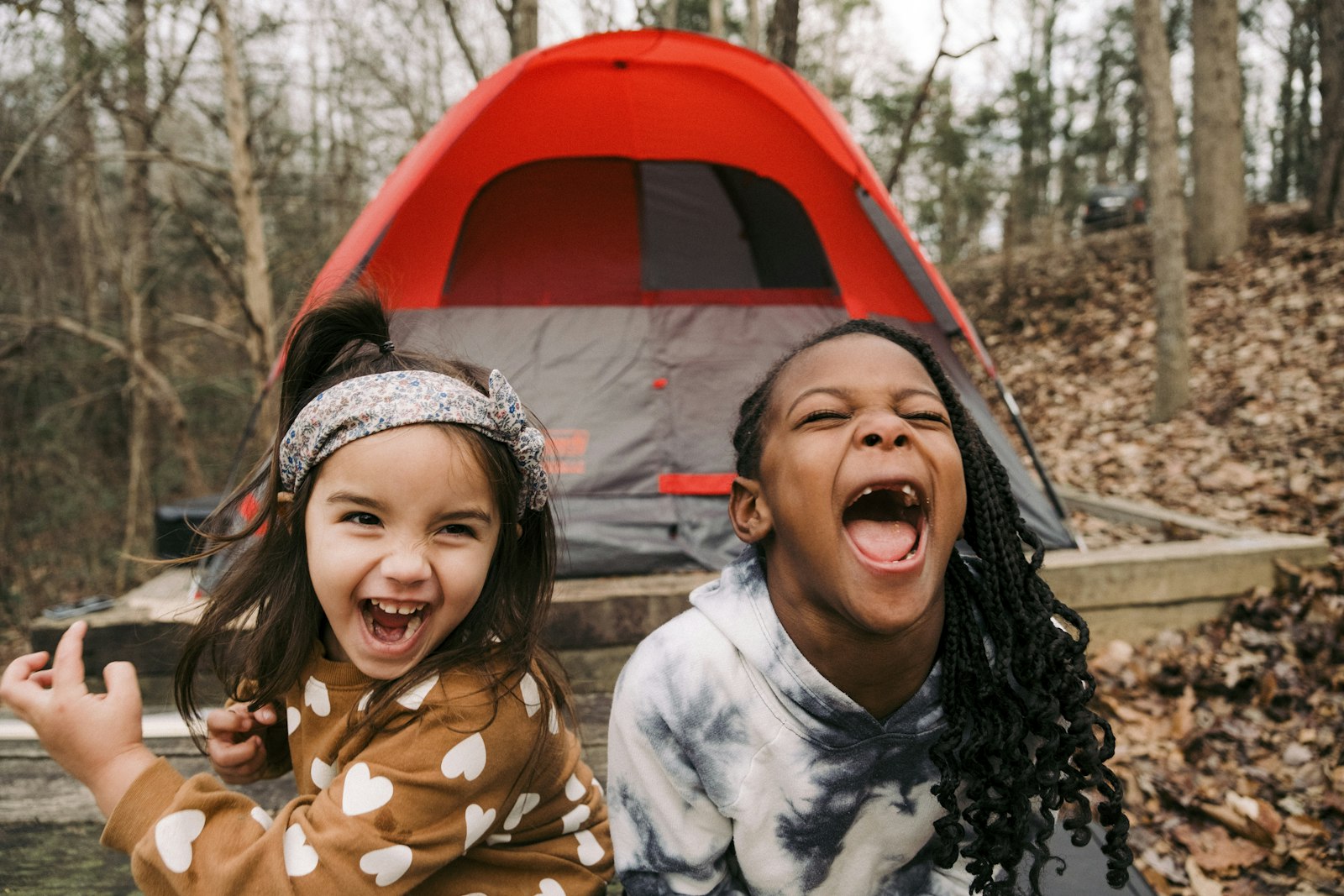
Group and Family Sites
Larger sites with room for multiple tents. Oregon State Parks have the best family infrastructure, with flush toilets and playgrounds at many locations.
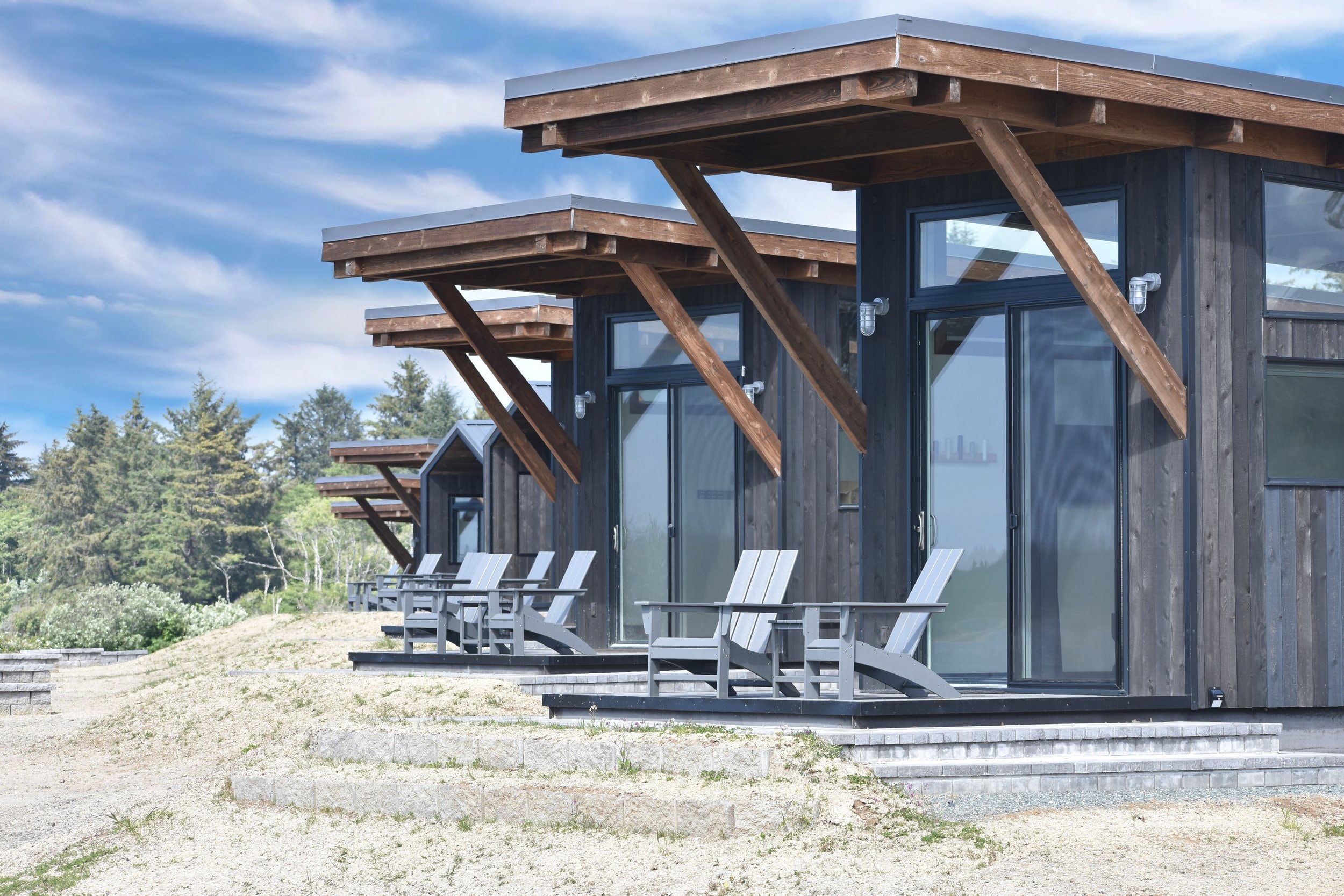
Luxury Camping
Furnished tents, yurts, and cabins with beds and heat. A growing option across Oregon, especially on the coast and in the Willamette Valley wine country.
Find a Campground Anywhere in Oregon
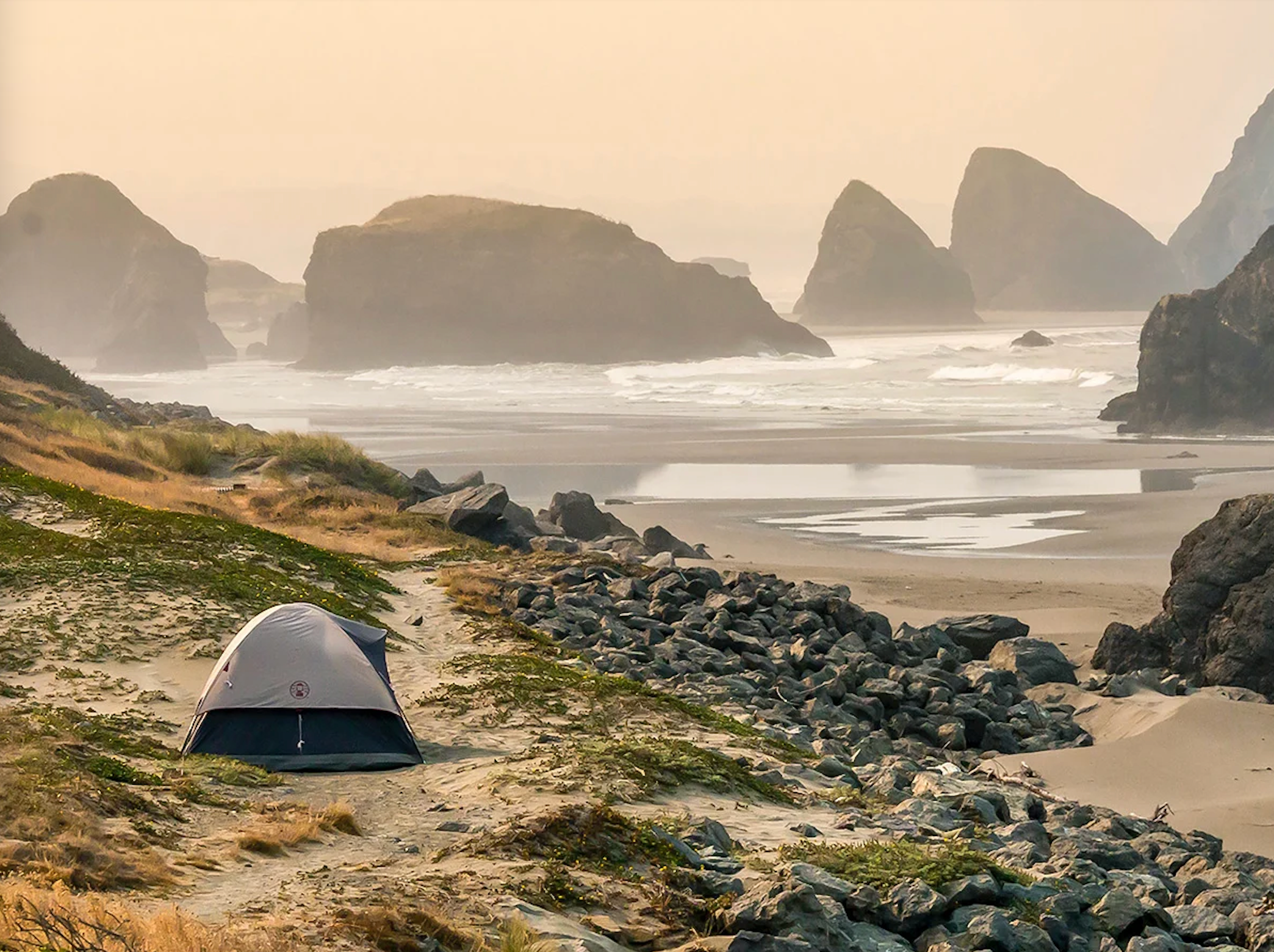


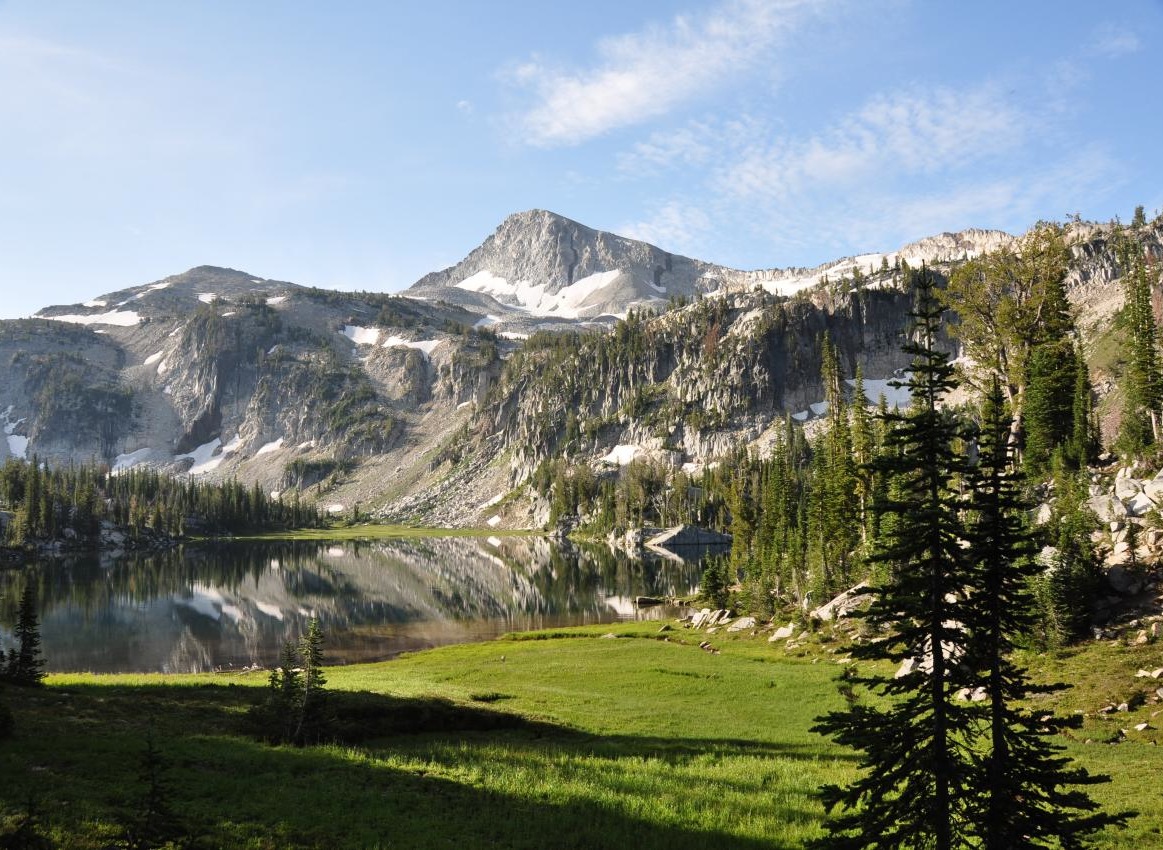

Sleeping bags and tents tested for Oregon conditions
Sleeping bags rated for Oregon’s overnight lows, tents tested in Pacific Northwest rain, and headlamps for the trail back to camp after dark.