Which Garmin Watch Is Right for Me? (2026 Buyer’s Guide) | Oregon Tails
Hiking tech explained
Which Garmin Watch Is Right for Me?
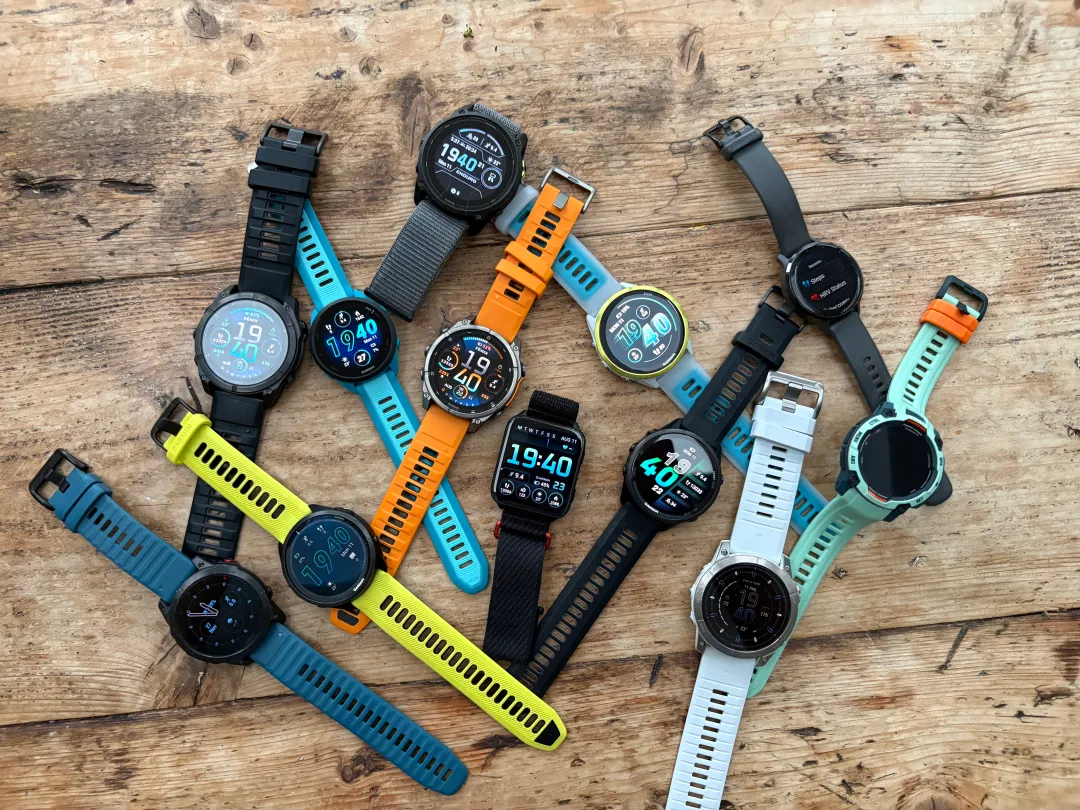
Garmin makes more than 50 watch models across six series. Most of them are excellent. The question isn’t which one is best, it’s which one matches how you actually hike, what you’ll spend, and whether you need a full smartwatch or just a trail navigator.
The question of Which Garmin Watch Is Right for Me gets asked thousands of times a month, and the answers online are mostly unhelpful because they either treat every model equivalently or push readers toward the most expensive option. Garmin is not actually a confusing brand once you understand what each series is designed for. The confusion comes from the overlap: almost every current Garmin watch has GPS, altimeter, barometer, and compass built in. The differences that matter for trail use come down to battery life, map quality, display readability in sunlight, and how well the watch survives the physical punishment of backcountry hiking.
This guide skips the full spec sheets and focuses on the decision. If you want ranked picks with specific model comparisons, our guide to the best smartwatches for hiking covers the top models across every category. For anyone who has already decided on Garmin and is trying to figure out which series fits, this is the right place to start.
1. What Actually Matters for Hiking
Battery life is the spec that determines whether a Garmin is genuinely useful for hiking or just a nice-to-have. A watch that dies on day two of a four-day route is worse than no watch at all because you were relying on it. Most consumer smartwatches (Apple Watch, Samsung Galaxy Watch, Pixel Watch) have GPS battery lives of 12 to 18 hours in active tracking mode. The Garmin Instinct 2 gets 30 hours in GPS mode and up to 145 hours in battery saver mode. The Fenix 8 gets 90 hours in GPS mode. For Oregon’s multi-day routes in the Cascades or the Wallowas, that difference is not marginal.
The second thing that matters is topographic mapping. There is a meaningful difference between a watch that shows your GPS dot moving across a simple route line and one that shows a full topographic map with trail names, elevation contours, and waypoints. All current Garmin watches have the former. Only the Fenix, Epix, and MARQ series have the latter built in with preloaded topo maps for the US. The Instinct 2 has navigation and routing but uses a simpler display without a color topo map.
Display readability in sunlight rounds out the short list. AMOLED displays look stunning indoors but wash out in direct Oregon summer sun. Garmin’s MIP (memory-in-pixel) displays on the Instinct and many Fenix models are specifically designed for outdoor readability: they become more readable the brighter the ambient light gets, which is the opposite of how most phone and watch screens behave.
The three specs that actually matter for hiking are battery life, map quality, and display readability in sunlight. Every other feature (heart rate accuracy, sleep tracking, smartphone notifications) matters equally across the whole Garmin lineup and is not a reason to choose one series over another.
2. The Garmin Series Explained
Garmin currently sells six main watch series relevant to hikers. Here is what each one is actually for, without the marketing language.
Figure 1: Series Overview
Every current Garmin hiking-relevant series at a glance
Best Value
Instinct 2 / 2 Solar
$300 to $430
Garmin’s purpose-built outdoor watch. MIL-STD-810 rated, transflective display, 28-day smartwatch battery or unlimited solar. Full navigation without the Fenix price.
Best for: hikers who want serious trail capability at an accessible price
Premium
Fenix 8 / 8 Solar
$700 to $1,100
Garmin’s flagship outdoor watch. Full color topo maps, AMOLED or MIP display option, 90-hour GPS battery, dive-rated, built-in flashlight on select models.
Best for: serious backcountry hikers who also want a capable daily smartwatch
Running + Hiking
Forerunner 965
$550 to $600
Garmin’s top running watch with full trail capability added. Color AMOLED, 31-hour GPS battery, topo maps, and the best running metrics in the lineup.
Best for: runners who also hike and don’t want to compromise on either
Premium
Epix Pro (Gen 2)
$650 to $950
AMOLED Fenix. Same hardware as the Fenix 8 but with a brighter display optimized for indoor use. 31 to 89 hours GPS depending on size. Slightly less outdoor-oriented than Fenix.
Best for: hikers who also want the best indoor smartwatch experience
Mid-Range
Forerunner 265
$350 to $400
Entry-level color Garmin with AMOLED display. 20-hour GPS battery, basic navigation (no preloaded topo maps), strong health tracking. Good daily watch, limited for serious trail use.
Best for: casual hikers who prioritize fitness tracking and daily wear over trail depth
Entry
Instinct Crossover
$350 to $450
Instinct with analog hands added. Hybrid design for those who want a traditional watch look. Same trail capability as the Instinct 2 but heavier and thicker.
Best for: people who want Instinct trail features but prefer an analog watch aesthetic
Prices are approximate street prices as of 2026. The Fenix and Epix lines have multiple size and material variants (aluminum vs titanium vs sapphire glass) that affect price significantly within each series. When answering Which Garmin Watch Is Right for Me, start with use case first and size/material second.
What about the Garmin Vivoactive and Venu series?
The Vivoactive and Venu are Garmin’s lifestyle and fitness-focused watches. They have GPS and basic health tracking, but they are designed for gym workouts, daily step counting, and casual use. Battery life in GPS mode is typically 12 to 18 hours, they lack topographic mapping, and they are not built to the durability standards of the Instinct or Fenix. For a day hike where you’re back at the car by 5 PM, they work fine. For anything more serious, they’re the wrong tool.
3. Side-by-Side Comparison
Series
GPS Battery
Topo Maps
Display
Price Range
Instinct 2 Solar
Unlimited (solar)
Navigation only
MIP transflective
$400 to $430
Fenix 8 (47mm)
90 hours
Full color topo
MIP or AMOLED
$700 to $900
Fenix 8 Solar (51mm)
180 hours
Full color topo
MIP + solar
$900 to $1,100
Epix Pro Gen 2 (47mm)
89 hours
Full color topo
AMOLED
$700 to $900
Forerunner 965
31 hours
Full color topo
AMOLED
$550 to $600
Forerunner 265
20 hours
Route only
AMOLED
$350 to $400
Instinct 2 Standard
30 hours
Navigation only
MIP transflective
$300 to $350
Apple Watch Ultra 2
36 hours
Basic trail maps
LTPO OLED
$799
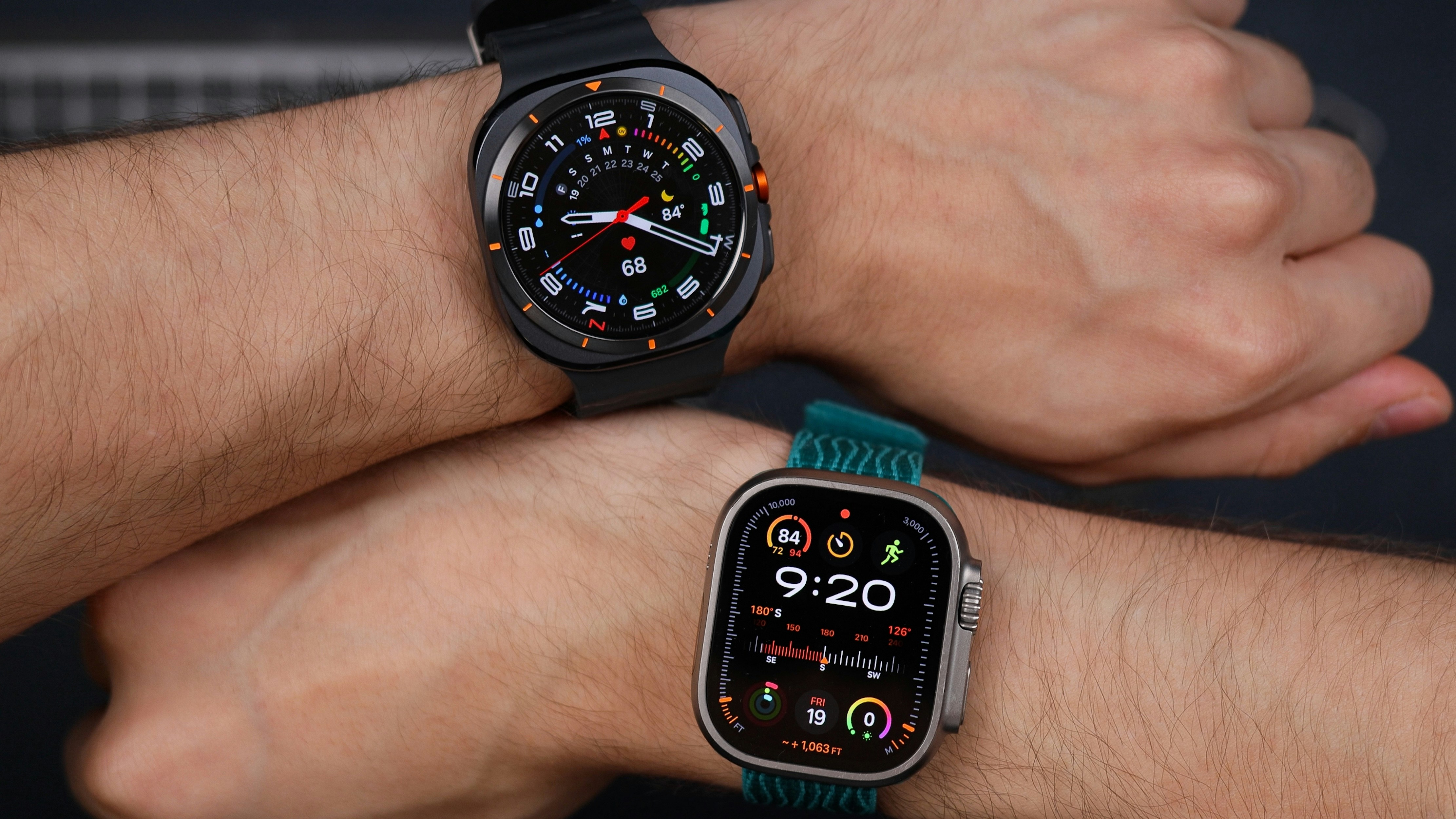
The Apple Watch Ultra 2 is included for context since it frequently comes up in this comparison. Its 36-hour GPS battery is competitive with the Instinct 2 Standard, and it does have offline trail maps through the Gaia GPS app. But GPS track accuracy on sustained hiking, particularly in dense tree cover, is noticeably inferior to Garmin hardware, and the display washes out in direct sun. For day hiking it is adequate. For anything multi-day or technical, the comparison stops being close.
4. Which Garmin Watch Is Right for Me? Match Your Use Case
Most people fall into one of these categories. Find yours and the answer to Which Garmin Watch Is Right for Me becomes straightforward.
Weekend day hiker, mostly Oregon state parks and front country trails
Want GPS tracking, basic navigation, and something rugged. Don’t need color maps.
Instinct 2 Standard
Backpacker doing 3 to 7 night routes in the Cascades or Wallowas
Need multi-day battery, reliable GPS, and confidence the watch will last the trip.
Instinct 2 Solar
Trail runner who also does backpacking trips
Need the best running metrics Garmin offers, plus trail capability for longer trips.
Forerunner 965
Serious hiker who wants full topo maps and the best GPS hardware available
Will use the watch as a primary navigation tool. Multi-day capability is non-negotiable.
Fenix 8 (47mm or 51mm Solar)
Hiker who also wears the watch to the office and wants it to look the part
Trail performance matters but so does daily aesthetics. Full smartwatch features required.
Epix Pro Gen 2
Casual hiker upgrading from Apple Watch, first serious GPS watch
Wants a clear upgrade in trail capability without spending Fenix money.
Instinct 2 Standard
Don’t overbuy based on aspirational use. If you currently do day hikes and occasional overnights, the Instinct 2 Solar covers every scenario you’re likely to encounter for years. The Fenix earns its cost for people who already do multi-day technical routes regularly. Buying a Fenix because you might someday do a long route is a common and expensive mistake.
5. Does It Work with iPhone?
Yes, fully. Every current Garmin watch pairs with iPhone via the Garmin Connect app on iOS. You get phone call and text notifications on the watch, weather data, music syncing to the watch’s onboard storage (on models with storage), live tracking that lets contacts follow your route in real time, and incident detection that automatically sends your GPS coordinates to emergency contacts if the watch detects a fall or impact.
The one genuine limitation with iPhone is Garmin Pay. The contactless payment feature on Garmin watches has more limited bank support on iOS than on Android, and some banks that work with Android are not supported on iPhone. If Garmin Pay is important to you, check Garmin’s bank compatibility list before purchasing. For trail use, this limitation is irrelevant.
Garmin does not require an iPhone or any phone connection for the watch’s core functions. GPS navigation, track recording, weather data (when you have a phone connection to sync), and health tracking all work independently on the watch itself. The phone is needed for initial setup, map syncing, and accessing your activity history through the app.
It depends on how you use it. For casual hiking and everyday wear, the Instinct 2 is the best starting point: rugged, affordable, and purpose-built for outdoor navigation. For multi-sport athletes who also hike, the Forerunner 965 covers everything without the premium price of the Fenix. For serious backcountry use, long routes, or anyone who wants the best GPS accuracy and battery life available, the Fenix 8 or Epix Pro is the right choice. Apple Watch is not recommended for serious hiking: it lacks topographic mapping, has short battery life, and GPS accuracy on trail is significantly worse than any Garmin.
For most hikers, the Garmin Instinct 2 or Instinct 2 Solar is the right answer. It has genuine topographic navigation, a 28-day battery life (unlimited with the Solar model in good light), and is built to MIL-STD-810 military durability standards. If you want a color map display and more refined smartwatch features alongside trail capability, step up to the Fenix 8 series. The Forerunner series is optimized for running and multisport, so it works for hiking but is not the best choice if hiking is your primary use.
The Instinct is Garmin’s rugged, purpose-built outdoor watch at a more accessible price. It has a transflective display that is extremely readable in sunlight, excellent battery life, and full navigation. The Fenix is Garmin’s premium line: it adds a full-color topo map display, better smartwatch features including music, contactless payments, more third-party apps, and higher-grade build materials. The Fenix costs significantly more. For pure trail use, the Instinct performs almost identically. The Fenix earns its premium for anyone who also wants a capable everyday smartwatch.
Yes. All current Garmin watches are compatible with both iPhone and Android via the Garmin Connect app. You get phone notifications, music syncing on supported models, safety tracking, and live tracking on either platform. Some features like Garmin Pay have limited bank support on iOS, but core navigation, health tracking, and app syncing work fully with iPhone.
Garmin hiking watches range from roughly $300 for the Instinct 2 Standard to $1,100 for the Fenix 8 Solar Sapphire. The Instinct 2 Solar sits around $400. The Forerunner 965 is approximately $550 to $600. The Fenix 8 starts near $700. Most hikers get everything they need from an Instinct 2 or Instinct 2 Solar, which provides genuine backcountry capability at about a third of the Fenix price.
A smartwatch is a wearable device that combines traditional watch functions with computing features like GPS navigation, health sensors, phone notifications, music playback, and app support. Hiking-focused smartwatches like Garmin’s lineup add specialized outdoor features including topographic maps, altimeters, barometers, compasses, and multi-day battery life designed for extended time away from power sources.
On the watch, hold the UP button to access the menu, scroll to Watch Face, and select a new face from the built-in options. To install additional watch faces, open the Garmin Connect IQ app on your phone, search for watch faces compatible with your model, and sync to the watch via Bluetooth. Most Garmin watches support dozens of third-party watch faces through the Connect IQ store.
I’m an Oregonian with 20+ years on the state’s trails, the coast, the Cascades, the Gorge, and everywhere in between. I write and review outdoor gear full-time, so these field guides come from years of real use rather than manufacturer instructions.