Oregon wildlife in its natural habitat
Oregon Tails

Wildlife Watching in Oregon

Grey whales from coastal headlands, sea lions in ancient caves, elk in the Cascades, and some of the best birding in the country. Here is where to go and what to bring.

20,000 Grey Whales Migrate Annually
547 Bird Species Recorded
12mo Year-Round Opportunities

One of the most wildlife-rich coastlines in North America

Oregon sits at a convergence point where cold, nutrient-rich Pacific upwelling meets a highly varied coastline of headlands, bays, estuaries, and sea caves. That combination makes it exceptional for marine wildlife from October through summer. The coast is just the start: the Cascades hold elk, black bears, and over 200 bird species. Eastern Oregon’s high desert is one of the best places in the US to see pronghorn and migratory raptors.

Most Oregon wildlife watching requires nothing more than a good pair of binoculars and knowing where to stand. The whale watching from shore is world-class and completely free. Depoe Bay, the self-described whale watching capital of the Oregon coast, has a resident grey whale population visible almost any calm day from spring through fall.

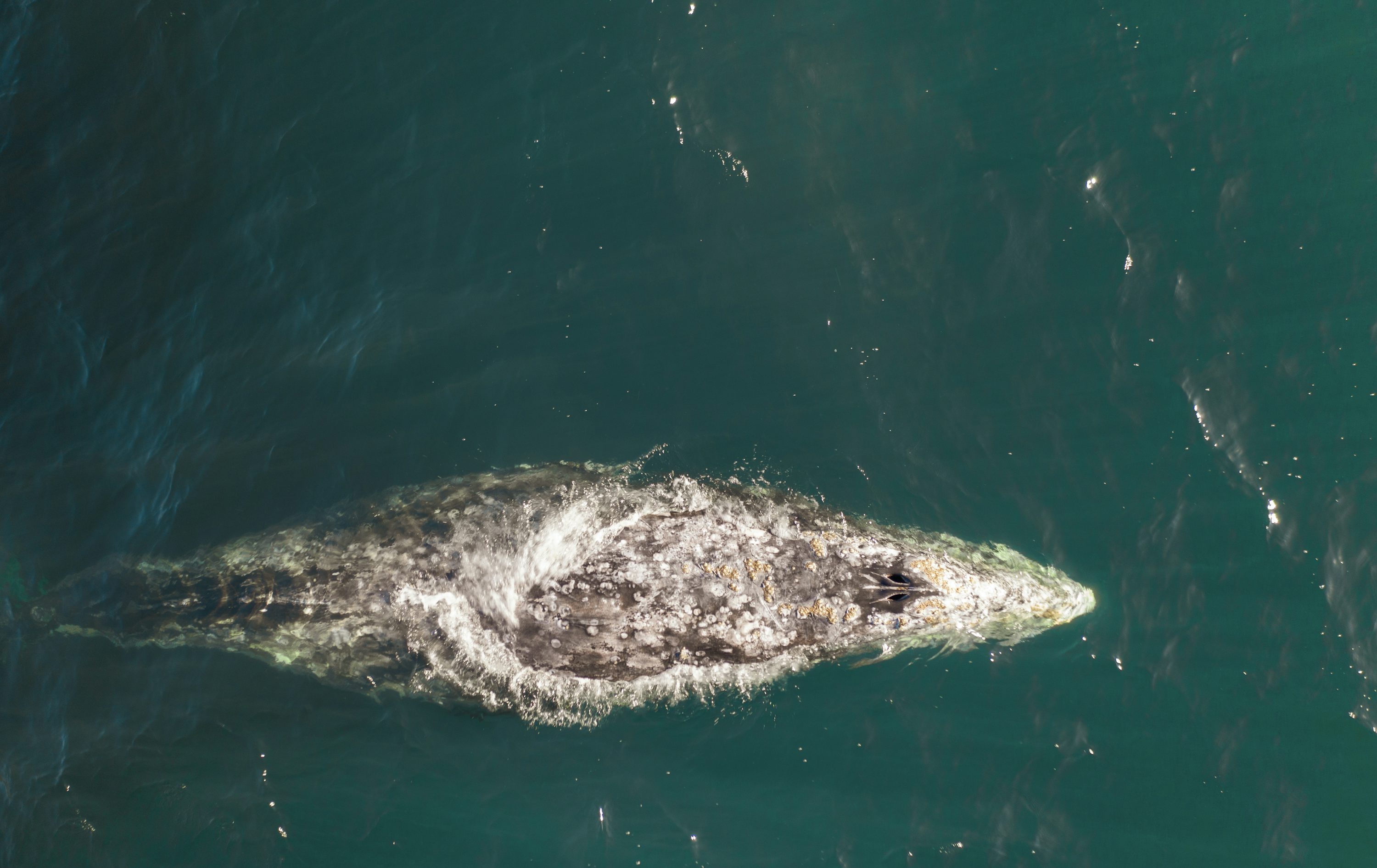
Shore-based whale watching 20,000 grey whales migrate past Oregon twice a year. You don’t need a boat. Dozens of free headland viewpoints put you directly above the migration path.
Sea caves and rookeries Sea Lion Caves near Florence is the largest sea cave in the US and home to a year-round Stellar sea lion colony. Hundreds of sea lions in winter.
Year-round birding 547 species recorded statewide. The Pacific Flyway brings millions of migrants through in spring and fall. The coast hosts tufted puffins, murres, and bald eagles.
Wildlife Watching Guides

Everything You Need to Get Started Wildlife Watching
Whale watching from a boat in Depoe Bay on the Oregon coast
Location Guide

Guide to Whale Watching on the Oregon Coast

Grey whale migration seasons, orca and humpback timing, and 10 specific headland viewpoints from Lincoln City to Cape Perpetua. The most complete Oregon whale watching resource we’ve built.

Read the guide
Stellar sea lions hauled out inside the Sea Lion Caves on the Oregon coast
Attraction Guide

The Sea Lion Caves

The largest sea cave in the US, 11 miles north of Florence. Hundreds of Stellar sea lions winter here, with a whale watching platform 300 feet above the Pacific. Tickets, hours, and what to expect.

Read the guide
Orca whale off the Oregon coast, one of many marine species visible from shore
Location Guide

Oregon Coast Wildlife Guide

What to look for and where along the 362-mile Oregon coast. Grey whales, orcas, sea lions, harbor seals, tufted puffins, and bald eagles, with the best headlands and viewing seasons for each.

Read the guide
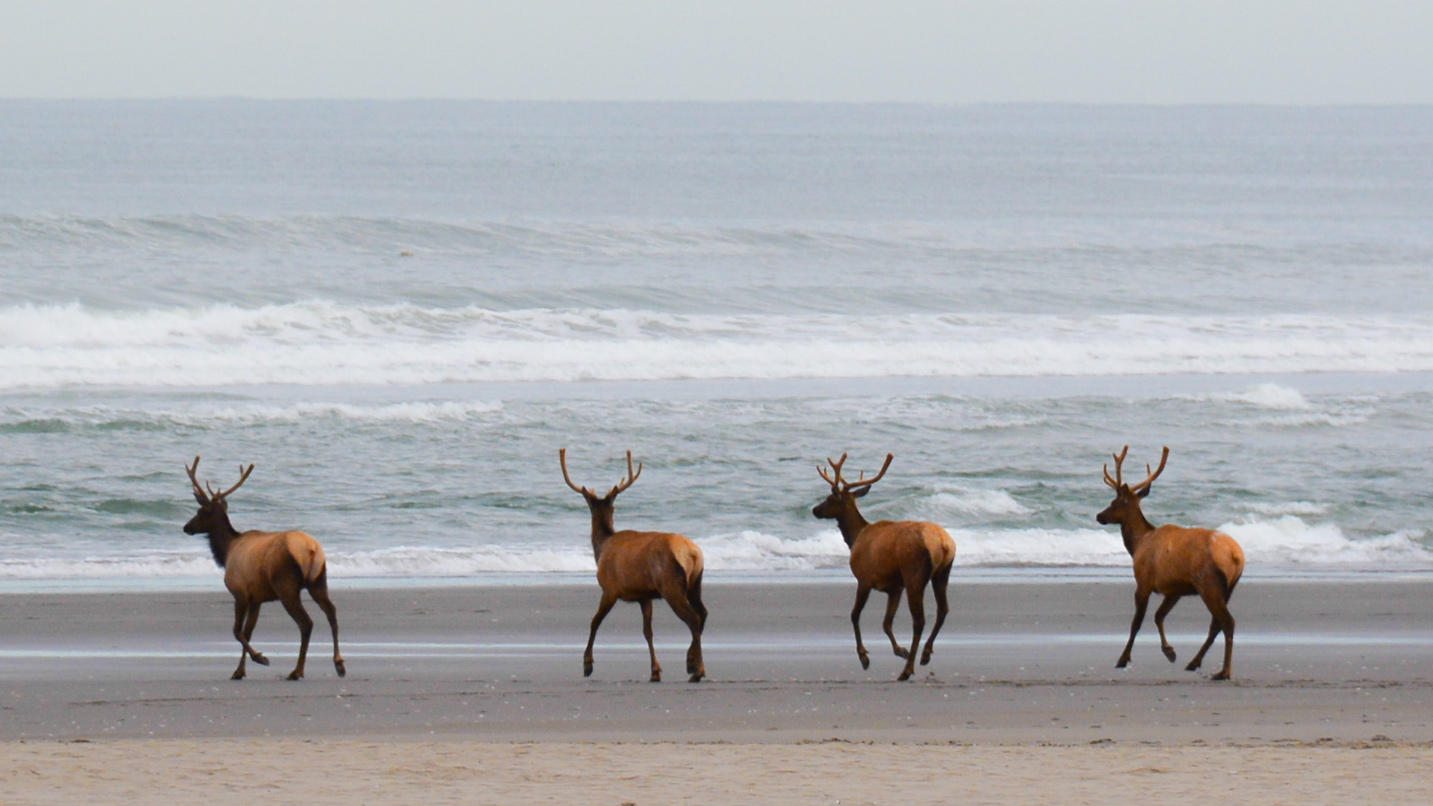
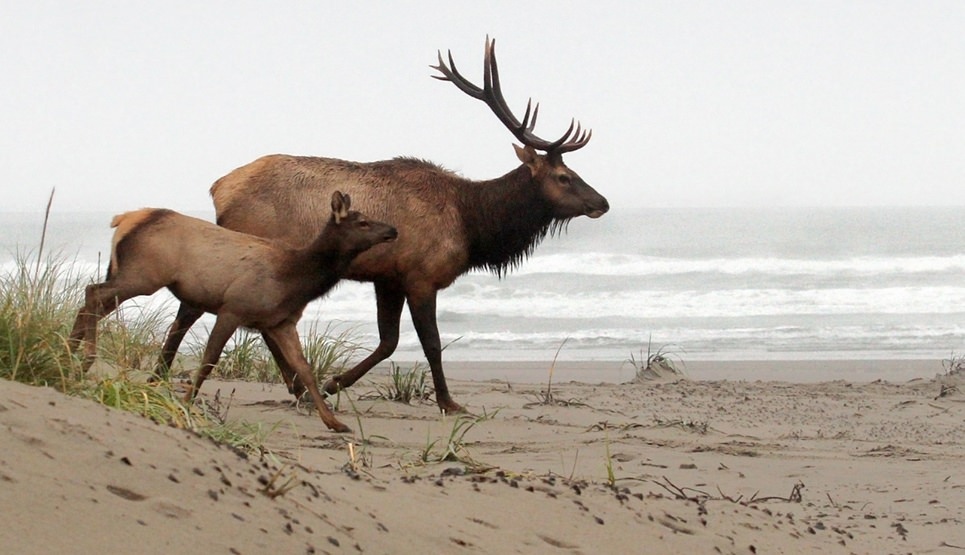
Roosevelt elk on the Oregon coast, one of the largest herds in the country
Location Guide

Where to See Elk in Oregon

Roosevelt elk in the coast range, Rocky Mountain elk in the Cascades and Blue Mountains, and the best times and locations to spot them. The Oregon coast range holds one of the largest Roosevelt elk herds in the country.

Read the guide
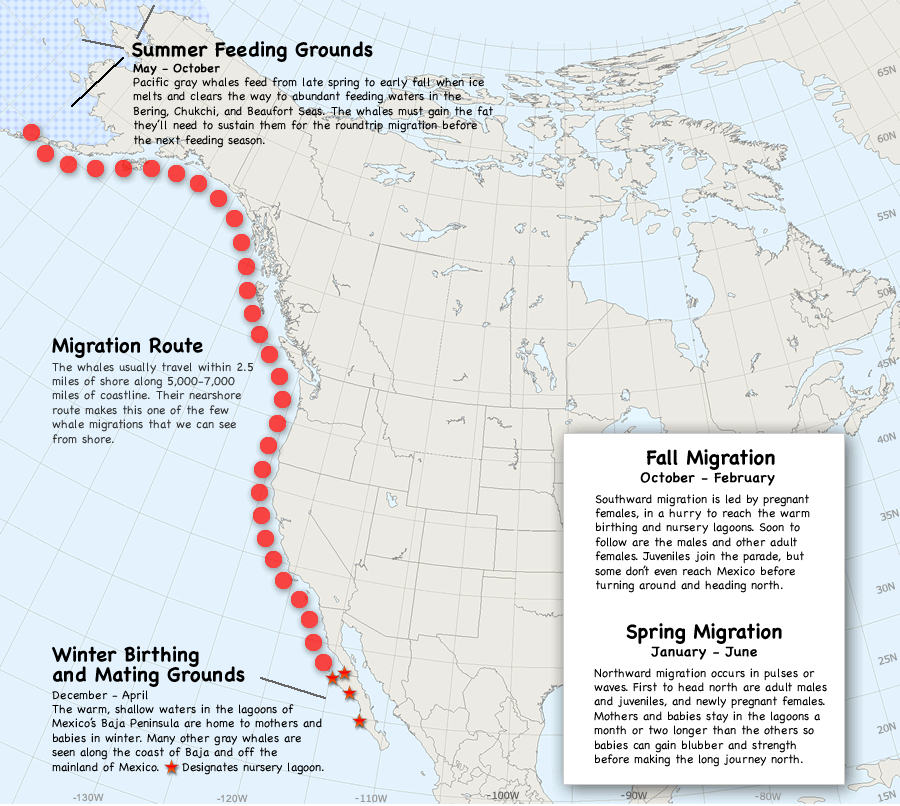
Grey whale annual migration route map showing southbound and northbound seasons
Seasonal Guide

Whale Watching Season in Oregon

Month-by-month breakdown of what to expect. Grey whale southbound migration peaks December to January, northbound March to June. Resident pod in Depoe Bay June through November. Orca sightings peak May to September.

Read the guide
Wildlife watcher using binoculars from a coastal headland in Oregon
Buying Guide

How to Choose Binoculars

Magnification, objective lens diameter, prism type, and coatings explained. How to match a pair to what you’re watching, from whale watching on open water to birding in dense forest.

Read the guide
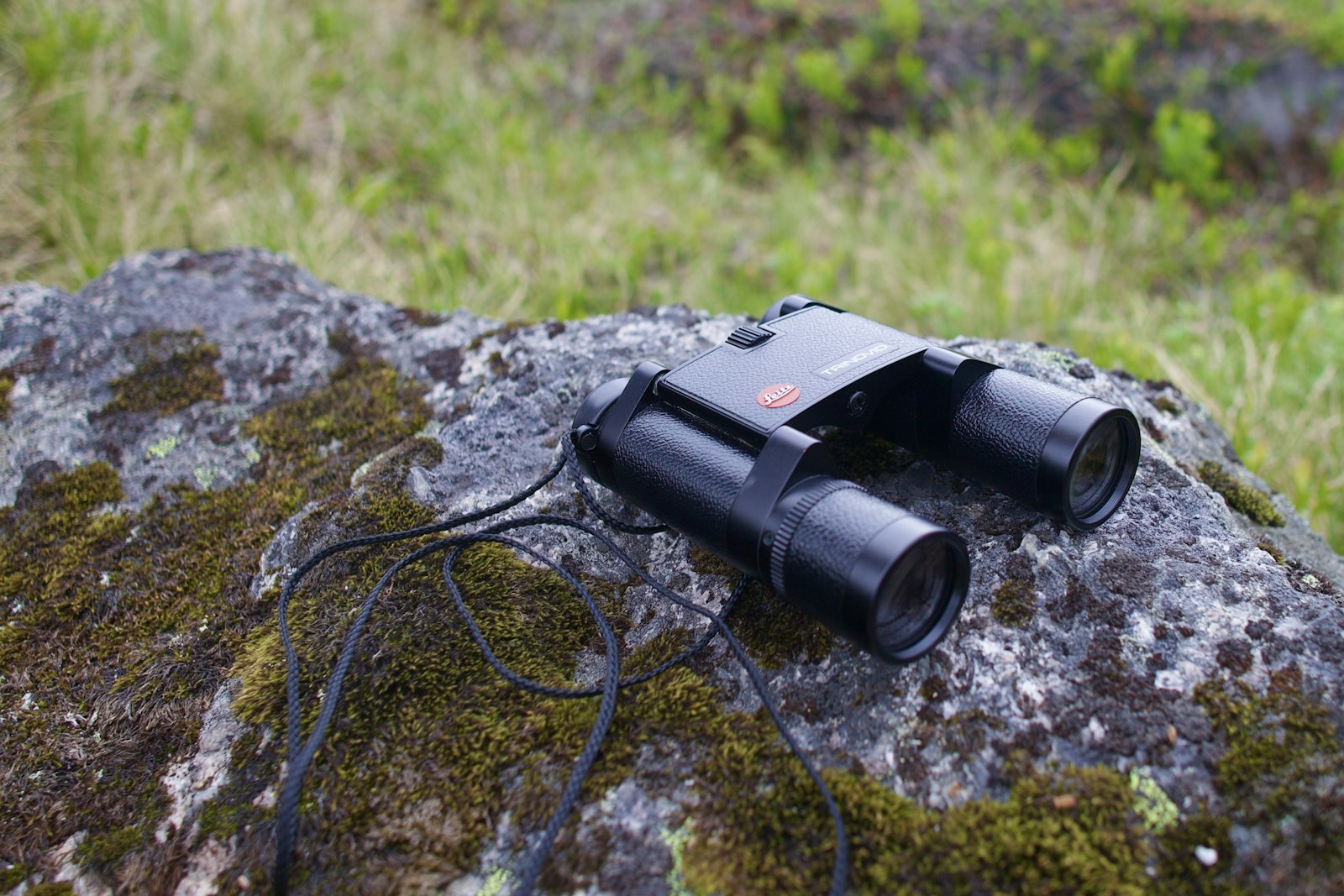
Binoculars with magnification and objective lens numbers labeled
Gear Guide

What Do the Numbers on Binoculars Mean?

What 8×42, 10×50, and other specifications actually tell you. The relationship between magnification, lens diameter, brightness, and field of view, with practical recommendations by use case.

Read the guide
Whale watching boat on the Oregon coast, seen through binoculars from shore
Beginner’s Guide

How to Use Binoculars

Interpupillary distance, diopter setting, center focus technique, and how to find a moving subject quickly. Everything a first-time user needs to get a sharp, steady image.

Read the guide
Depoe Bay harbor, the whale watching capital of the Oregon coast
Destination Guide

Things to Do in Depoe Bay

The whale watching capital of the Oregon coast. A resident grey whale pod lives here year-round, with viewpoints, guided tours, tidepools, and the world’s smallest navigable harbor all within walking distance.

View guide
Species Spotlight

Oregon Wildlife Worth Knowing

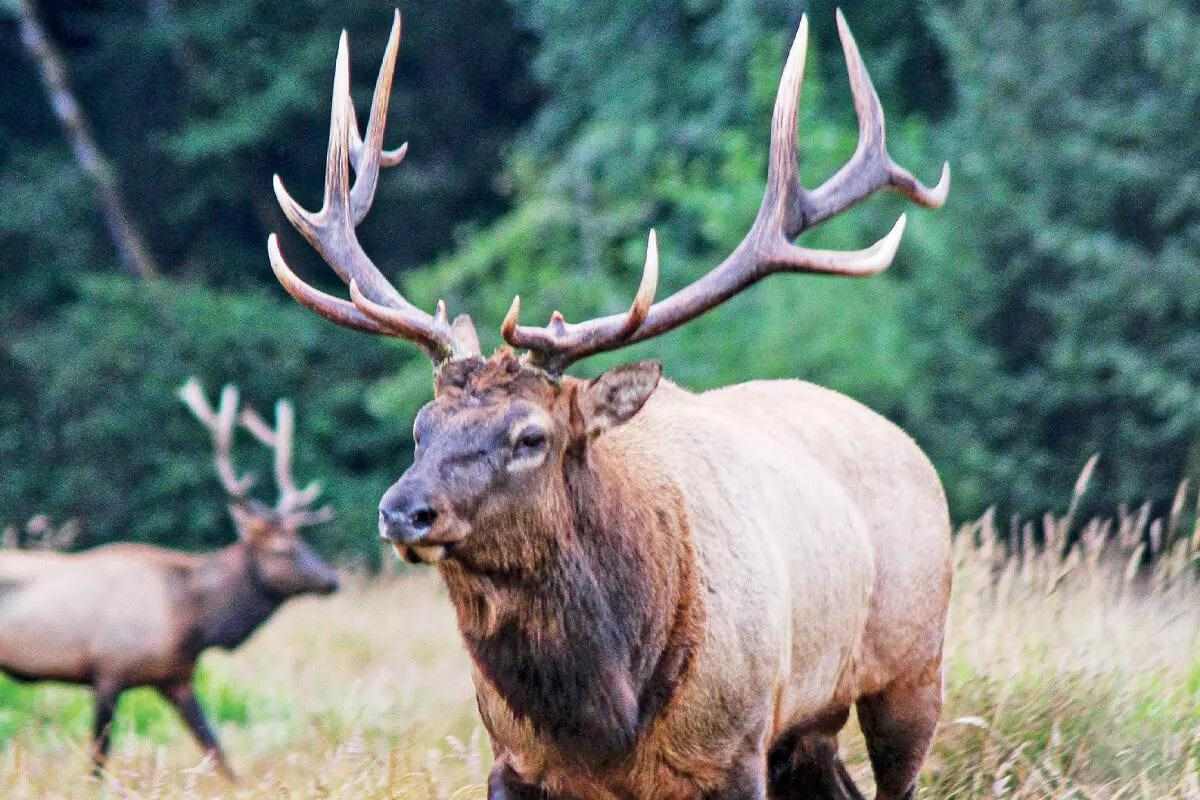
Roosevelt elk bull in the Oregon wilderness
Roosevelt Elk Year-round
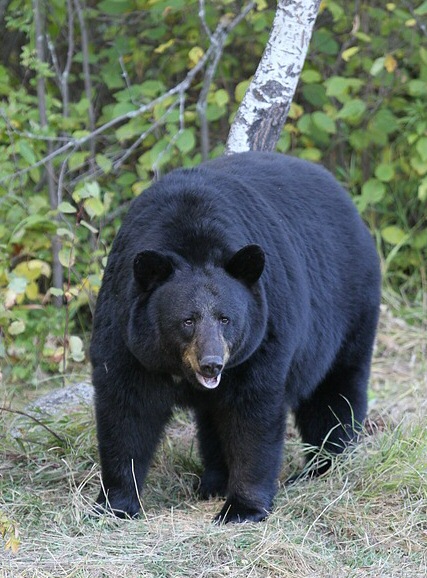
American black bear in the Pacific Northwest
American Black Bear Year-round
Pacific white-sided dolphins off the Oregon coast
Pacific White-sided Dolphin Year-round
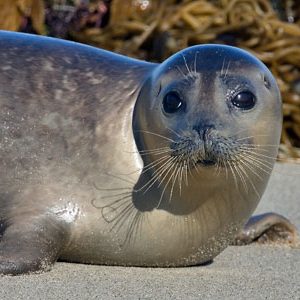
Harbor seal hauled out on Oregon coast rocks
Harbor Seal Year-round
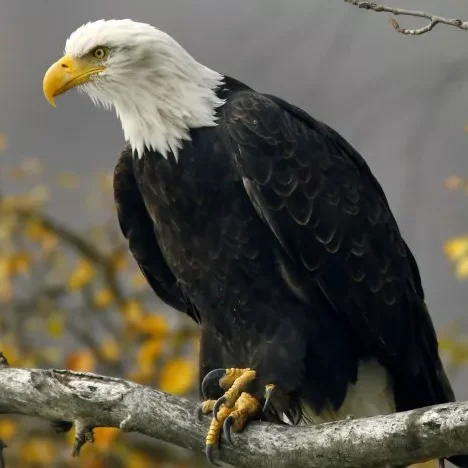
Bald eagle perched on the Oregon coast
Bald Eagle Year-round
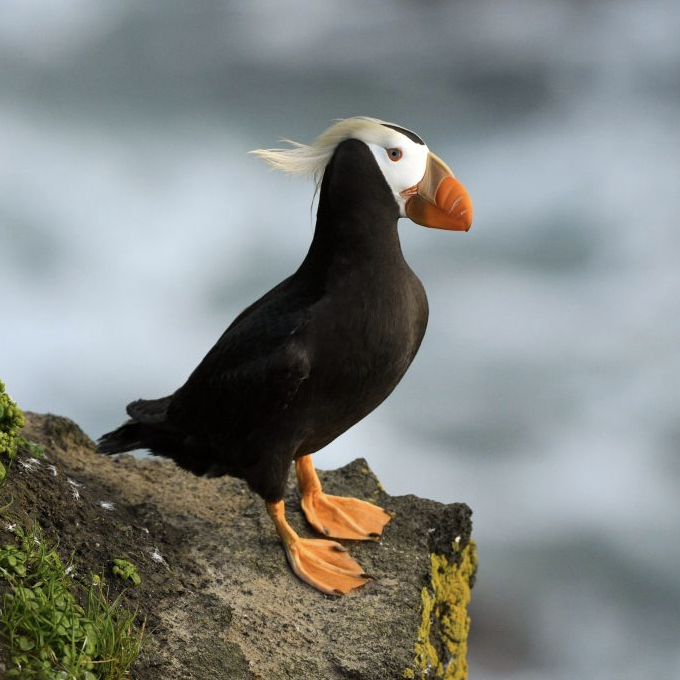
Tufted puffin on the Oregon coast
Tufted Puffin Apr to Aug
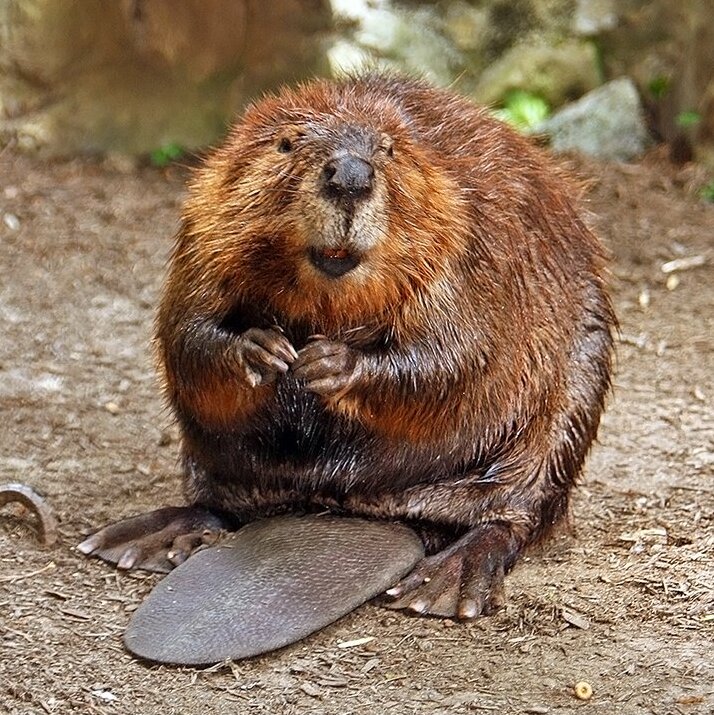
American beaver, the Oregon state animal
American Beaver Year-round
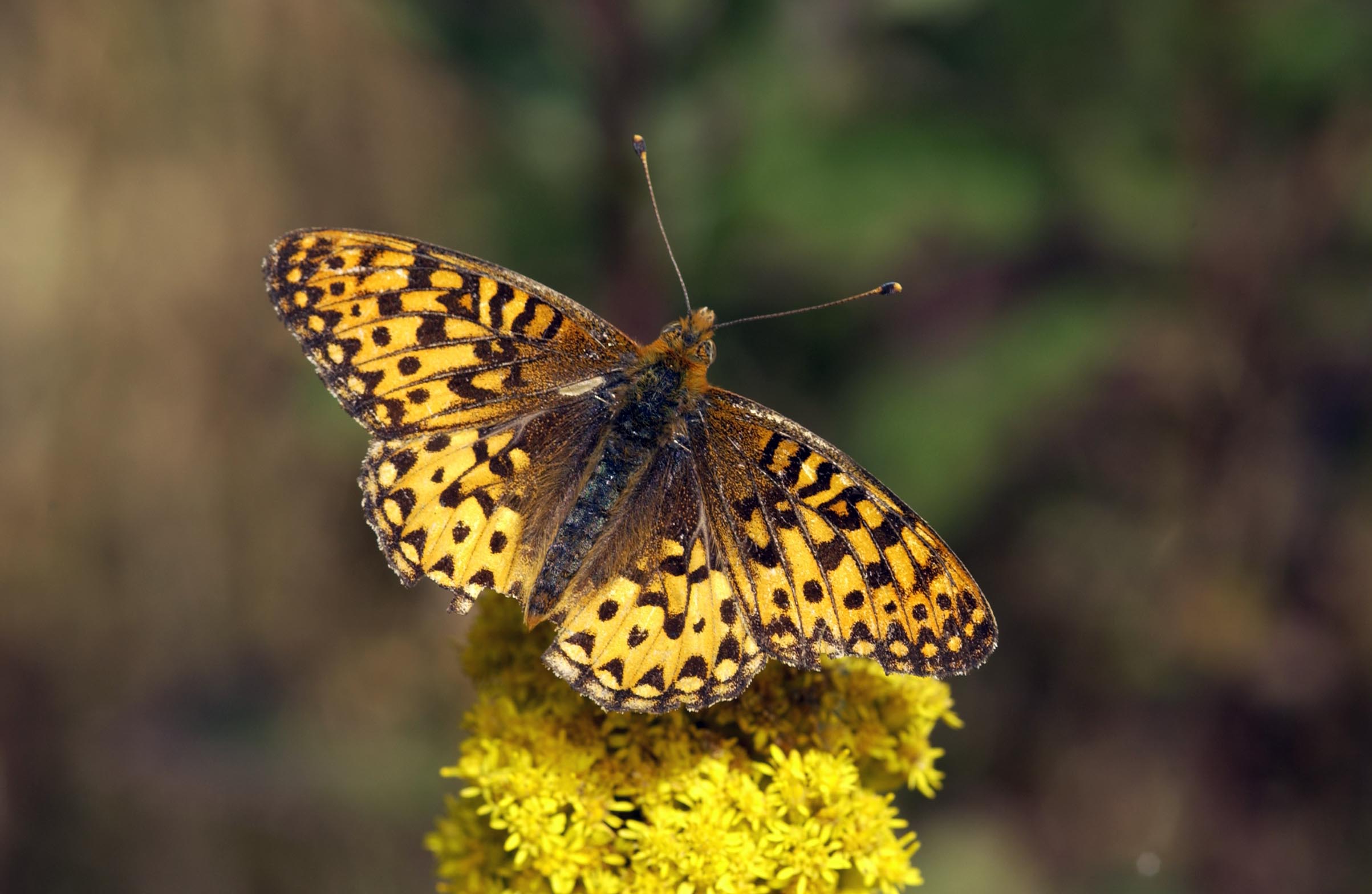
Oregon Silverspot butterfly, a federally threatened species
Oregon Silverspot Butterfly Jul to Sep
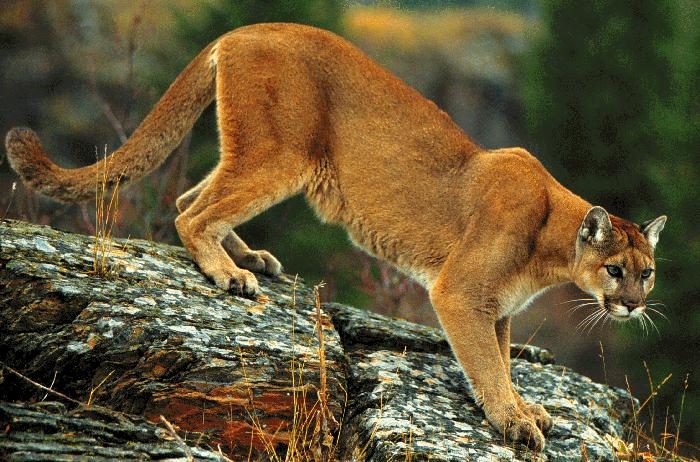
Cougar (mountain lion) in the Pacific Northwest wilderness
Cougar Rarely seen, year-round
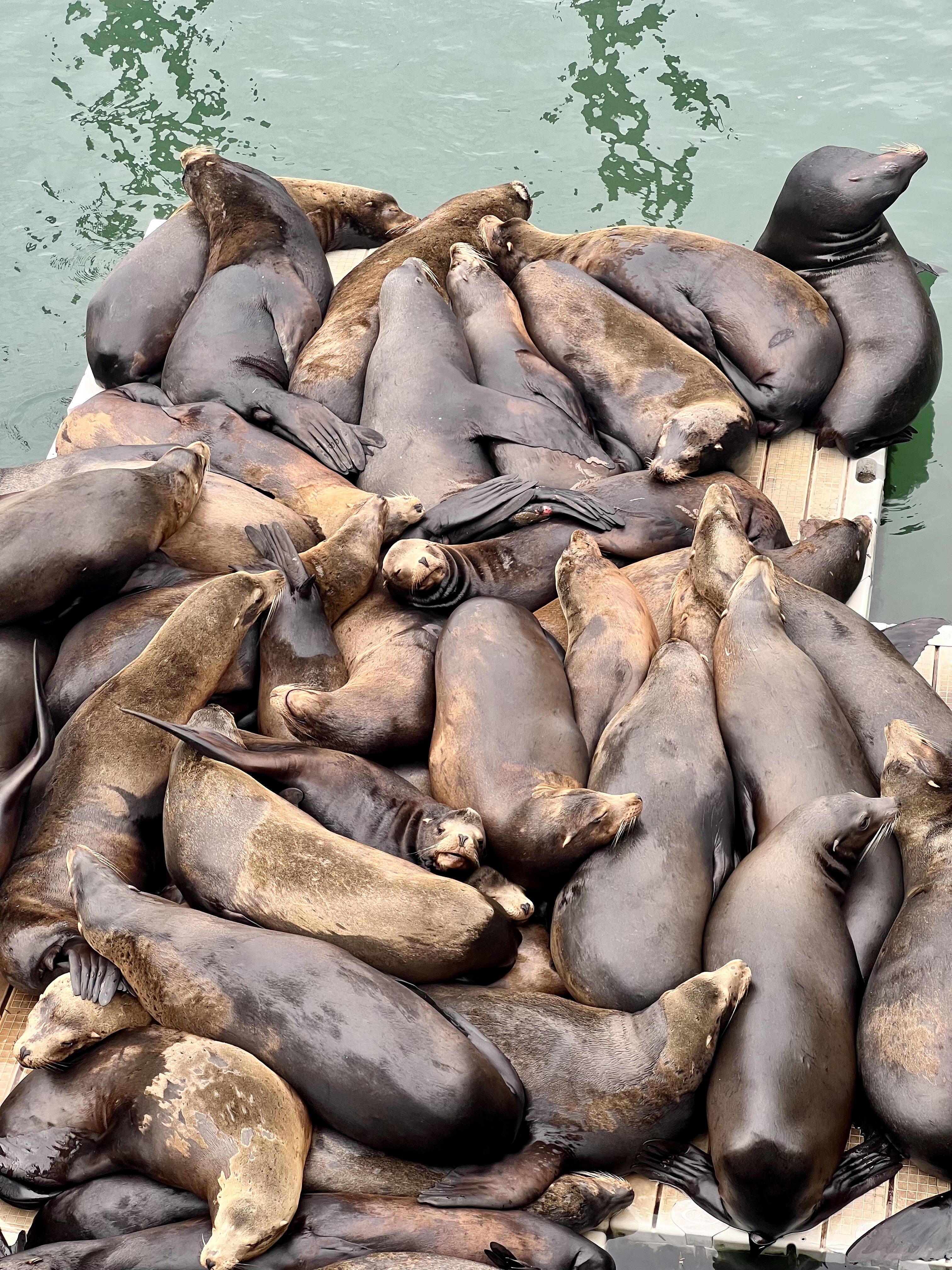
Stellar sea lions hauled out on the docks in Newport, Oregon
Stellar Sea Lion Oct to Apr
Devil's Punchbowl coastal formation on the Oregon coast, prime wildlife watching spot
Gear Reviews

Binoculars and cameras for Oregon wildlife

Binoculars tested for coastal use, trail cameras for remote wildlife monitoring, and action cameras for capturing what you find. Reviewed at every price point.

Common Questions

Oregon Wildlife Watching FAQ

Binocular numbers like 8×42 describe magnification and objective lens diameter. The first number (8x) is the magnification: objects appear 8 times closer than with the naked eye. The second number (42mm) is the diameter of the front objective lens in millimeters. A larger objective lens gathers more light, giving a brighter image in low-light conditions such as dawn, dusk, or overcast days on the coast. For whale watching and birding, 8×42 is the most versatile all-round choice.
For general wildlife watching, 8×42 binoculars offer the best balance of magnification, field of view, and brightness. 10×50 gives more magnification but is heavier and harder to hold steady without support. For birding in forest, 8x is preferred for its wider field of view when tracking moving birds. For whale watching from a headland, 10x lets you see more detail at distance. Roof prism binoculars are more compact. Porro prism binoculars typically offer better optics at the same price. Always look for fully multi-coated lenses and waterproofing.
Start by adjusting the hinge to match your eye spacing until you see a single circular image. Cover the right lens and use the center focus wheel to focus with your left eye until the image is sharp. Then cover the left lens and use only the diopter ring on the right eyepiece to fine-tune the right eye. Once set, use only the center wheel for all future focusing. For wildlife, find the animal with your naked eye first, then raise the binoculars to where your eyes are already looking. See the full guide at how to use binoculars.
Binoculars use two objective lenses to gather light and create a magnified image, which is then corrected by an internal prism system to make the image right-side-up. The eyepiece lenses then magnify that corrected image. Without the prisms, the image would be upside down. Higher-quality glass coatings on the lenses reduce reflection and increase light transmission, which is why more expensive binoculars look noticeably brighter even at the same magnification.
Set your interpupillary distance first by adjusting the hinge until you see one round image. Cover the right lens, focus on a fixed object using the center wheel with your left eye. Then cover the left lens and turn only the diopter ring on the right eyepiece until the image is sharp. Leave the diopter set and use only the center focus wheel going forward. For whale watching, subjects at distance are close to infinity focus and need very little adjustment once the diopter is set.
Use a soft lens brush or air blower to remove loose dust before wiping. Never wipe a dry lens as particles will scratch the coating. Apply a small amount of lens cleaning fluid to a microfiber cloth and wipe in a circular motion from center outward. For stubborn salt spray after coastal use, a slightly damp cloth works better than dry cleaning. Never use paper towels, shirt fabric, or household glass cleaner. The eyepiece lenses attract oils from eyelashes and need the most frequent cleaning.
Yes. Binoculars are allowed in both carry-on and checked luggage on all domestic and international flights with no restrictions. Carry them in your carry-on bag rather than checked luggage to protect the optics from rough handling. A padded case or dedicated binocular bag protects the lenses and prism alignment, which can be knocked out of collimation if dropped or heavily compressed in checked baggage.
Grey whale watching peaks December to January (southbound migration) and March to June (northbound with calves). A resident population is viewable near Depoe Bay from June through November. Orcas are most commonly sighted May to September. Tufted puffins breed on offshore rocks from April through August. Bald eagles are present year-round on the coast. Stellar sea lions at Sea Lion Caves are most numerous October through April. Harbor seals can be seen hauled out on rocks year-round.