Oregon Tails · Camping Guide
What to Pack for a Camping Trip: The Complete Checklist
Ten categories, ninety plus items, scaled for everything from one night to a full week. Tested across Oregon coast campgrounds, Cascade lakes, and high desert sites where the weather changes its mind every six hours.
Jump to the checklistThe single most useful thing about a camping packing list is having one at all. Forgetting a pillow turns a great trip into a stiff one. Forgetting headlamps turns it into a worried one. Forgetting rain gear in the Pacific Northwest turns it into a short one. The list below is built to prevent all three.
This guide organizes everything you need into 10 logical categories, scales the quantities for trips from one night to a full week, and adapts to specific styles of camping (car, tent, RV, kayak, festival, beach, motorcycle, cold weather). Use the interactive checklist to track what you have packed, then save or print it before you leave.
The five non-negotiables for any camping trip: tent and stakes, sleeping bag plus pad, headlamp per person, one gallon of water per person per day, and a first aid kit. Everything else on this list makes the trip more comfortable. These five make the trip safe.

The 10 categories of camping gear
Tap any category to jump to its full item list.
The complete camping packing checklist
Tap any item to check it off. Your progress saves automatically on this device. Print or save when you are done.
01 · Shelter and sleep system
11 itemsWhere you sleep matters more than any other gear decision. A bad shelter setup ruins the whole trip; a good one fades into the background. Buy the best tent and sleeping pad you can afford. Borrow the rest if you need to.
02 · Cooking and food
14 itemsPlan every meal before you pack the kitchen. Most beginners haul three times the cookware they need because they pack for general possibility instead of specific meals. A two-burner stove and one good pot covers nearly every car camping menu.
03 · Water and hydration
6 itemsOne gallon per person per day, total. That covers drinking, cooking, washing dishes, and brushing teeth. Most state and national park campgrounds in Oregon have potable water on site, but never assume it. Confirm before you leave.
04 · Clothing and layers
14 itemsPack one warmer layer than the forecast suggests. Mountain and coastal nights routinely drop into the 40s even in July, and once you are cold and damp at camp, the trip is effectively over. The detailed layering breakdown is in the three-layer system section below.
05 · Lighting and power
7 itemsA headlamp per person is non-negotiable. Sharing one in the dark is the single fastest way to start an argument at camp. Keep a backup set of batteries packed with the headlamp itself, never in a separate bag.
06 · Tools and repair
9 itemsA multitool, duct tape, and paracord cover roughly 80 percent of camp repairs. The rest is filled in by a tent stake repair sleeve, a sewing kit, and a willingness to improvise. Pack the tool bin once and keep it permanently with your camping gear.
07 · First aid and safety
11 itemsA pre-built first aid kit covers most cuts, blisters, and headaches. Add tweezers, after-bite, and any prescription medications individually since most kits skip those. Bear spray is required if you camp in eastern Oregon or near salmon-bearing rivers.
08 · Hygiene and personal care
10 itemsPack a small, dedicated toiletry bag and leave it permanently with your camp gear. Refilling small bottles between trips is the fastest way to forget something. Biodegradable soap and a quick-dry towel cover camp showers and bathing in lakes alike.
09 · Navigation and communication
5 itemsCell coverage drops at most Oregon campgrounds outside the Willamette Valley. Save offline maps before you leave the driveway, screenshot the campground map and reservation, and tell one person at home where you will be and when you will return.
10 · Camp comfort and extras
6 itemsThe difference between a survivable trip and an actually enjoyable one usually comes down to the comfort items. Camp chairs and a shade tarp are the two highest-leverage upgrades after the core kit is set.
How to scale this list by trip length
The core gear stays the same. What changes is the quantity of consumables (food, water, fuel, clothing changes) and the redundancy of safety items. Use this matrix to right-size your packing.
| Item | Overnight (1 night) | Weekend (2 nights) | 3 to 4 nights | 5 to 7 nights |
|---|---|---|---|---|
| Water (per person) | 1 gallon | 2 gallons | 3 to 4 gallons | Plan refills on site |
| Stove fuel | Half canister | 1 canister | 1 canister plus backup | 2 canisters minimum |
| Clothing changes | 1 set plus sleep set | 2 sets plus sleep set | 3 sets plus rotating | 4 to 5 sets, plan a wash |
| Coolers | One small cooler | One mid cooler | One large cooler | Two coolers (food and drink separate) |
| Food (meal count) | 1 dinner, 1 breakfast, 1 lunch | 2 dinners, 2 breakfasts, 2 lunches | Full menu plus 1 extra meal | Plan a midweek grocery run |
| Headlamp batteries | Installed set | Installed plus 1 spare | Installed plus 1 spare | Installed plus 2 spare |
| Trash bags | 2 bags | 3 bags | 4 to 5 bags | 1 box (10 plus) |
| Power bank | Optional | One 10,000 mAh | One 20,000 mAh | 20,000 mAh plus solar panel |

Variations by camping type
The base list above assumes drive-up car camping at an established site. Here is what changes for the most common variations.
Tent and car camping (the default)
The full checklist applies as written. Pack everything in stackable bins by category (one for kitchen, one for sleep system, one for tools and safety). Bins stack better than duffels in a trunk and let you pull out what you need without unloading the whole car.
Site-specific adds: a doormat or rug for the tent vestibule (massive quality-of-life upgrade), a small entryway bin for muddy shoes, and a hanging organizer to keep loose items off the picnic table.
RV and trailer camping
You can skip the tent, sleeping pads, and most lighting. The RV provides those. What you still need: drinking water (the freshwater tank is rarely potable to taste), a fresh sewer hose with sealed ends, leveling blocks, wheel chocks, a power adapter for the campsite hookup, and an outdoor mat for the doorway.
Add: a small fire extinguisher rated for grease and electrical fires, propane for the cooktop and heater (verify levels), and a tire pressure gauge. The standard kitchen, hygiene, and clothing categories still apply.
Kayak and canoe camping
Everything that touches the boat must be inside a dry bag. Plan two large dry bags per person plus one shared bag for the kitchen. Replace anything heavy with a lightweight equivalent: backpacking stove instead of two-burner, mess kit instead of full plate set, freeze-dried meals instead of cooler items.
Add: PFD per person (worn, not stowed), bilge pump or bailer, paddle leash, dry box for the phone and headlamp, and waterproof matches in addition to a lighter. Tide and current charts if you are paddling on the coast or Columbia River.
Motorcycle camping
Volume and weight rule everything. Replace the full kitchen with a single backpacking stove, one titanium pot, and a spork. Skip the cooler and plan around shelf-stable meals or grocery stops. The tent should be a one or two person backpacking tent that packs to under 5 pounds.
Add: ratchet straps, dry bags or tail-pack, a small tarp that doubles as a bike cover, a tire repair plug kit, and a USB charger that runs off the bike battery. Pack heavy items low and centered, and never strap anything across the handlebars.
Festival camping
Festival sites are loud, dusty, and crowded. Bring earplugs, an eye mask, and a tent flag or unique decoration so you can find your tent at 2 a.m. in a sea of identical ones. Skip the propane stove (most festivals ban open flames) and pack cold meals plus a few hot options for a Jetboil-style canister stove.
Add: a cable lock and a small lockable bag for valuables, a CamelBak-style hydration pack for the festival grounds, baby wipes for showers between rinses, glitter and costume changes (festival-specific), and a battery-powered fan for inside the tent. Confirm the festival packing rules before you leave; many ban glass, hammocks, and outside food.
Beach camping
Sand gets into everything. Bring a sand-free mat, a small whisk broom for the tent, and store everything in zip-top bags inside the duffels. Anchor the tent with sand-specific stakes (the regular ones do not hold) or use rocks and tied-off bags filled with sand.
Add: extra sun protection (the reflection doubles UV), a beach umbrella or pop-up shade tent (it is windier than you expect), tide tables, water shoes for tide pools, and freshwater for rinsing feet before they enter the tent. On the Oregon coast specifically, expect overnight lows in the 50s even in July and pack one warmer layer than the inland forecast suggests.
Cold-weather and shoulder-season camping
Sleep system upgrades come first: a four-season tent or a tent with a robust rainfly, a sleeping bag rated 10 to 15 degrees colder than the forecast low, and a sleeping pad with R-value of 4 or higher. Stack two pads if needed (closed-cell foam under an inflatable). Hot water bottles in the sleeping bag at bedtime extend the bag rating by roughly 10 degrees.
Add: hand and toe warmer packs, insulated water bottles (sleep with them or they freeze), an insulated mug, gaiters for snow, waterproof gloves and liner gloves, and extra fuel (canisters perform poorly below freezing). Eat a high-calorie dinner; your body burns fuel keeping itself warm overnight.
The three-layer clothing system
Pack three layers per person regardless of season. Adjust the weight of each layer to the forecast. Never use cotton as the base or mid layer; it holds moisture and pulls heat from the body.
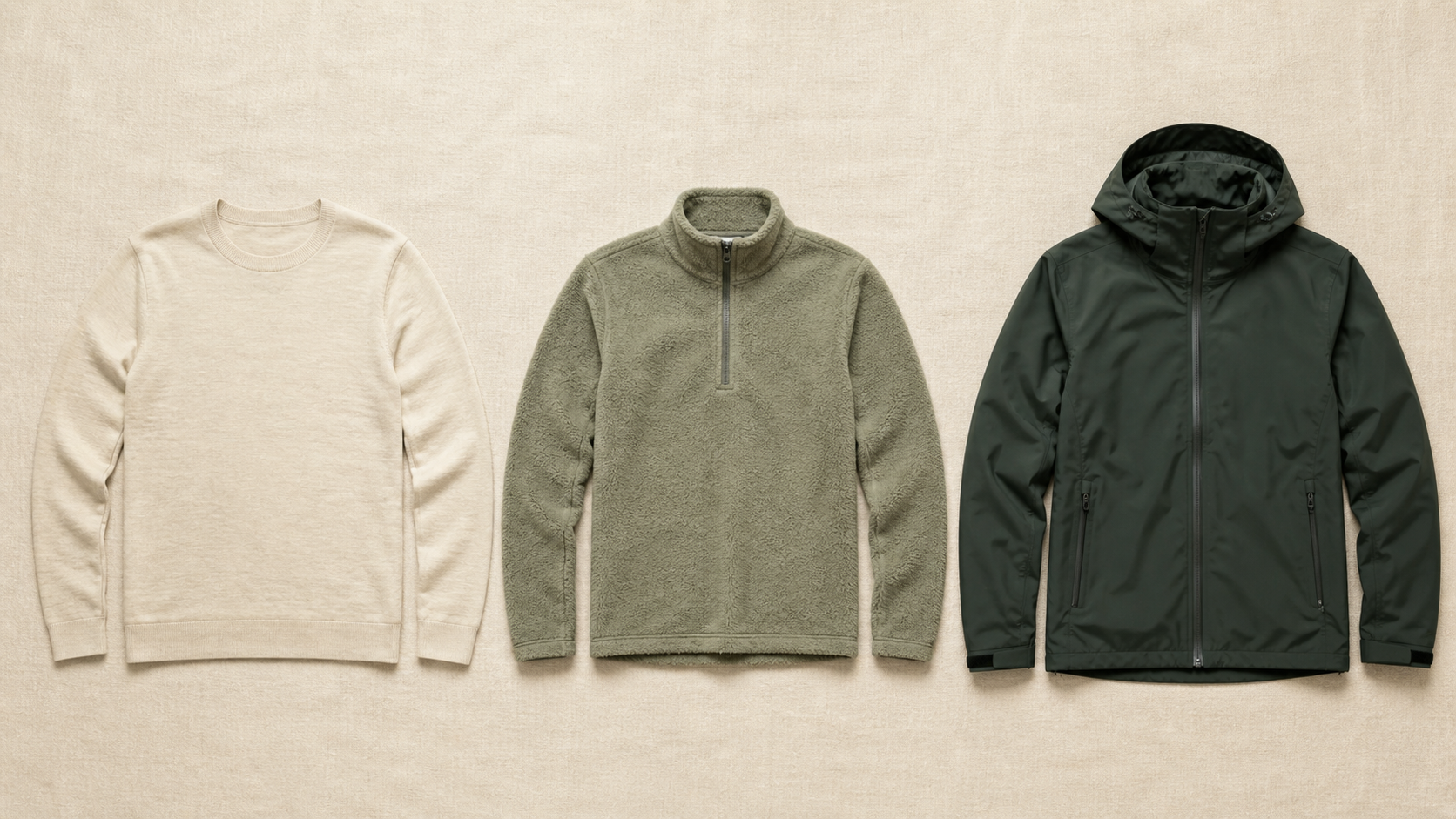
Layer 1
Base layer
Sits against the skin. Pulls sweat away from the body so you stay dry while moving. The weight of the fabric scales with how cold it is.
- Merino wool (best, no smell)
- Synthetic polyester (cheapest, dries fast)
- Lightweight summer, midweight shoulder, heavyweight winter
- Long sleeves and bottoms for cold trips
Layer 2
Mid layer (insulation)
Traps body heat. Goes on at camp once you stop moving and start cooling down. Carry it even if it is warm during the day; nights are colder than the forecast.
- Fleece jacket (warm when wet)
- Down puffy (warmest per ounce, useless if soaked)
- Synthetic puffy (decent in damp Oregon weather)
- Vest if you only need core warmth
Layer 3
Outer shell
Blocks wind and rain. Goes over everything else. In the Pacific Northwest, this is non-negotiable from October through June and recommended year-round.
- Hardshell rain jacket (best for steady rain)
- Softshell (more breathable, light rain only)
- Rain pants (worth it on coast or in spring)
- Pit zips help in the warm-rain combo
The 12 most forgotten camping essentials
After watching dozens of friends pack for camping, these are the items that get left at home most often. Keep a permanent “frequently forgotten” bag and stash it with your other gear between trips.
01
A real pillow
Rolled-up clothes are not the same. A small camp pillow saves your neck and turns a bad sleep into a good one.
02
A mallet for stakes
Hard ground at most Oregon campgrounds laughs at hand-pushed stakes. A small rubber mallet drives them in 10 seconds.
03
Duct tape
Tent tear, sleeping pad leak, blistered heel, broken flip-flop strap. Duct tape fixes all four for the rest of the trip.
04
A second light source
Headlamps die at the worst possible moment. A backup lantern or flashlight stays in the kitchen bin permanently.
05
Dish soap
Cooking is great until you face a greasy pan with only sand and lake water. A small bottle of camp suds takes care of it.
06
A clothesline plus pins
Fifteen feet of paracord and a few clothespins dries wet socks, towels, and rain gear overnight.
07
Trash bags (proper ones)
Contractor-grade bags hold real volume and double as rain covers, dirty laundry hampers, and ground tarps.
08
Lip balm
Wind, sun, and dehydration crack lips by day two. SPF lip balm is tiny and prevents a real annoyance.
09
A backup lighter
The first one always fails when it is wet, cold, or both. Pack three: one in the kitchen, one in the first aid kit, one in your jacket.
10
An extra warm layer
Pack one warmer layer than the forecast says you will need. You will use it. PNW weather is wrong all the time.
11
Reading material
You will have at least 90 minutes of camp downtime per day. A book, deck of cards, or game makes those hours feel like the point of the trip.
12
Cash and ID
Many smaller campgrounds in eastern Oregon take cash only at the iron-ranger pay station. ID and insurance card go in a zip-top bag at the bottom of your day bag.
Pacific Northwest specifics
What to pack for camping in Oregon and the PNW
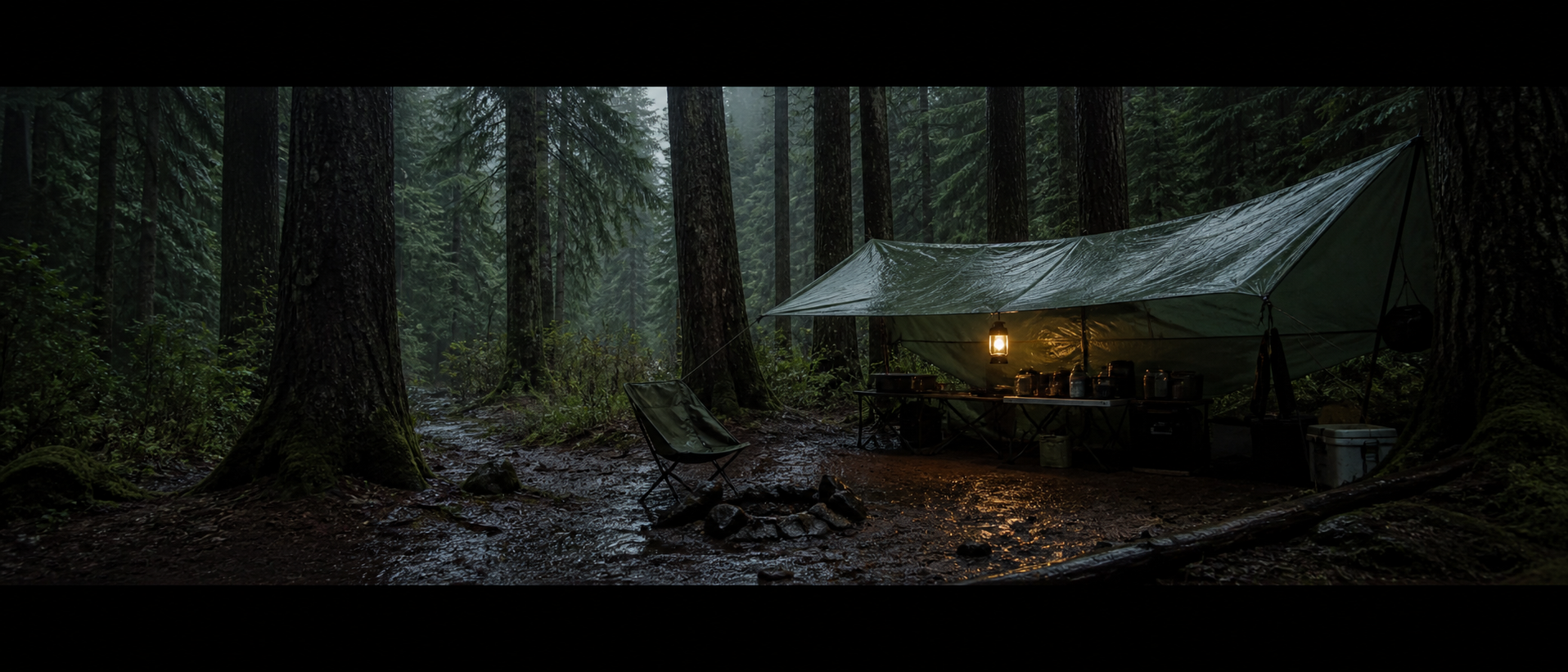
The Pacific Northwest has a habit of forecasting “partly cloudy” and delivering a four-hour rain band starting at dinner time. Coastal sites stay humid year-round; the Cascades cool off rapidly after sundown; eastern Oregon can swing 50 degrees between noon and 2 a.m. Pack for all three, even on the same trip.
Add to the standard list: a true rain shell (not just a windbreaker), a tarp for cooking and lounging in the rain, an extra dry bag for wet clothing, and warmer-than-needed layers. In bear country (eastern Oregon, the Wallowas, and any salmon-bearing river system), pack bear-proof food storage or use the campground bear box. Mosquitos are aggressive near lakes and rivers from June through August; a head net and DEET-based repellent are worth the small extra weight. Find more Oregon-specific advice on the Oregon camping hub.
Camping with kids, family, or a dog
Group composition changes the list. Each addition below stacks on top of the standard checklist; do not replace items, just add the relevant ones.

Kids and toddlers
Kids have a narrower comfort window than adults. Cold or hungry escalates fast, and a tired child at 9 p.m. on the first night can end a trip. Pack a kid-sized sleeping bag and pad (adult bags are too roomy to retain heat), a glow stick or two for the tent at night, more snacks than you think anyone could eat, wet wipes, an extra full change of clothes per child (mud and food happen), and one or two familiar comfort items (a stuffed animal, favorite cup, blanket from home).
Add for toddlers specifically: a portable potty seat, extra diapers and wipes (one and a half times what you would use at home), a baby carrier or hiking backpack, sun-protective long sleeves and a wide-brim hat, and child-safe insect repellent. Bring at least one rainy-day activity (coloring books, puzzles, deck of cards) for the inevitable weather window.
Teens and tweens
Teens generally pack themselves but consistently underpack warm layers and overpack electronics. Hand them this list and let them check items off. Add a power bank and an extra charging cable; they will both be needed.
Camping with a dog
Add to the list: dog food in a sealed container (one extra day’s worth), a collapsible food and water bowl, a long lead and tie-out stake, a dog-specific first aid kit (or add tick remover and benadryl to your own), waste bags, a towel for muddy paws, and a sleeping pad or blanket inside the tent. If your dog gets cold easily, a fleece dog jacket helps in shoulder seasons. See our guide to hiking and camping with dogs in Oregon for more.
Featured camping gear roundups
All camping gear →Need to upgrade something on the list? These are our tested roundups for the gear categories we get the most questions about.
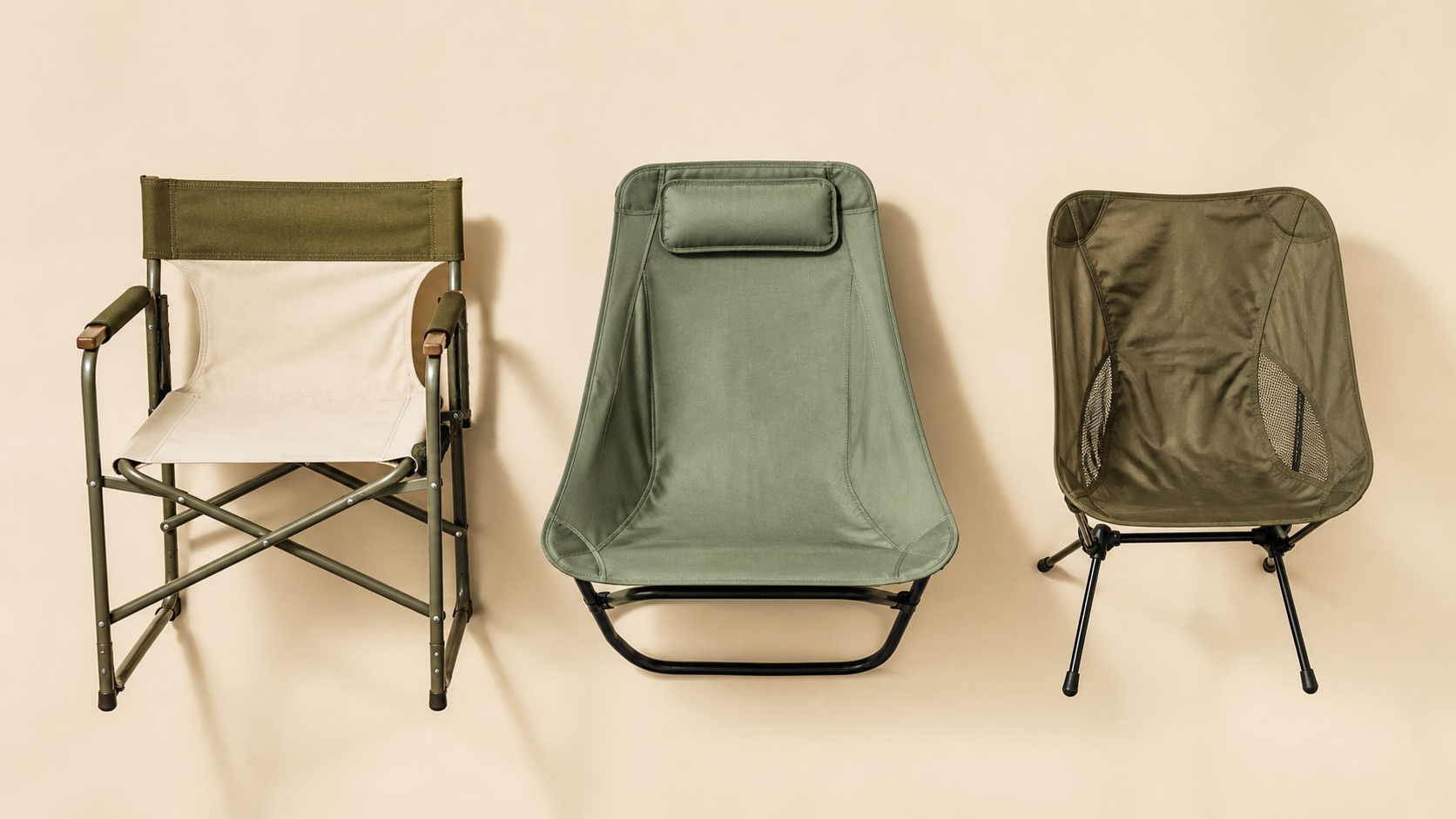
Camp Comfort
Best Camp Chairs of 2026
Twelve chairs tested in Oregon: folding, reclining, lightweight, and big-and-tall picks.
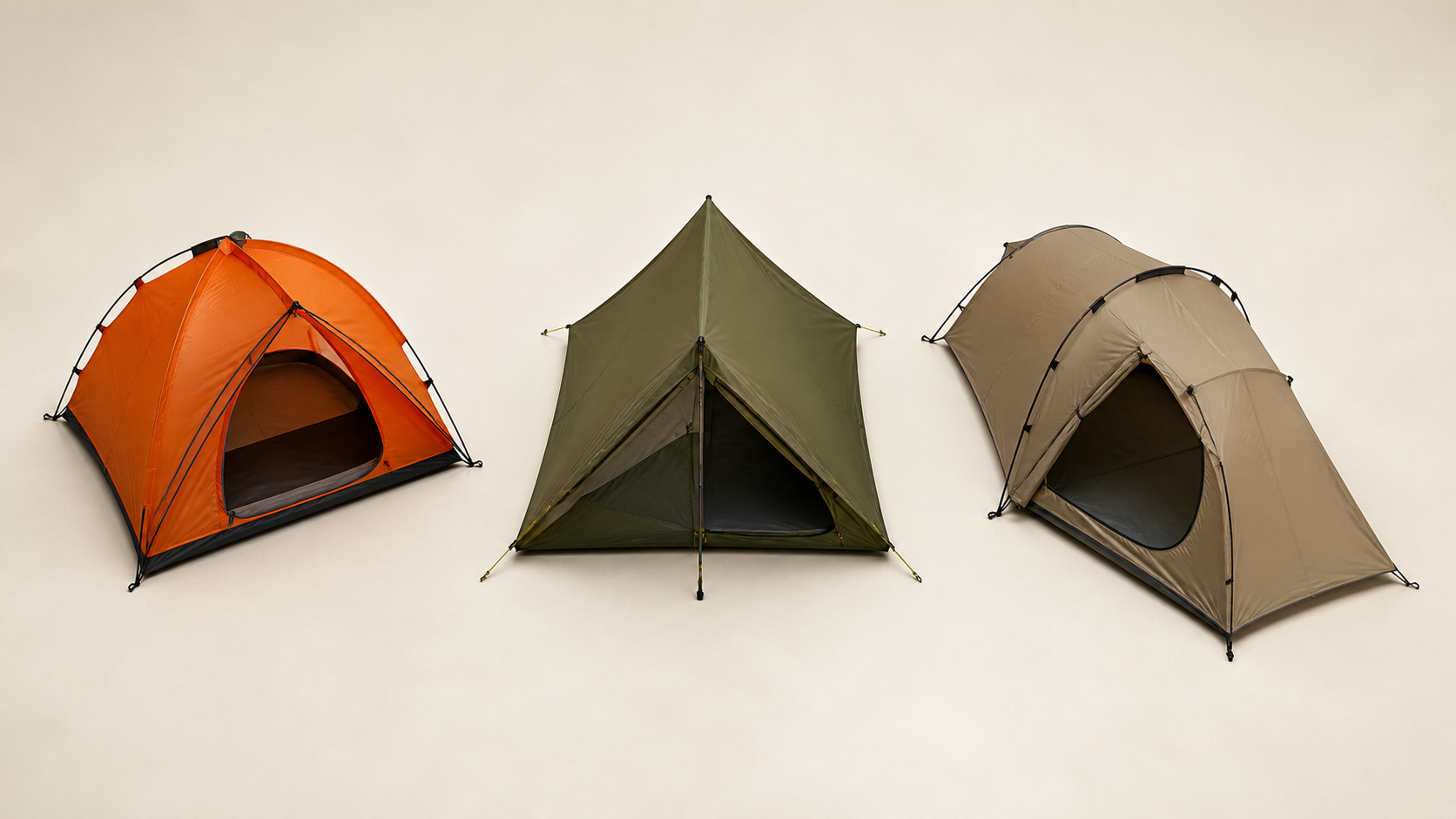
Shelter
Best Camping Tents
Two-person to family-size tents tested through Oregon coast wind and Cascades rain.
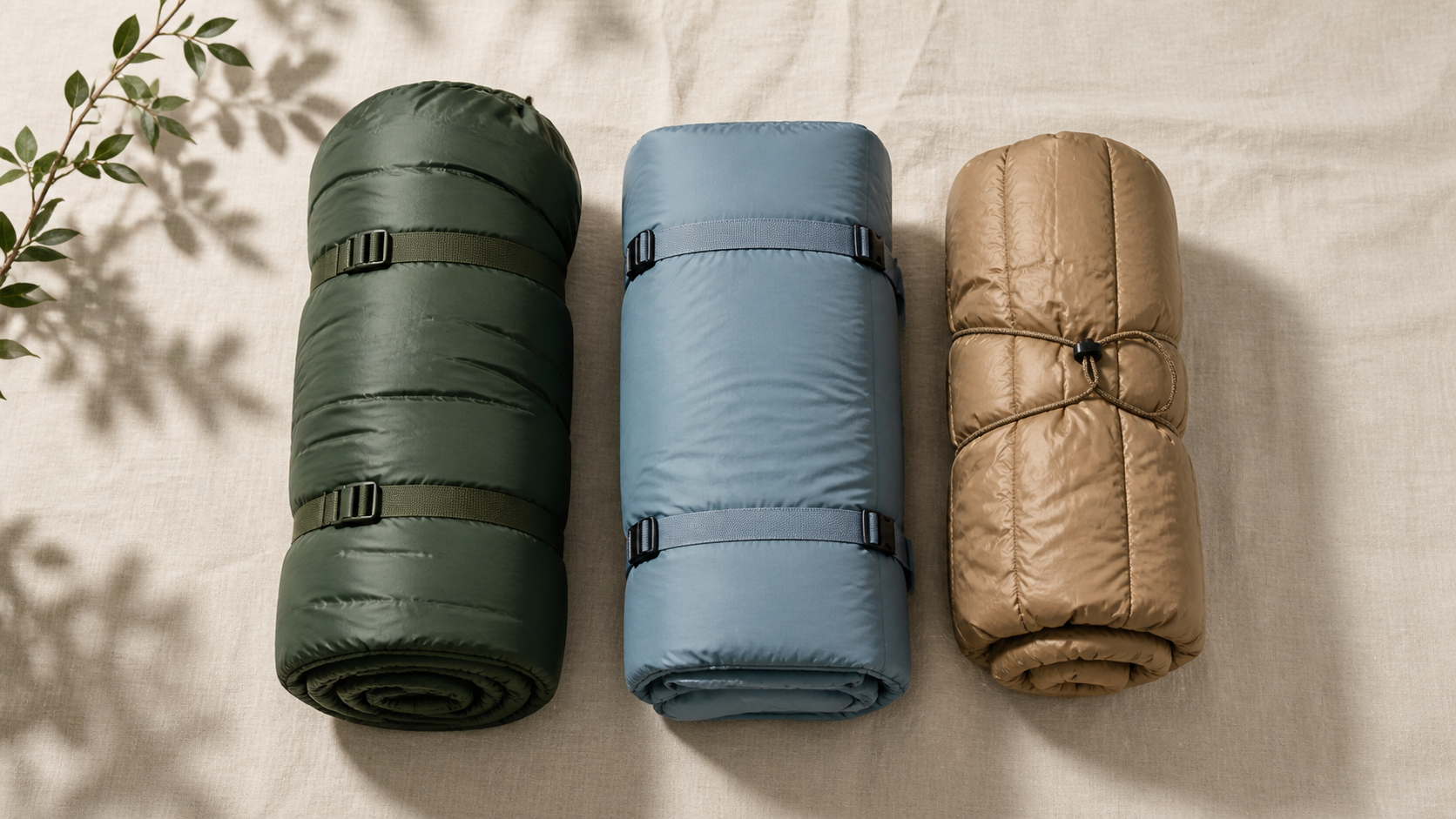
Sleep System
Best Sleeping Bags for Camping
Three-season bags that perform in PNW conditions, with picks for kids and cold sleepers.
Frequently asked questions
Quick answers to the questions we get most often about camping packing.
-
What are the 10 essentials for camping?
The standard ten essentials for any camping or backcountry trip are: navigation (map and compass or GPS), sun protection (sunscreen, hat, sunglasses), insulation (extra layers), illumination (headlamp plus spare batteries), first aid supplies, fire starter (lighter, matches, tinder), repair kit and tools (multitool, duct tape), nutrition (extra food), hydration (extra water and a filter), and emergency shelter (tarp or bivy). These are the items you bring even on day trips, and they are non-negotiable for car camping or backpacking.
-
What should you not bring camping?
Skip cotton clothing if rain is in the forecast (it stays wet and pulls heat away from the body), heavy glass containers (use plastic or metal substitutes), open-toe sandals as your only footwear, scented soaps and lotions in bear country, and large amounts of cash. Many campers also overpack camp chairs, kitchen gadgets, and outfit changes. A good test: if you cannot name a specific moment you will use the item, leave it home.
-
How much water should I bring camping?
Plan for one gallon per person per day. That covers drinking, cooking, dishwashing, and brushing teeth combined. A family of four on a three-day trip needs roughly 12 gallons, which fits in two five-gallon water jugs plus a few smaller bottles. If your campground has potable water, bring half that and refill on site. If you are camping near a lake or river, a filter or purification tablets cuts what you have to haul to drinking-only volumes.
-
What do beginners need for camping?
First-time campers need a tent rated for one more person than the group size, sleeping bags rated 10 to 15 degrees colder than the forecast low, foam or inflatable sleeping pads, a two-burner stove with fuel, a basic cookware set, headlamps for everyone, a cooler with ice, and a first aid kit. Borrow what you can for the first trip, then buy upgrades for the items you actually missed. Most beginners overspend on gear they end up replacing.
-
What clothes should I pack for a camping trip?
Pack three layers per person: a moisture-wicking base layer (merino or synthetic, never cotton), a warm mid layer (fleece or puffy), and a waterproof outer shell. Add quick-dry pants, shorts, two or three t-shirts, underwear and socks for each day, a warm hat, sun hat, and sturdy closed-toe shoes plus camp sandals. Even in summer, nights at elevation or on the coast drop into the 40s and 50s. Always pack one set warmer than the forecast.
-
What should I pack for an overnight camping trip?
For one night you can cut the full list roughly in half. The non-negotiables stay the same: tent, sleeping bag, pad, headlamp, water, food, first aid kit, fire starter, and one warm layer. Skip the chair if your tent has a vestibule, skip the second cooler, and skip backup outfits. Most overnight trips fit in a single duffel and a small cooler per person, plus one shared bin for the kitchen.
-
What should I pack for a 3-day camping trip?
Three nights is the sweet spot where the full list applies but quantities stay manageable. Plan three full days of meals plus one extra dinner in case the trip extends. Each person needs three sets of clothes, three pairs of socks and underwear, plus the layering system. Water: three gallons per person if no potable source. Add a backup fuel canister and a second pack of headlamp batteries. Total gear typically fits in a midsize SUV.
-
What should I pack for a week-long camping trip?
A week-long trip needs the full list plus careful resupply planning. Pack four to five days of clothing and rotate or wash mid-trip. Bring two coolers (one for meat and dairy, one for drinks and produce, opened less often). Plan a midweek grocery run if you are within 30 minutes of a town. Add a tarp for shade or rain shelter, extra duct tape, a backup tent stake set, and a power bank for charging headlamps and phones.
-
What do I need for camping with kids?
On top of the standard list, kids need: a kid-sized sleeping bag and pad (adult bags are too big to retain heat), a headlamp they choose themselves so they actually wear it, glow sticks for the tent at night, a few familiar comfort items (stuffed animal, favorite cup), more snacks than you think (kids burn through trail food fast), wet wipes, an extra full change of clothes per child, and games or activities for downtime. Bug protection rated for children, sunscreen, and a thermometer round out the parent bag.
-
Do I need a sleeping pad for camping?
Yes. Sleeping pads serve two functions, and most beginners only know about one. The cushioning matters, but the insulation matters more. Bare ground pulls heat from your body all night, so even a 30-degree sleeping bag will feel cold without a pad rated for the conditions. Pad warmth is measured in R-value: 2 or higher for summer car camping, 4 or higher for cold-weather or shoulder-season trips.
-
How do I keep food cold while camping?
Pre-chill the cooler with bagged ice 12 hours before packing. Use block ice on the bottom (lasts longer than cubes) and cube ice over food. Pack frozen meals as their own ice. Keep the cooler in shade or under a tarp, and open it as little as possible. For trips longer than three days, run two coolers: a “food cooler” opened only at meal times, and a “drinks cooler” opened constantly. A good cooler holds ice 4 to 7 days in summer.
-
What is the most forgotten camping item?
The most commonly forgotten items are: a pillow (people assume they will roll up clothes), a mallet or hammer to drive tent stakes, duct tape, a clothesline and clothespins, dish soap, a trash bag dedicated to garbage, sunscreen, lip balm, a backup lighter, and any tent footprint that did not come bundled with the tent. Build a “usually forgotten” bag and leave it packed between trips.
