The Best Sleeping Bag Liners
Ten liners across silk, fleece, cotton, microfiber, and Thermolite. Some are hygiene layers that keep a bag clean. Some are insulation that buys you a colder night. Knowing which is which is the whole game.

Our Top Picks at a Glance
Four liners cover most people. The rest of this page exists for the cases these four do not solve.
Full comparison table: best sleeping bag liners
Full comparison table: best sleeping bag liners 2026. Sort by trail score, rating, or price. On smaller screens the table scrolls sideways so every column stays readable.
| Liner | Award | Trail score | Material | Shape | Rating | Price | |
|---|---|---|---|---|---|---|---|
 |
BROWINT Silk Sleeping Bag Liner | Ultralight Liner | 88 | 100% silk | Envelope | 4.4 (421) | $70.99 |
 |
The Friendly Swede Sleeping Bag Liner | Liner Overall | 86 | Polyester and cotton blend | Rectangular | 4.3 (2,171) | $25.99 |
 |
Full-Length Zipper Sleeping Bag Liner | Full-Length Zipper | 85 | Brushed polyester | Rectangular | 4.5 (1,920) | $19.99 |
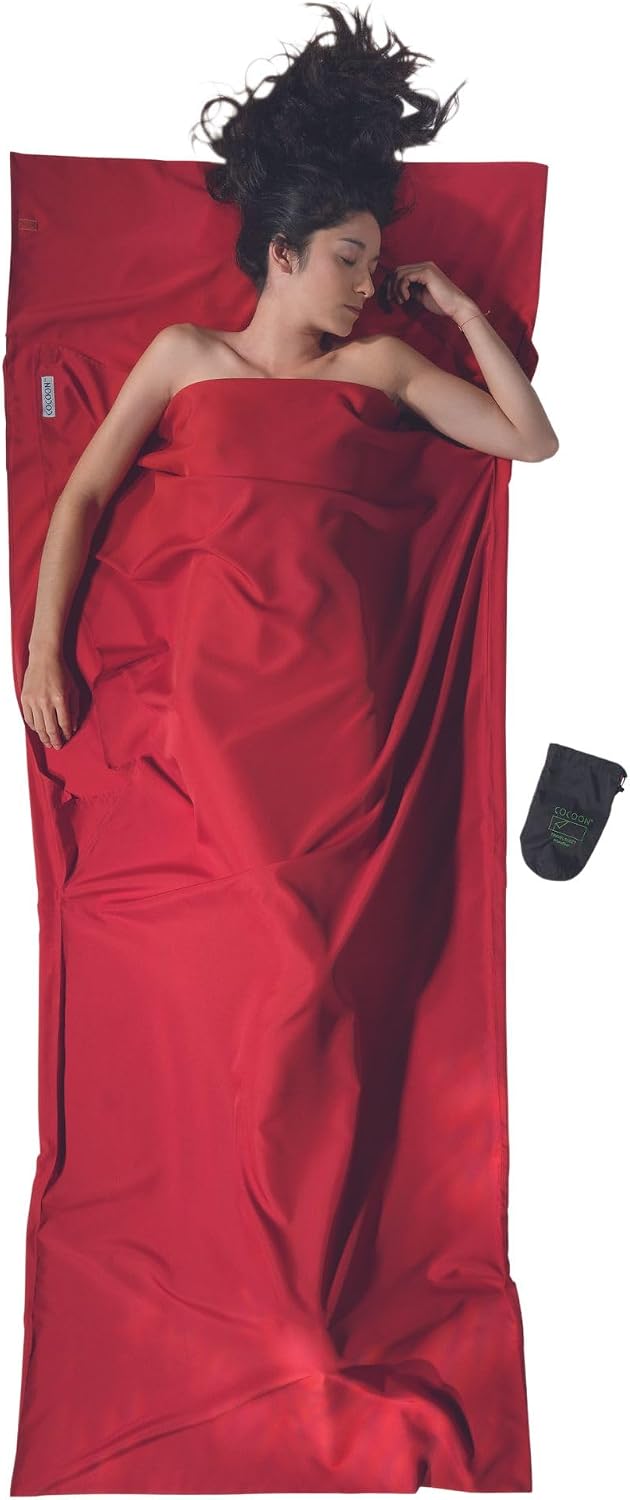 |
COCOON Microfiber TravelSheet | for Hostels and Travel | 85 | Microfiber | Rectangular | 4.5 (282) | $44.95 |
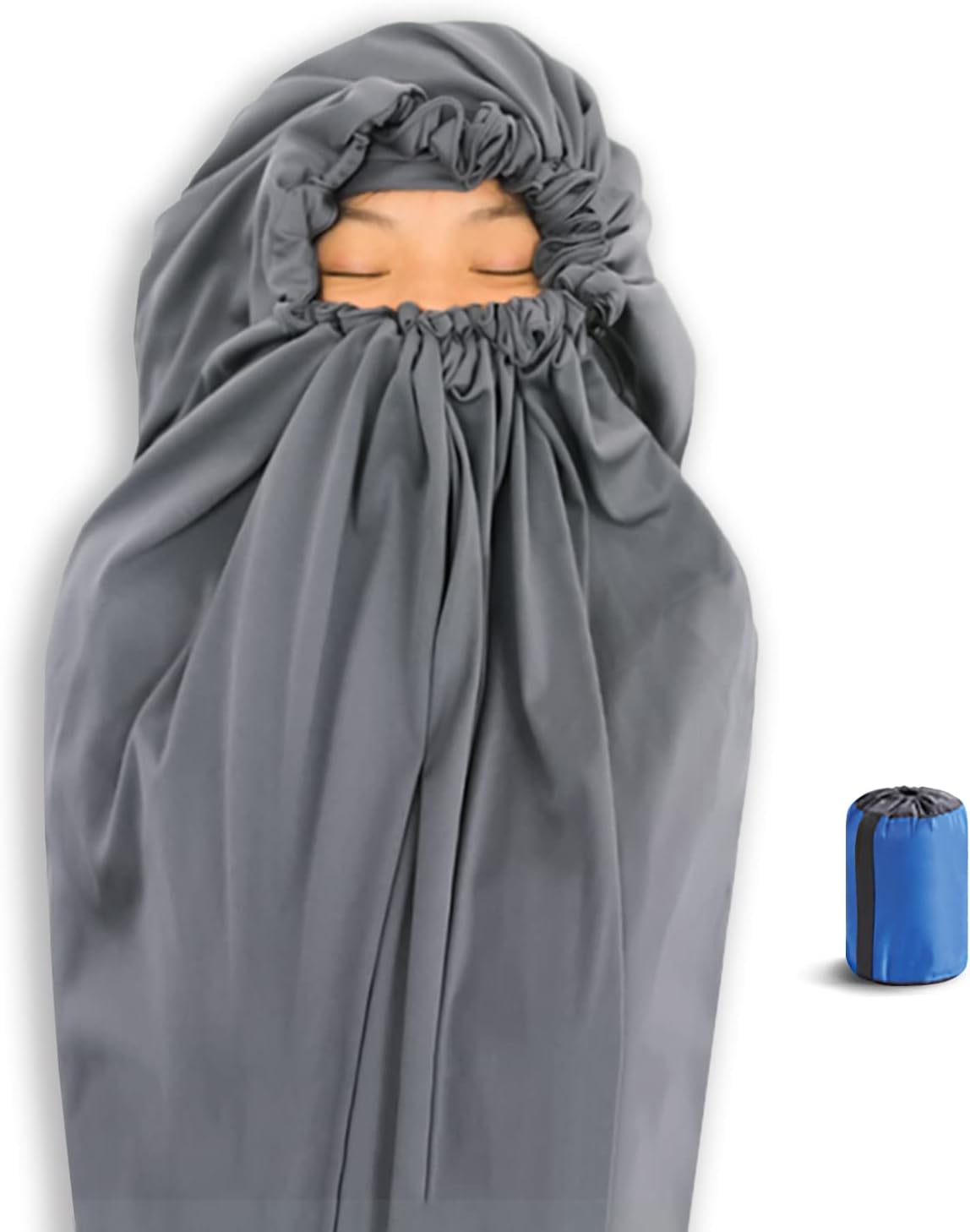 |
Thermolite All Season Sleeping Bag Liner | for Adding Warmth | 84 | Thermolite | Mummy | 4.4 (352) | $53.98 |
 |
Snugpak Fleece Sleeping Bag Liner | Splurge Liner | 84 | Fleece | Rectangular | 4.6 (250) | $89.95 |
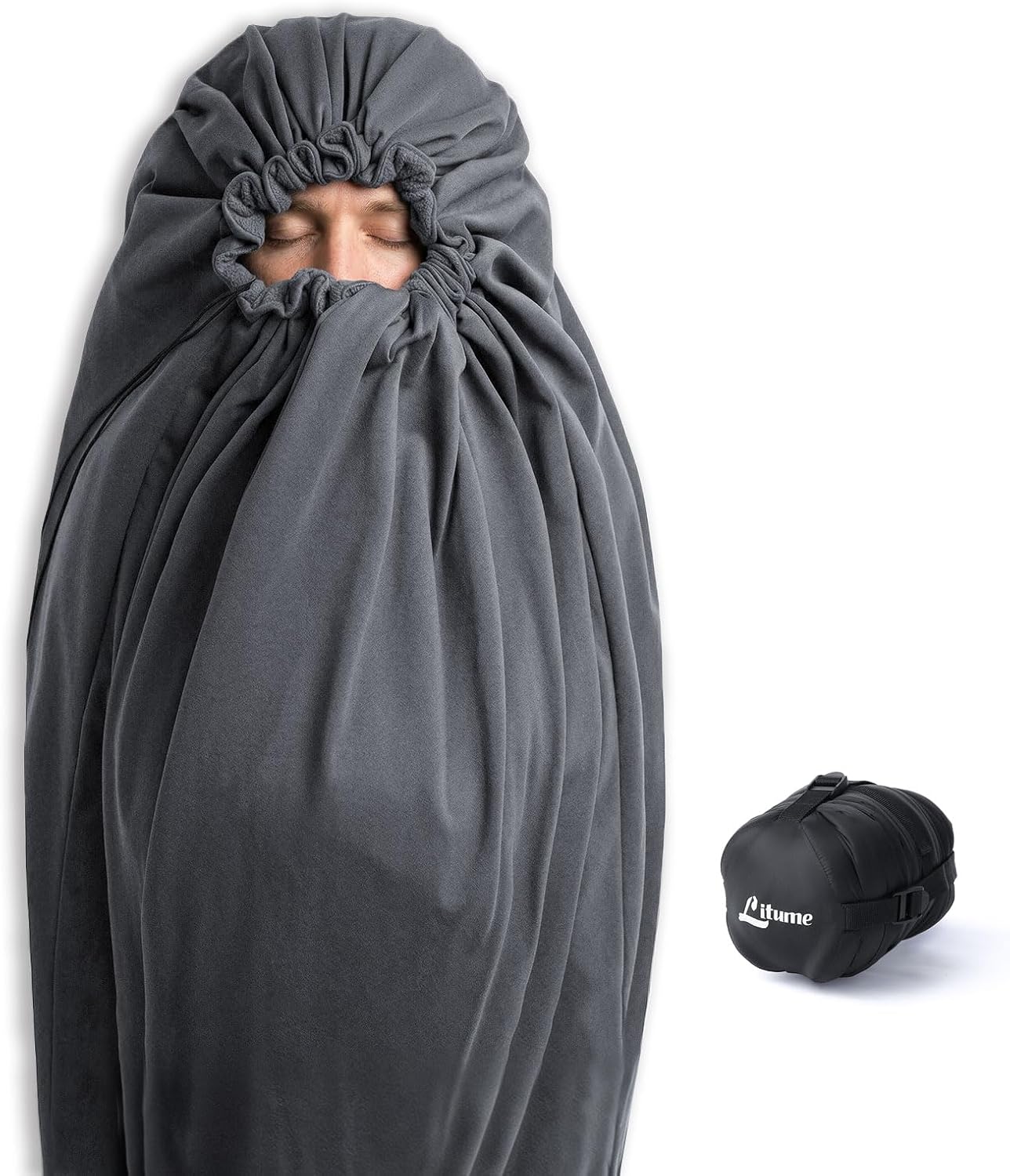 |
Fleece Cold Weather Sleeping Bag Liner | for Cold Weather | 83 | Fleece | Mummy | 4.6 (809) | $57.98 |
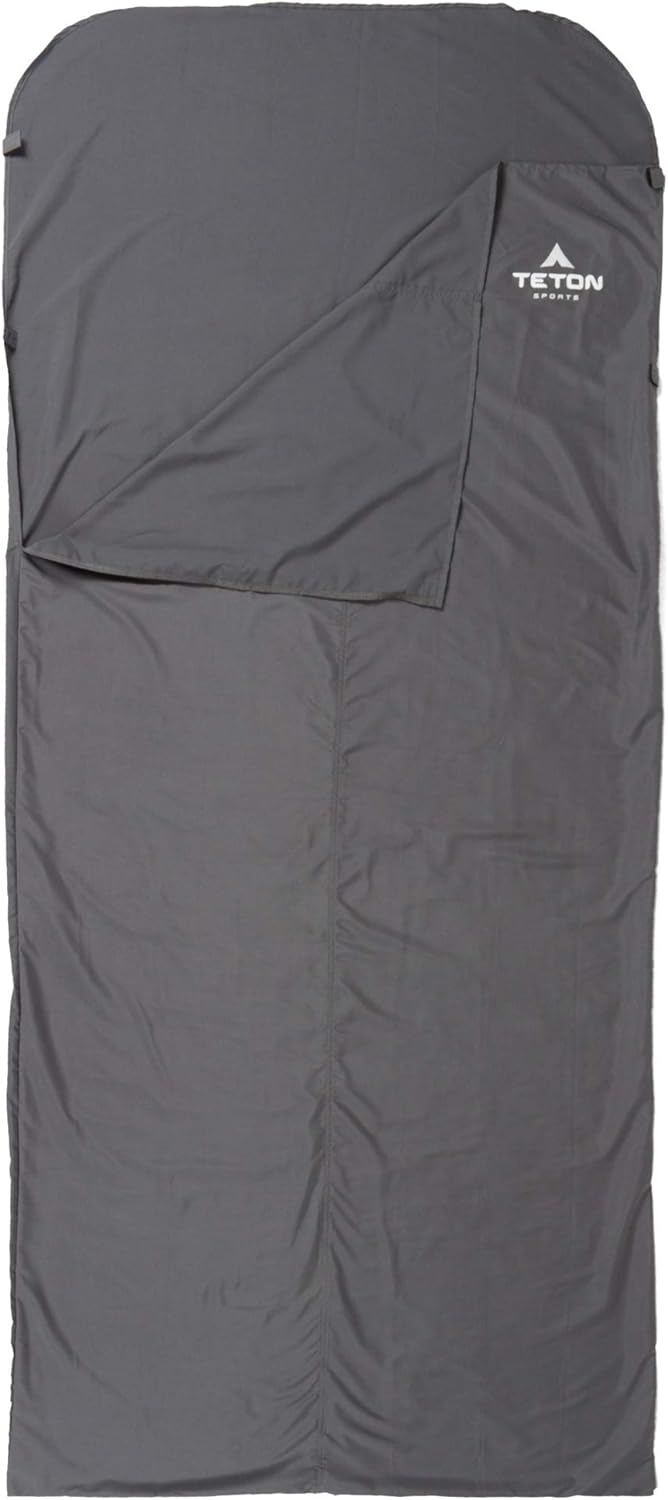 |
TETON Sports Sleeping Bag Liner | Budget Liner | 82 | Poly-cotton | Rectangular | 4.2 (1,628) | $15.04 |
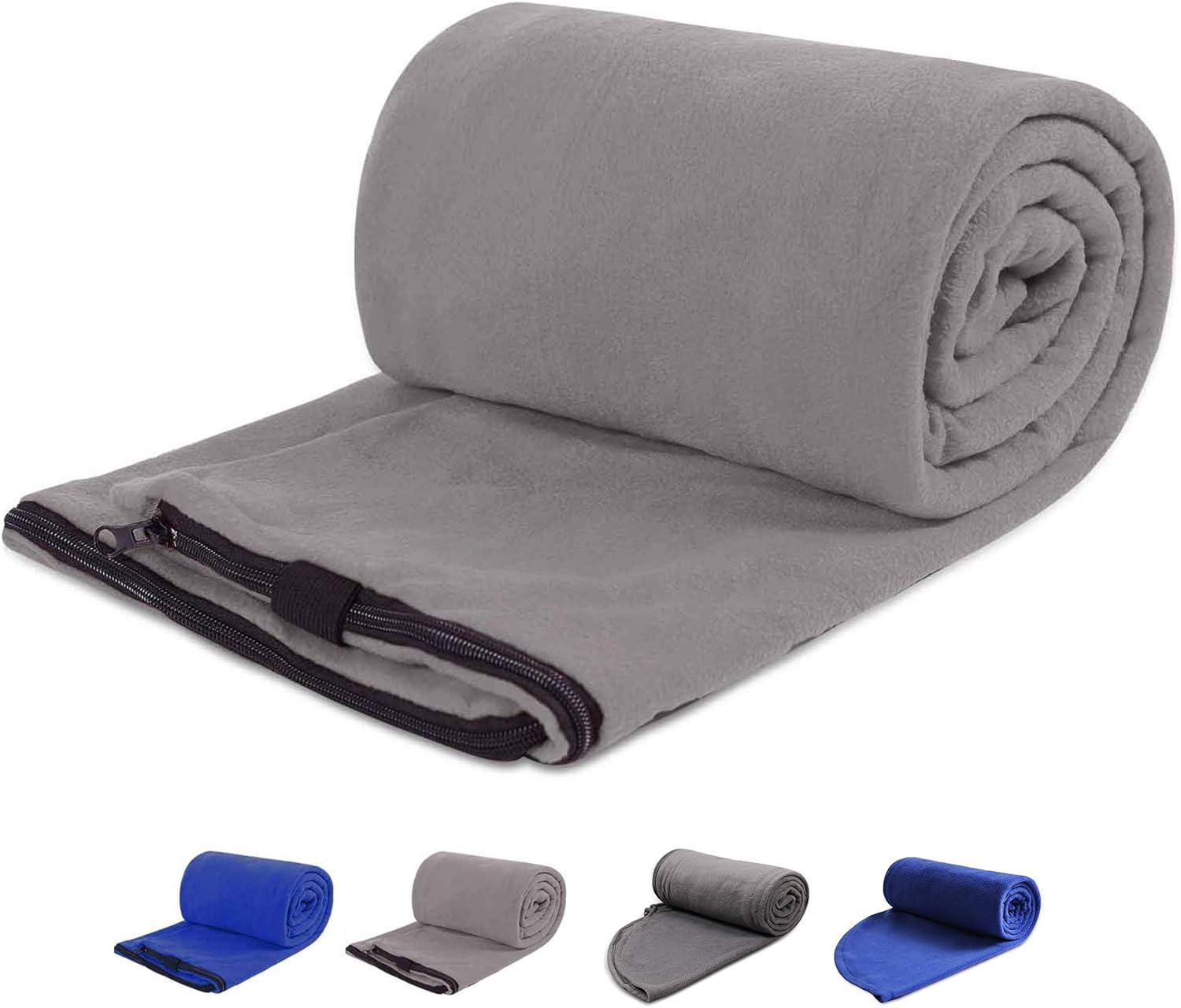 |
REDCAMP Fleece Sleeping Bag Liner | Budget Fleece Liner | 82 | Fleece | Rectangular | 4.6 (340) | $32.99 |
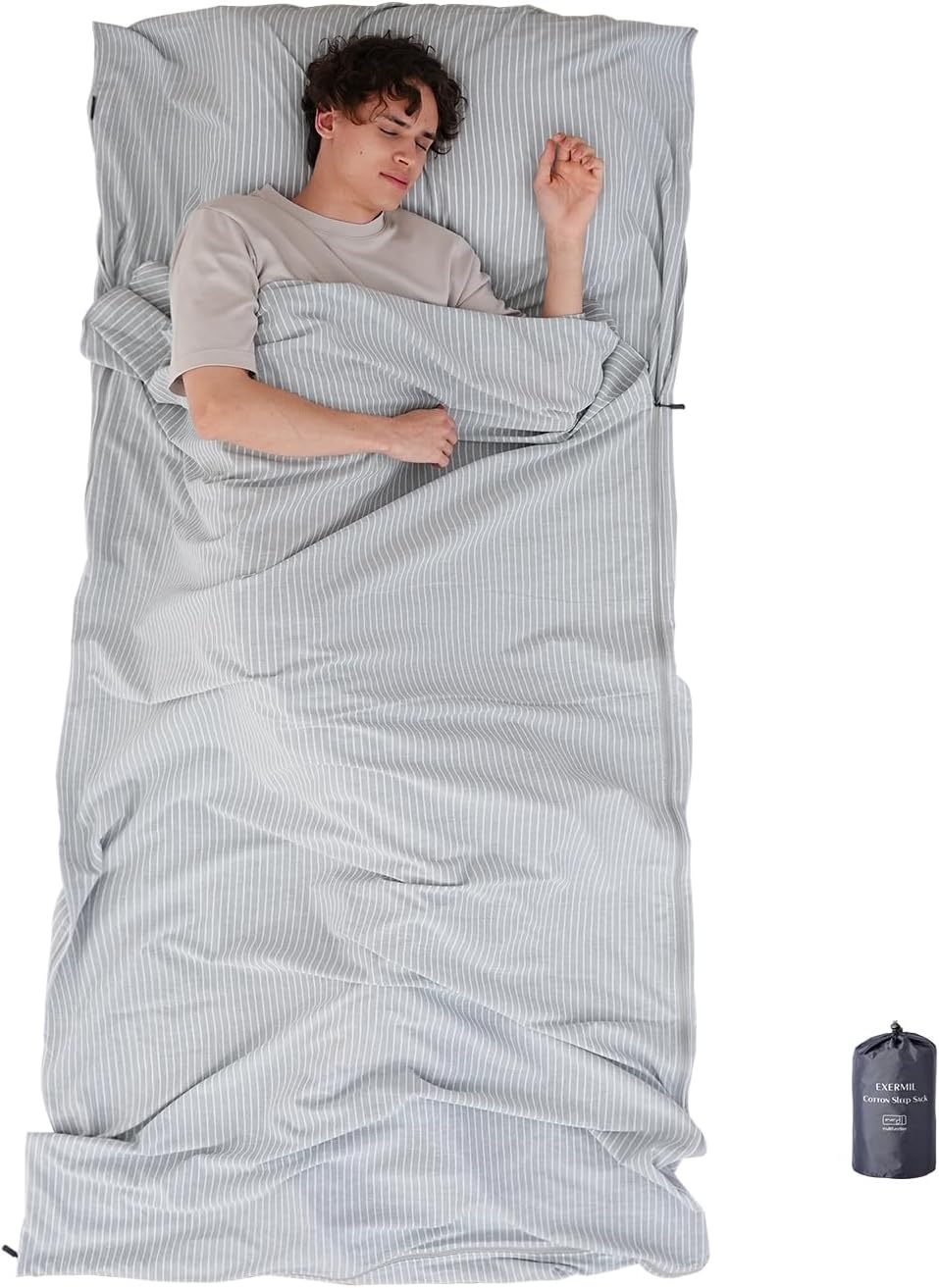 |
Cotton Sleeping Bag Liner with Three-Side Zip | Cotton Liner | 81 | 100% cotton | Rectangular | 4.4 (120) | $39.99 |
Best Sleeping Bag Liner Overall: The Friendly Swede Sleeping Bag Liner
The one to buy if you are only buying one
Pros
- Rectangular cut leaves room to roll over without twisting
- Blend fabric feels closer to bedsheets than to technical nylon
- Three sizes means tall sleepers are not stuck with a short liner
- Washes and dries without pilling or shrinking
Cons
- Bulkier packed than the silk and ultralight synthetics
- Blend holds moisture longer than pure synthetic in humid weather
- Zipper hardware is plastic rather than metal
Roll this one out on a hostel bunk and the first thing you notice is that it does not sound like a liner. No crinkle, no slick nylon slide when you shift. The blend fabric has enough cotton in it to feel like something you would actually sleep in at home, which is the single biggest reason it stays at the top of this list.
The rectangular cut matters more than people expect. Mummy liners save weight but they pin your legs together, and if you are a side sleeper who rolls twice a night you will wake up wrapped like a burrito. This one gives you room to move. That comes at a cost in packed volume, so if you are counting ounces for a long trail this is not your liner.
Who it is for: campers, road trippers, hostel travelers, and anyone adding a washable layer to a sleeping bag they would rather not clean often. Who it is not for: gram counters and anyone sleeping in genuinely cold conditions, where a fleece or Thermolite liner does far more.
| Material | Polyester and cotton blend |
|---|---|
| Shape | Rectangular |
| Closure | Side zip |
| Sizes | Three |
| Packs to | Stuff sack included |
| Machine washable | Yes |
Best Full-Length Zipper: Full-Length Zipper Sleeping Bag Liner
Opens flat into a blanket when the night turns warm
Pros
- Unzips completely into a flat blanket for warm nights
- Brushed face feels softer than standard liner polyester
- Highest rated of the high-volume listings in this category
- Compression sack keeps it small in a pack lid
Cons
- Full-length zipper adds weight and a snag point
- Brushed surface collects lint and pet hair
- No size options, so tall sleepers may find it short
The full-length zipper is the whole argument for this liner. Warm night in the tent, you unzip the thing entirely and it becomes a flat sheet you can throw over your legs. Most liners force you to choose between being inside them or not using them, and this one does not.
The brushed face is a real upgrade over slick liner polyester. It reads as fabric rather than as a technical shell, which is what makes the difference at two in the morning when you are half awake and deciding whether to kick the whole thing off. The trade is lint. It picks up everything, and if you have a dog in the car it will look worn faster than it actually is.
Who it is for: summer campers, van sleepers, anyone in a climate where the temperature swings hard overnight. Who it is not for: winter use or anyone who wants the absolute lightest option, since the zipper hardware runs the length of the liner.
| Material | Brushed polyester |
|---|---|
| Shape | Rectangular |
| Closure | Full-length zip |
| Opens flat | Yes |
| Packs to | Compression sack |
| Machine washable | Yes |
Best Budget Sleeping Bag Liner: TETON Sports Sleeping Bag Liner
A real brand at a price that undercuts the no-names
Pros
- Cheapest pick here and still backed by a real warranty
- Poly-cotton handles repeated washing better than thin synthetics
- Long track record with a large review base behind it
- Fine as a standalone sheet on a warm night
Cons
- Packs noticeably larger than the ultralight options
- Slower to dry than pure synthetic after a wash
- Basic construction with no thoughtful extras
This is the liner you buy when you want to stop thinking about it. TETON has been making these long enough that the pattern is dialed, the seams hold, and the fabric survives the kind of laundering that shreds cheaper liners after a season. Nothing about it is clever. That is sort of the point.
Packed size is where it loses ground. Poly-cotton is bulkier than the synthetics and it will take up more room than a backpacker wants to give. In a car trunk or a duffel that is irrelevant. Strapped to the outside of a pack for a week on the PCT, it starts to feel like a decision you regret.
Who it is for: first-time buyers, families outfitting several people at once, and anyone who wants a washable layer inside a bag that never gets cleaned. Who it is not for: backpackers and anyone whose sleeping setup is already optimized for weight.
| Material | Poly-cotton |
|---|---|
| Shape | Rectangular |
| Closure | Side zip |
| Warranty | Limited lifetime |
| Packs to | Stuff sack included |
| Machine washable | Yes |
Best Ultralight Sleeping Bag Liner: BROWINT Silk Sleeping Bag Liner
The smallest packed size and the coolest sleep here
Pros
- Packs smaller than anything else in this roundup
- Silk breathes in heat and still traps warmth when it drops
- Extra wide cut is unusual for a liner this light
- Feels genuinely pleasant against skin, not merely acceptable
Cons
- Silk snags on rough tent floors and pack zippers
- Hand washing is the safe route, which is a hassle on the road
- By far the highest price per ounce of fabric here
Squeeze this into its sack and it disappears. That is the case for silk and it is a strong one, because the liner you actually carry is the liner that does not cost you pack space. Everything else in this roundup asks you to give up a corner of your bag. This one hides in a lid pocket.
Silk also handles a wide temperature band better than synthetics do. It moves moisture in the heat and holds a little warmth when the night cools, which is why long-distance travelers have used it for decades. It is not tough. Drag it across a gritty tent floor or catch it on a zipper and you will find a snag, and once silk starts it does not stop politely.
Who it is for: thru-hikers, long-term travelers, and anyone whose gear decisions are made in grams and cubic inches. Who it is not for: rough car camping, kids, or anyone who wants to throw a liner in the machine after every trip without thinking twice.
| Material | 100% silk |
|---|---|
| Shape | Envelope |
| Closure | Zip |
| Dimensions | 87 x 43 in |
| Packs to | Roughly fist sized |
| Hand wash | Recommended |
Best for Adding Warmth: Thermolite All Season Sleeping Bag Liner
Turns a three-season bag into a shoulder-season bag
Pros
- Real insulation rather than just a hygiene layer
- Mummy shape follows the bag it goes inside without bunching
- Cheaper than replacing a three-season bag with a winter bag
- Synthetic fill keeps working when it picks up moisture
Cons
- Mummy cut restricts side sleepers who like to move
- Warmth ratings on liners are optimistic across the whole category
- Too warm to use as a standalone sheet in summer
The pitch here is different from every other liner on this page. This is not about keeping your bag clean, it is about buying degrees. Slide it into a three-season bag in October in the Cascades and you get a meaningful stretch out of gear you already own, which is a lot cheaper than a second bag you use four nights a year.
Treat the rated boost as a ceiling, not a promise. Liner warmth claims are measured in conditions that do not match a damp tent at elevation, and the honest range is smaller than the number on the package. It still works, and it works better than stuffing extra clothing in with you, which is what most people do instead.
Who it is for: shoulder-season campers, anyone with a bag rated a little too warm for the trips they keep taking. Who it is not for: summer use, and side sleepers who find mummy cuts claustrophobic.
| Material | Thermolite |
|---|---|
| Shape | Mummy |
| Closure | Zip |
| Rated boost | Up to 22F |
| Packs to | Stuff sack included |
| Machine washable | Yes |
Best for Cold Weather: Fleece Cold Weather Sleeping Bag Liner
The warmest option here, and it feels like it
Pros
- Highest rated warmth boost of anything in this roundup
- Fleece stays comfortable even when it picks up damp
- Doubles as a standalone bag in mild conditions
- Strong rating across a large review base
Cons
- Bulk is genuinely a problem outside a vehicle
- Heavy compared with every synthetic liner here
- Fleece sheds and attracts every bit of debris in a tent
Fleece is the blunt instrument of the liner world. There is no clever fabric technology at work, just loft, and loft is what keeps you warm. Get into a bag with this inside on a cold night and the difference is immediate in a way the thin synthetics never quite deliver.
The cost is space. This packs like a small pillow and there is no compressing your way out of it. In a truck bed or a car camp that is a non-issue. On your back it is the difference between a comfortable load and an annoying one, which is why the Thermolite exists as the lighter alternative.
Who it is for: cold-weather car campers, winter cabin trips, and anyone who runs cold and has given up on being stoic about it. Who it is not for: backpackers, and anyone camping in summer where this becomes unusable.
| Material | Fleece |
|---|---|
| Shape | Mummy |
| Closure | Zip |
| Rated boost | Up to 27F |
| Packs to | Bulky |
| Machine washable | Yes |
Best Budget Fleece Liner: REDCAMP Fleece Sleeping Bag Liner
Most of the fleece warmth for a fraction of the price
Pros
- Same fleece warmth idea at a much lower price
- Rectangular cut is roomier than the mummy fleece options
- Works on its own as a summer bag for kids
- Rating holds up well across a solid review base
Cons
- Rectangular shape leaves cold gaps inside a mummy bag
- Sheds more than the premium fleece liners
- Same bulk problem as every fleece option here
Buying fleece warmth used to mean paying for a brand name. This one undercuts that badly enough to make the premium fleece liners look hard to justify unless you specifically want a mummy cut or a lifetime of use out of it.
The rectangular shape is the real trade. Inside a mummy bag it bunches at the foot and leaves air pockets where the two shapes disagree, and cold finds those pockets. Used as a standalone blanket or inside a rectangular bag it is excellent. Match the shape to what you already own and this is close to unbeatable at the price.
Who it is for: families, kids at summer camp, and anyone who wants fleece without the outlay. Who it is not for: mummy bag owners chasing maximum warmth, where the shape mismatch costs you more than the price saves.
| Material | Fleece |
|---|---|
| Shape | Rectangular |
| Closure | Side zip |
| Doubles as | Standalone bag |
| Packs to | Bulky |
| Machine washable | Yes |
Best for Hostels and Travel: COCOON Microfiber TravelSheet
Built for hostel bunks and overnight trains
Pros
- Built-in pillow pocket turns a jacket into a pillow
- Microfiber dries fast in a hostel bathroom overnight
- Established travel brand with real quality control
- Packs small enough to live permanently in a carry-on
Cons
- Costs more than comparable no-name microfiber liners
- Rectangular cut is not ideal inside a mummy bag
- Microfiber can feel clingy in humid heat
COCOON has been making travel sheets since before most of the listings on this page existed, and it shows in the details. The pillow pocket is the obvious one. Stuff a fleece in it and you have solved the hostel pillow problem, which anyone who has used a communal pillow will pay money to avoid.
Microfiber is the right call for travel specifically. It washes in a sink and dries by morning, which cotton will not do and silk will not survive. That is the whole use case: dirty bunk, unknown sheets, no laundry access, sixteen countries.
Who it is for: backpackers in the hostel sense rather than the trail sense, train travelers, and anyone whose trips involve beds they did not choose. Who it is not for: cold-weather camping, where it adds almost no warmth.
| Material | Microfiber |
|---|---|
| Shape | Rectangular |
| Closure | Pillow pocket |
| Seasons | Three |
| Packs to | Small |
| Machine washable | Yes |
Best Cotton Sleeping Bag Liner: Cotton Sleeping Bag Liner with Three-Side Zip
Zips open on three sides so it works as a sheet or a sack
Pros
- Cotton breathes better than any synthetic in summer heat
- Three-side zip means it opens completely flat
- Available in a double width for couples
- Feels like home bedding rather than camping gear
Cons
- Heaviest and bulkiest liner in this roundup
- Cotton stays wet once it gets damp
- Smallest review base of the picks here
Cotton is the wrong answer for backpacking and the right answer for everything else. On a warm night in a van or a tent at a drive-in site, nothing synthetic feels this good, and the three-side zipper means you can open it completely flat when it gets warm rather than fighting your way out of a sack.
The double width version is the reason to look here specifically. Almost nothing in this category accommodates two people, and couples sharing a double bag are otherwise stuck with two separate liners bunching against each other all night.
Who it is for: car campers, van dwellers, couples, and anyone who values how a fabric feels over what it weighs. Who it is not for: anyone carrying it on their back, and anyone camping where it might get wet and stay wet.
| Material | 100% cotton |
|---|---|
| Shape | Rectangular |
| Closure | Three-side zip |
| Single or double | Both |
| Packs to | Bulky |
| Machine washable | Yes |
Best Splurge Sleeping Bag Liner: Snugpak Fleece Sleeping Bag Liner
Built to outlast the bag you put it in
Pros
- Construction quality is a clear step above the generic fleece liners
- Side zip runs smoothly and does not catch the fleece
- Long-standing brand with a serious military and expedition history
- Holds its loft after seasons of use and washing
Cons
- Costs roughly what a decent sleeping bag costs
- Same bulk and weight penalty as all fleece
- Overbuilt for anyone camping a handful of nights a year
Handle this next to the generic fleece liners and the gap is obvious in about four seconds. The stitching is denser, the zipper runs without snagging the pile, and the fleece itself has a tighter face that does not shed into everything it touches. Snugpak builds for people who use gear hard and expect it back next season.
Whether that is worth the outlay depends entirely on how much you camp. Four nights a year and the budget fleece does the same job. Forty nights a year across a decade and this is the cheaper purchase, because it is still going and the others are not.
Who it is for: heavy users, cold sleepers, and anyone building a kit they intend to keep. Who it is not for: occasional campers, backpackers, and anyone for whom this price would be better spent upgrading the sleeping bag itself.
| Material | Fleece |
|---|---|
| Shape | Rectangular |
| Closure | Side zip |
| Brand origin | United Kingdom |
| Packs to | Bulky |
| Machine washable | Yes |
How to Choose a Sleeping Bag Liner
Four decisions cover almost every case. Work through them in this order and the shortlist gets very short very quickly.
Start with how you travel
If the liner rides in a car, fleece and cotton are on the table and packed size stops mattering. If it rides on your back, silk and ultralight synthetics are the only sensible answers. This single question eliminates more than half the market before you look at anything else.
Match the shape to your bag
A rectangular liner inside a mummy bag bunches at the foot and opens air pockets where the shapes disagree. Cold finds those pockets. Mummy liner for a mummy bag, rectangular for rectangular or for standalone use. Shape mismatch undoes more warmth than fabric choice adds.
Decide whether you want warmth or hygiene
Thin silk and synthetic liners are hygiene layers that happen to add a little warmth. Fleece and Thermolite liners are insulation that happens to keep your bag clean. Buying the wrong category is the most common mistake, and it is usually someone expecting a travel sheet to save a cold night.
Check how you will wash it
The entire argument for a liner is that washing it is easier than washing a bag. Silk needs hand washing, which undercuts that argument on a long trip. Synthetics and cotton go in a machine. If you are traveling without laundry access, fast-drying microfiber earns its place.
How We Picked
We screened every sleeping bag liner listing that met a minimum rating and review threshold, then narrowed to ten that cover the real spread of fabrics, shapes, and price tiers rather than ten variations on the same synthetic sheet.
No brand paid for placement here. Every link is an affiliate link, which means Oregon Tails earns a commission if you buy, at no additional cost to you. Read our full gear testing standards and affiliate disclosure.
Sleeping Bag Liner FAQ
The questions readers send most often, answered without the marketing gloss.
What does a sleeping bag liner actually do?
A liner does three jobs. It keeps body oils, sweat, and dirt off the inside of your sleeping bag, which matters because most bags cannot be washed often without damaging the insulation. It adds a measurable amount of warmth, from a little with a thin silk sheet to a lot with fleece. And it works on its own as a lightweight sheet in summer or on a bunk you would rather not touch directly. For the full explanation, see our guide to what a sleeping bag liner is.
How much warmth does a sleeping bag liner really add?
Less than the packaging suggests. Manufacturers test in controlled conditions that do not resemble a damp tent at elevation, so treat the rated boost as a ceiling. A silk or thin synthetic liner adds a small amount, enough to notice on a marginal night. A Thermolite or fleece liner adds meaningfully more and can genuinely extend a bag into shoulder season. Nothing here turns a summer bag into a winter bag.
Silk, cotton, fleece, or synthetic: which should I choose?
Silk if you are counting grams and packed size, because nothing else compresses that small. Fleece if warmth is the priority and you are traveling by vehicle, because it is warm and bulky in equal measure. Cotton if comfort in warm weather matters more than weight. Synthetic and blends if you want the middle path with easy machine washing. Match the fabric to how you travel rather than to what sounds best.
Do sleeping bag liners work in mummy bags?
Only if the shapes match. A rectangular liner inside a mummy bag bunches at the foot and creates air pockets where the two shapes disagree, and cold settles in those pockets. Buy a mummy liner for a mummy bag. Rectangular liners are better suited to rectangular bags, standalone summer use, or hostel bunks.
How do I wash a sleeping bag liner?
Most synthetic, cotton, and fleece liners go in a machine on a gentle cycle with mild detergent and air dry without trouble. Silk is the exception and is safest hand washed in cool water. Washing the liner rather than the bag is the entire point of owning one, so do it often. If the bag itself needs attention, follow our guide on how to wash a sleeping bag.
Is a sleeping bag liner worth it for backpacking?
Yes, if you pick the right one. A silk or ultralight synthetic liner costs you almost no pack space and buys you a cleaner bag over a long trip plus a small warmth margin. A fleece or cotton liner is the wrong choice on your back and will feel like a mistake by day two. The weight penalty is the entire decision.
Can I use a sleeping bag liner on its own?
Absolutely, and it is one of the better reasons to own one. On a warm night a liner is all the cover you need, and a rectangular liner that unzips flat works as a blanket. Hostel travelers use them this way almost exclusively, skipping the sleeping bag entirely and carrying only the liner.