The Best Hiking Boots for Wide Feet
Twelve boots that come in genuine wide and extra wide sizing. Not standard boots you size up in, which adds length instead of width and costs you toenails on the first long descent.

Our Top Picks at a Glance
Four boots cover most wide feet. The rest of this page exists for extra wide sizing, pack weight, and women, where the options thin out fast.
Full comparison table: best hiking boots for wide feet
Full comparison table: best hiking boots for wide feet 2026. Sort by trail score, rating, or price. On smaller screens the table scrolls sideways so every column stays readable.
| Boot | Award | Trail score | Upper | Widths | Rating | Price | |
|---|---|---|---|---|---|---|---|
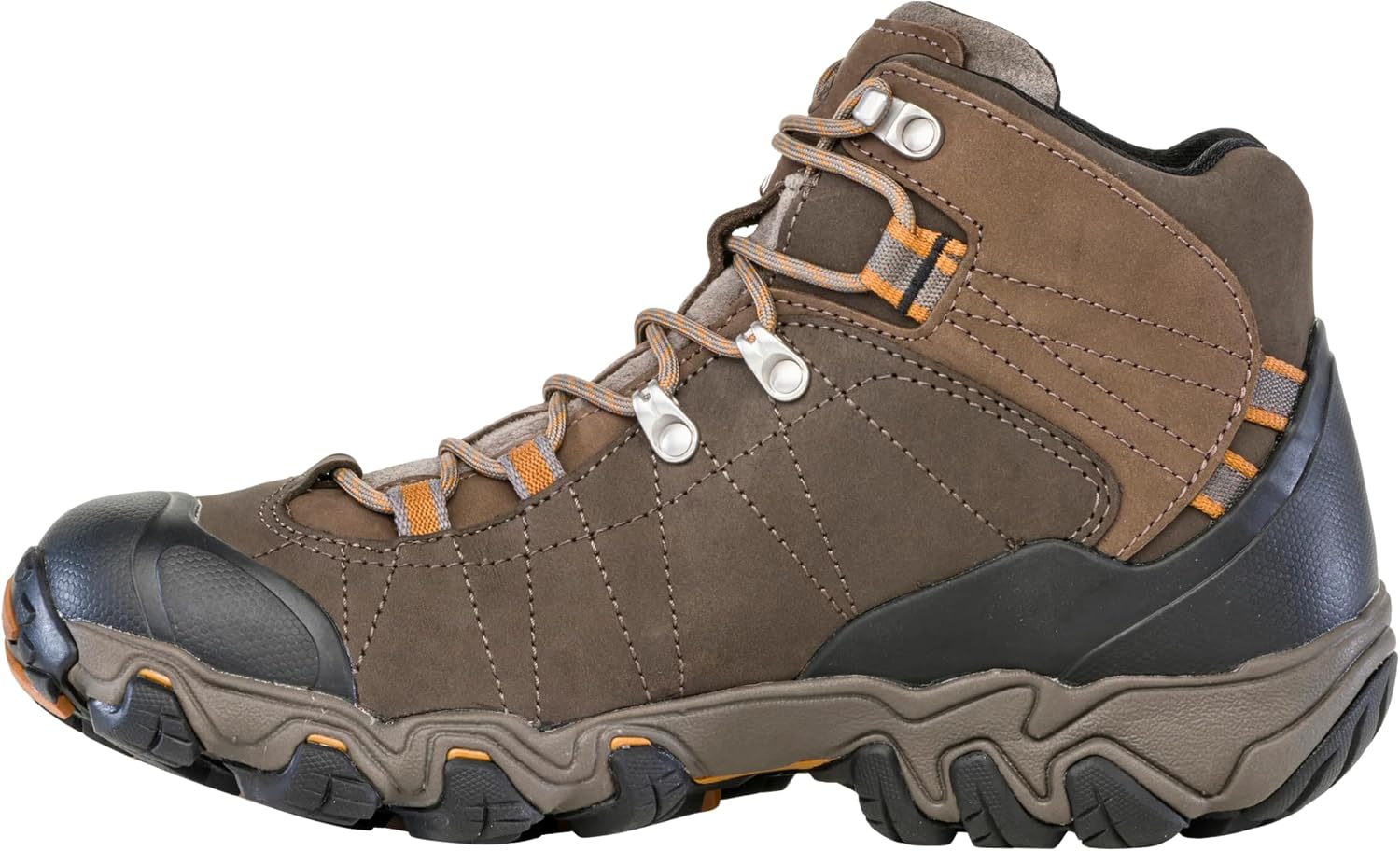 |
Oboz Bridger Mid B-DRY | Wide Boot for Backpacking | 89 | Nubuck leather | Wide | 4.5 (1,285) | $220.00 |
 |
KEEN Targhee II Mid Waterproof Wide | Hiking Boot for Wide Feet Overall | 88 | Nubuck leather | Wide and extra wide | 4.2 (13,833) | $135.00 |
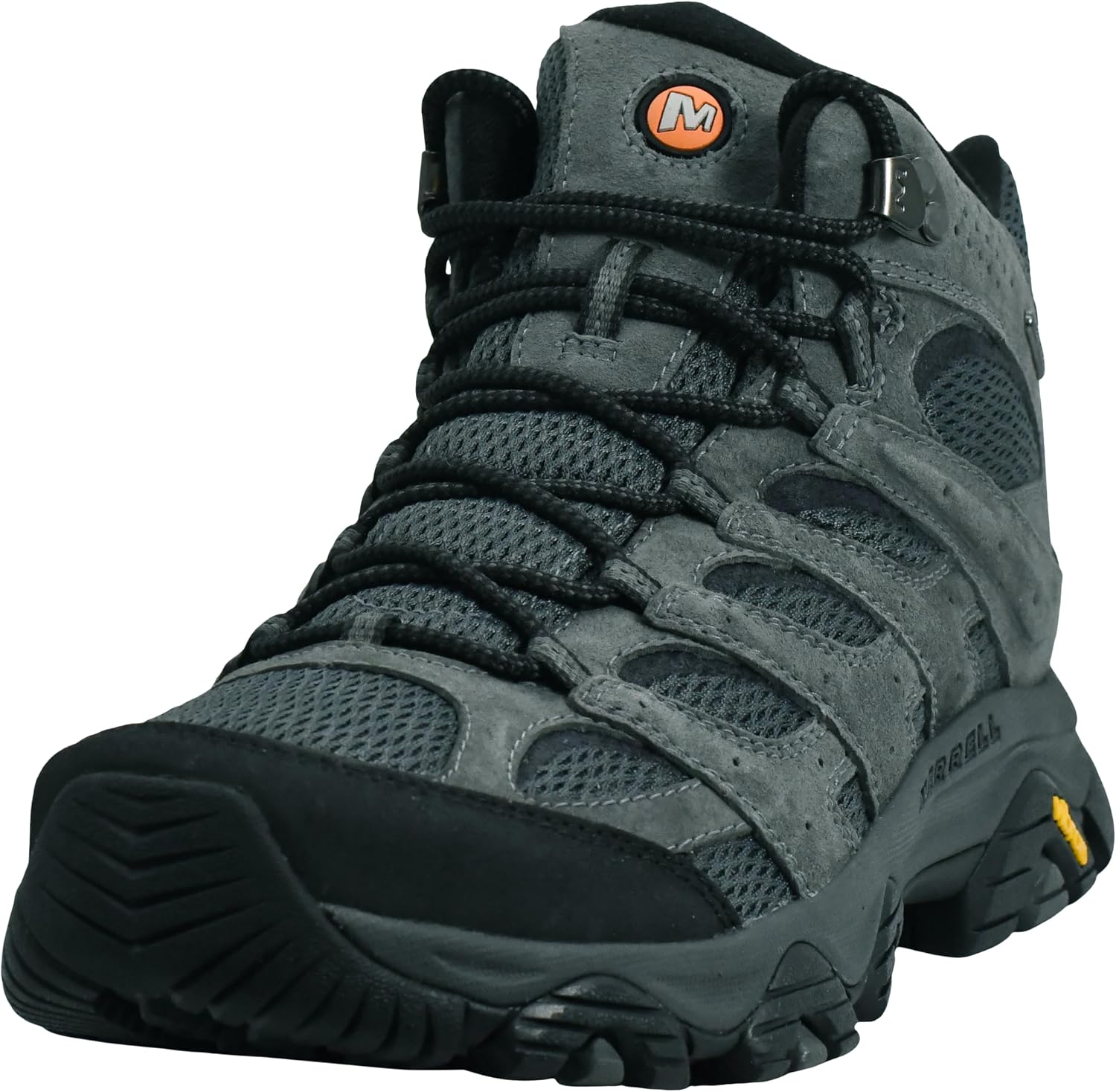 |
Merrell Moab 3 Mid Waterproof Wide | Out-of-Box Comfort | 83 | Suede and mesh | Wide | 4.5 (5,215) | $139.99 |
 |
Merrell Moab 3 Mid Waterproof Women’s Wide | Wide Hiking Boot for Women | 83 | Suede and mesh | Wide | 4.5 (3,943) | $89.61 |
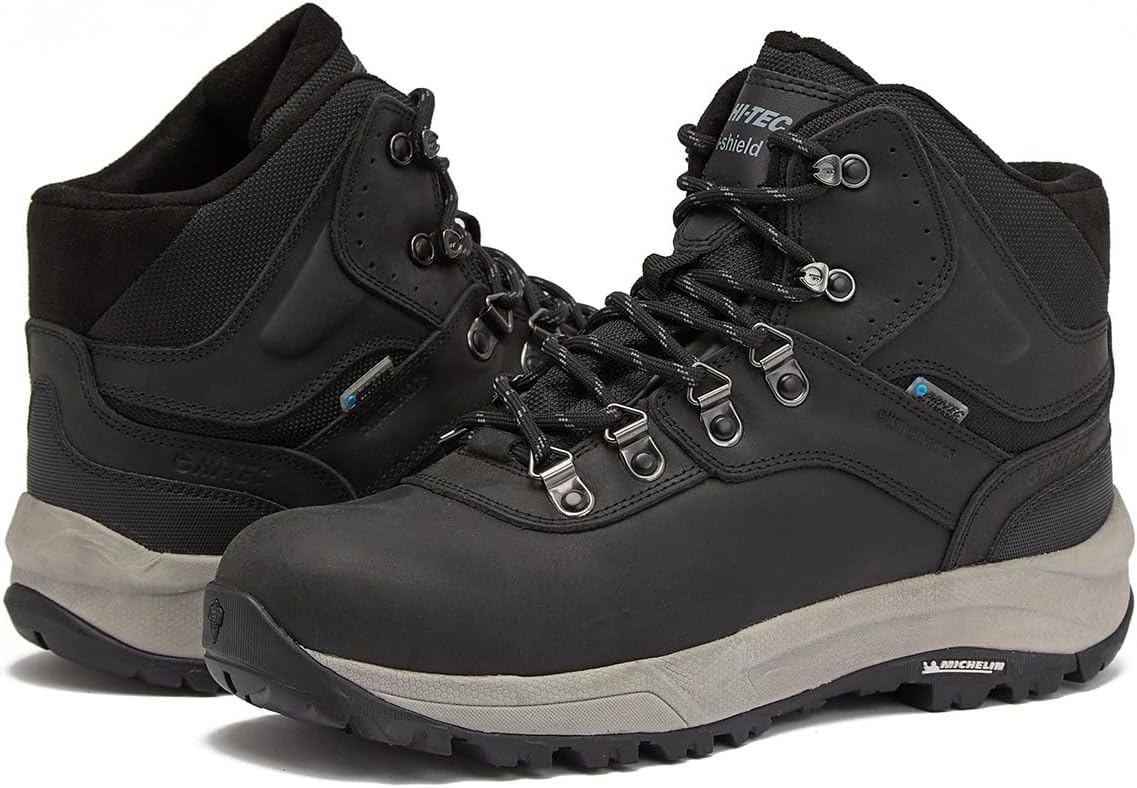 |
Hi-Tec Altitude VI Waterproof Wide | Wide Leather Under $100 | 82 | Full-grain leather | Wide | 4.5 (868) | $79.98 |
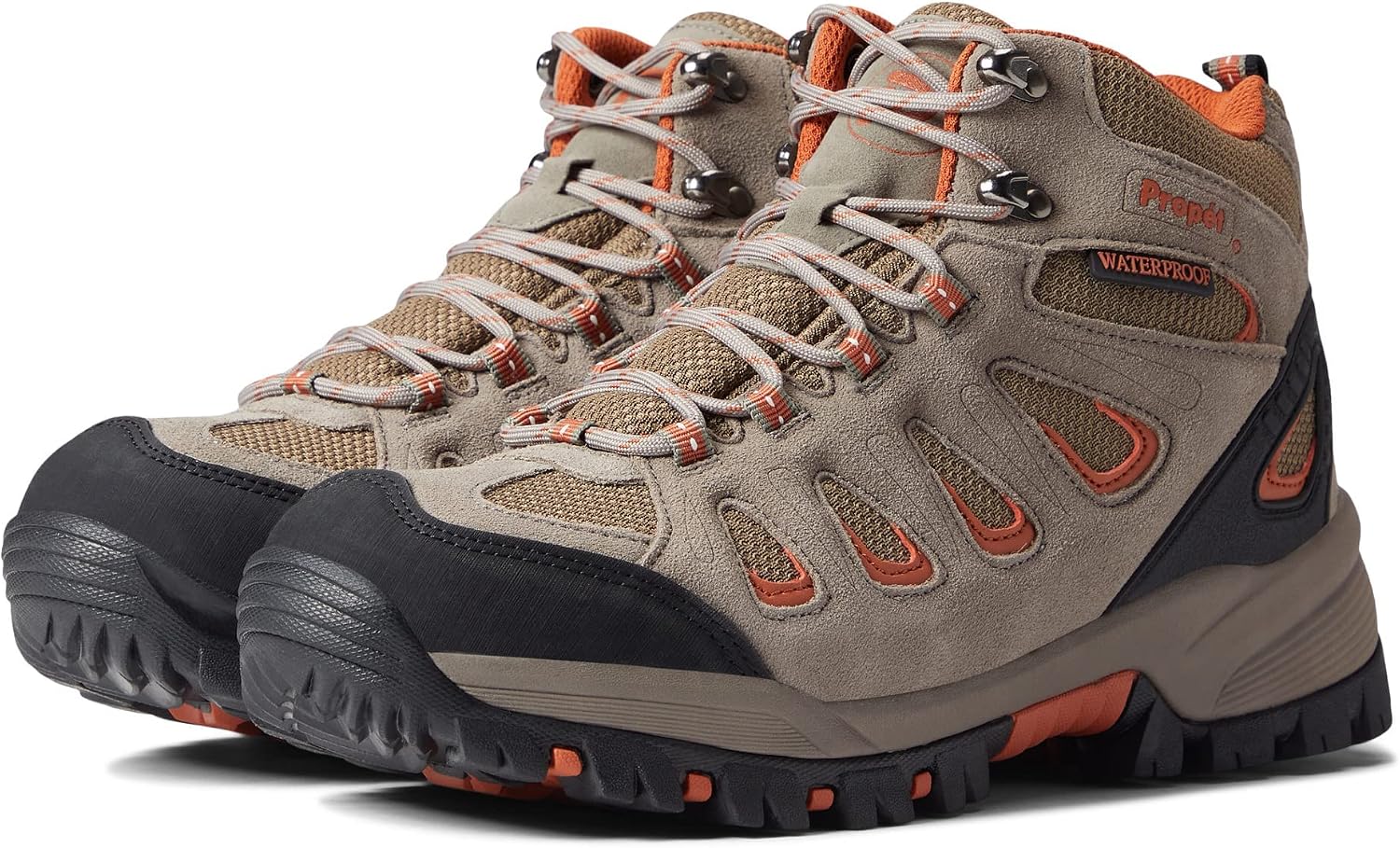 |
Propet Ridge Walker | for Extra Wide Feet | 81 | Full-grain leather | Wide, extra wide, 5E | 4.2 (2,668) | $109.95 |
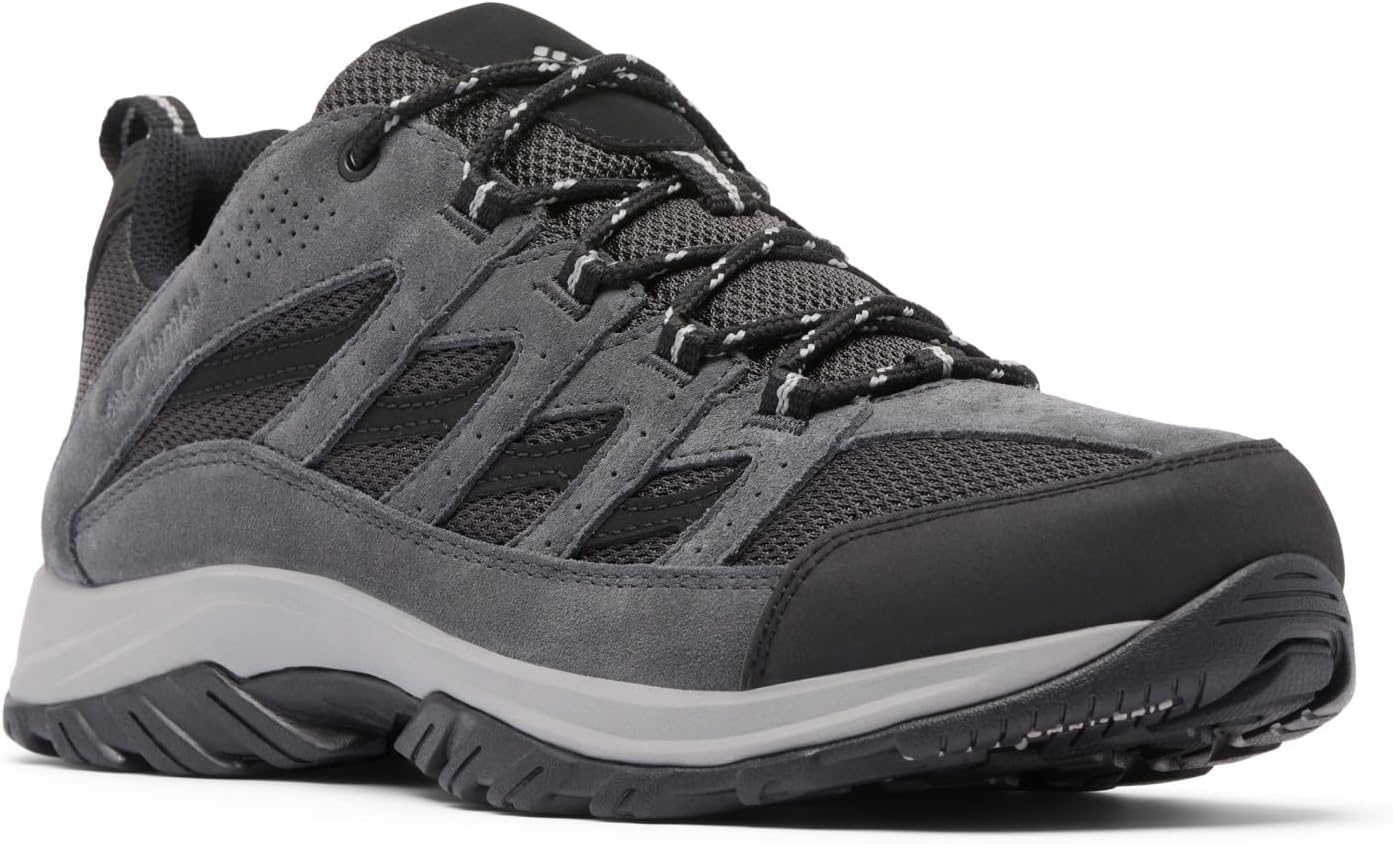 |
Columbia Crestwood Wide | Budget Wide Hiking Boot | 80 | Suede and mesh | Wide | 4.5 (15,387) | $79.27 |
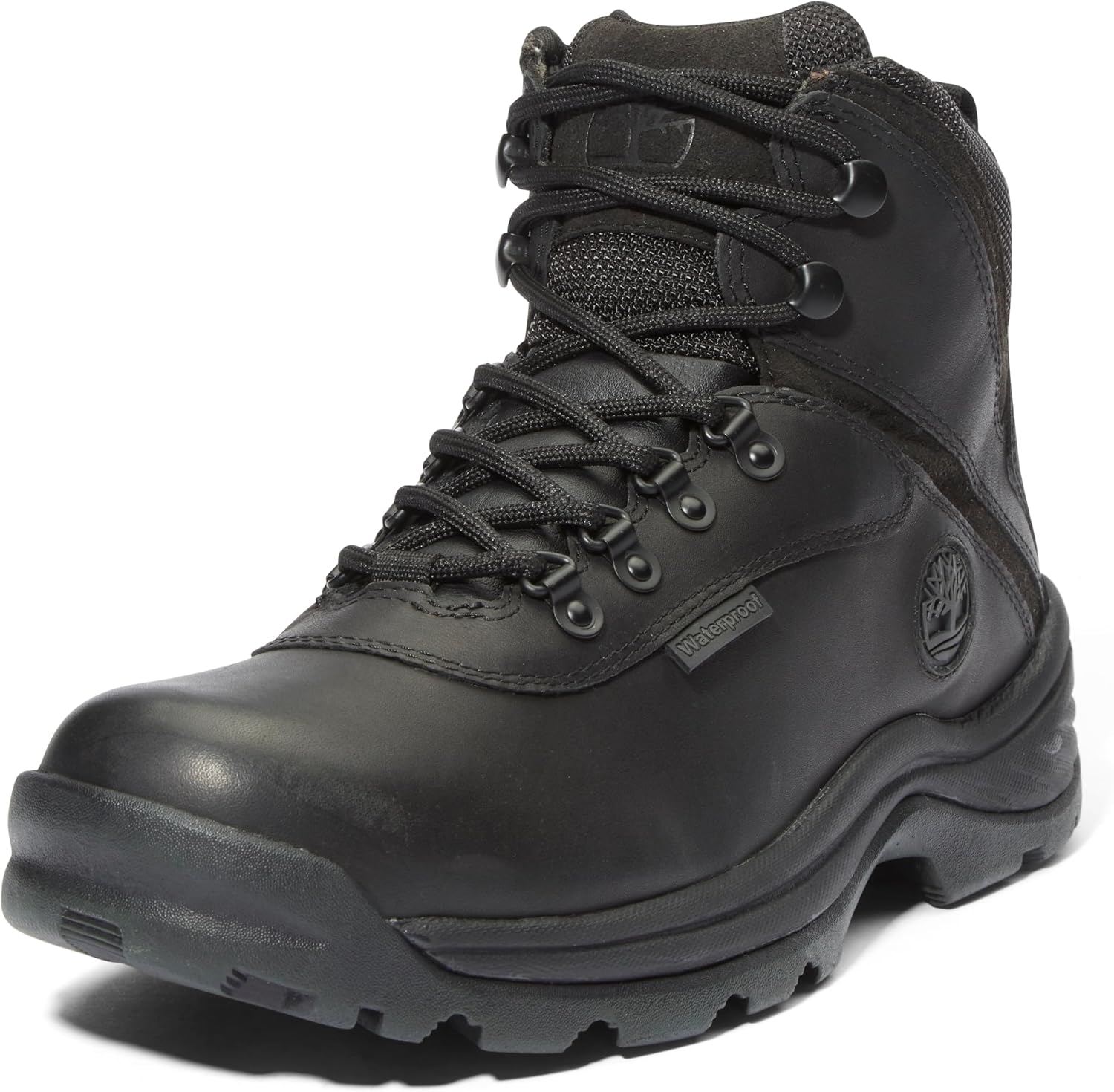 |
Timberland White Ledge Mid Wide | Full-Grain Value | 80 | Full-grain leather | Wide | 4.5 (67,819) | $119.95 |
 |
Merrell Moab 3 Hiking Shoe Wide | Low-Cut Wide Option | 80 | Suede and mesh | Wide | 4.6 (15,125) | $123.99 |
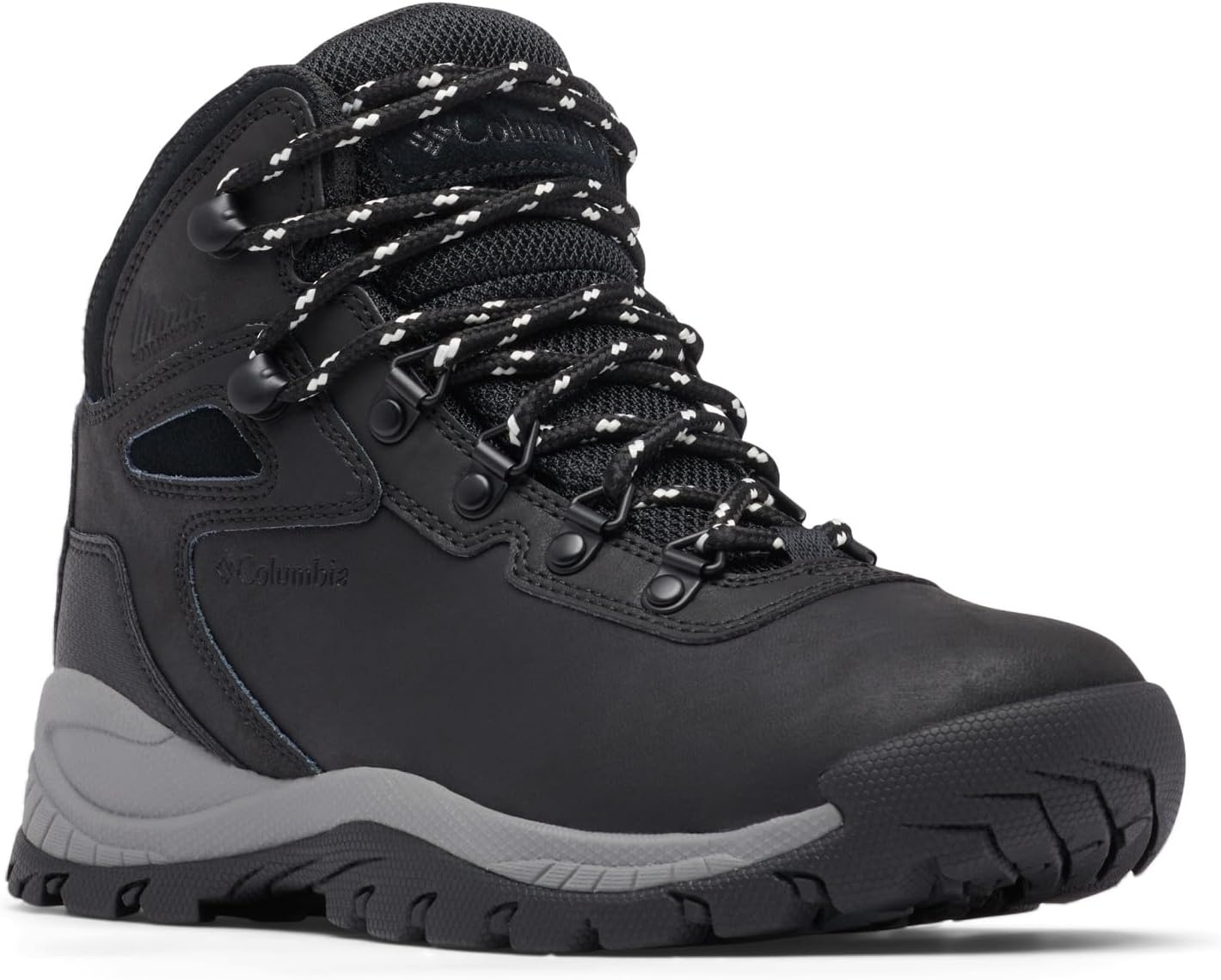 |
Columbia Newton Ridge Plus Women’s Wide | Women’s Wide Leather Boot | 80 | Suede leather | Wide | 4.6 (1,956) | $109.99 |
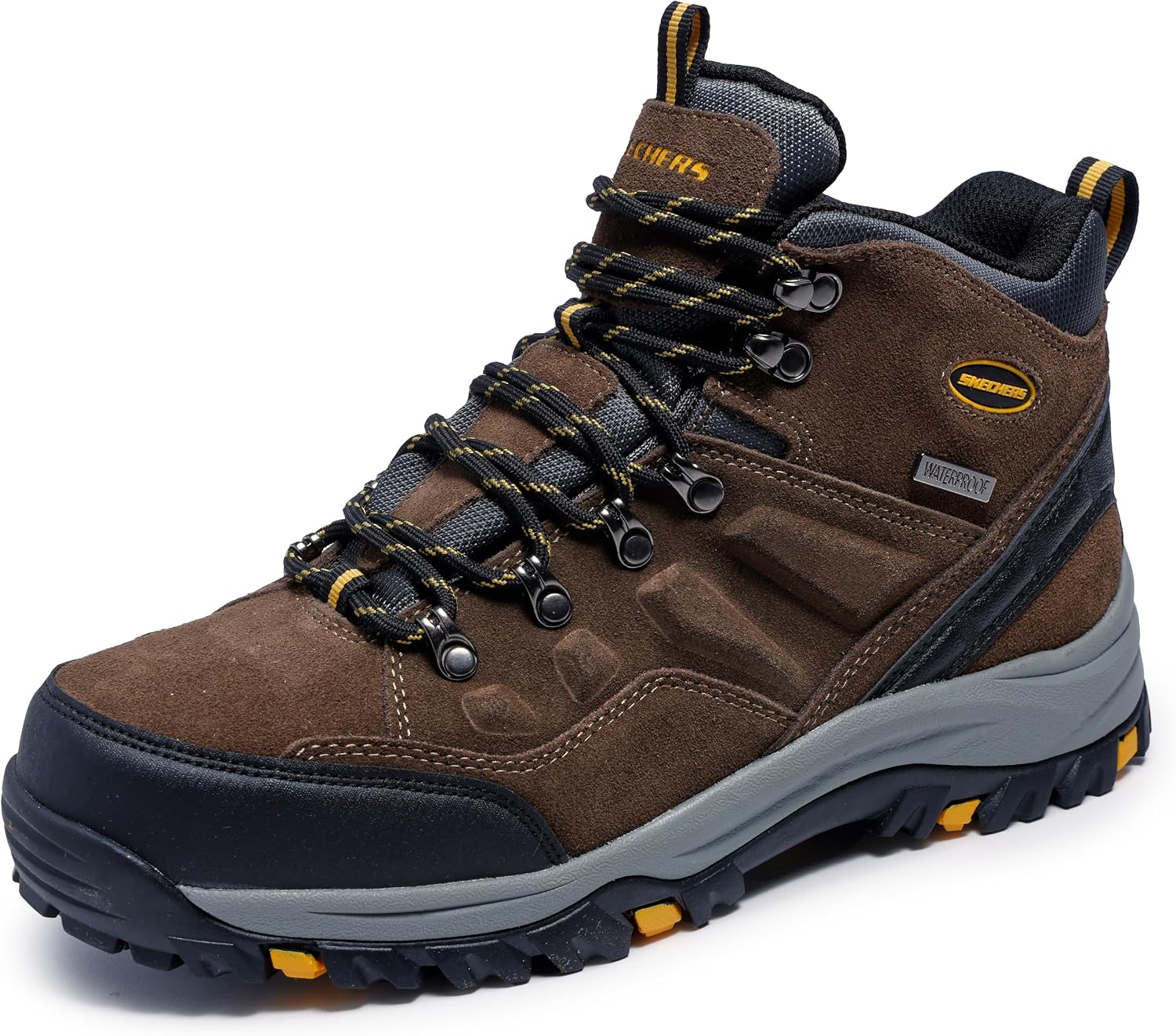 |
Skechers Relment Pelmo Wide | for Casual Wear | 78 | Suede leather | Wide and extra wide | 4.5 (22,096) | $75.98 |
 |
NORTIV 8 Ankle High Waterproof Wide | Wide Boot Under $60 | 76 | Synthetic | Wide | 4.4 (23,514) | $59.99 |
Best Hiking Boot for Wide Feet Overall: KEEN Targhee II Mid Waterproof Wide
The brand that built its reputation on not pinching your toes
Pros
- Widest forefoot of anything here without turning into a clown shoe
- Heel is held firmly despite all the volume up front
- Nubuck upper rather than the mesh most wide boots default to
- Available in extra wide, which very few outdoor brands offer
Cons
- Lowest owner rating on this page, almost entirely on sizing confusion
- Genuinely unsuitable for narrow feet, which is the point
- Heavier than the synthetic options here
KEEN built a business on the observation that most hiking boots are shaped for feet that do not exist. The Targhee is the clearest expression of that. The forefoot is enormously roomy and the toe box is squared rather than tapered, which is why people with bunions and splayed toes talk about this boot the way they talk about a good doctor.
What makes it work rather than just loose is the heel. Plenty of wide boots solve width by being wide everywhere, and then your foot slides forward on every descent. This one narrows properly through the heel pocket, so the volume stays where you need it. That combination is rarer than it sounds.
The rating deserves explaining rather than glossing. It sits lower than everything else here and the complaints are about sizing, not construction. KEEN’s last is unlike anything else, so people order their usual size and get it wrong. Order two and send one back, or read how hiking boots should fit first.
| Upper | Nubuck leather |
|---|---|
| Widths | Wide and extra wide |
| Waterproofing | KEEN.DRY |
| Outsole | KEEN All-Terrain |
| Cut | Mid |
| Break-in | Moderate |
Best Out-of-Box Comfort: Merrell Moab 3 Mid Waterproof Wide
No break-in, which matters more when your feet are already unhappy
Pros
- No break-in at all, so there is no period of hoping it stretches
- Mesh panels give slightly under pressure where leather would not
- Vibram outsole at a price where most wide boots use house rubber
- Stocked in wide almost everywhere, so trying them on is realistic
Cons
- Mesh panels wear through well before the outsole does
- Only one width beyond standard, with nothing for extra wide feet
- Support fades quickly under pack weight
When your feet are wide you have usually spent years being told to break boots in and then discovered that leather stretches in length before it stretches in width. The Moab sidesteps that entirely. There is no break-in, no hoping, no two weeks of hot spots that may or may not resolve. It fits on day one or it does not.
The mesh panels help here in a way they do not on other pages. Fabric gives under pressure where a leather panel simply presses back, so a foot that is marginally wider than the last still gets accommodated. That same mesh is why the boot has a shorter life than the leather options, which is the trade.
Who it is for: wide feet that are moderately rather than extremely wide, day hikers, anyone who needs boots that work immediately. Who it is not for: extra wide feet, where the single wide option runs out, and backpackers needing support under load.
| Upper | Suede and mesh |
|---|---|
| Widths | Wide |
| Waterproofing | M Select Dry |
| Outsole | Vibram TC5+ |
| Cut | Mid |
| Break-in | None |
Best Budget Wide Hiking Boot: Columbia Crestwood Wide
Wide sizing at a price where wide sizing usually disappears
Pros
- Cheapest genuine wide-fit boot from a real brand on this page
- Very light, which suits people who find wide boots clunky
- Large review base gives unusually reliable sizing feedback
- Breathes well in summer heat
Cons
- This version is not waterproof, which limits it badly in Oregon
- Thin construction with a short expected life
- Minimal support once you carry anything meaningful
Wide sizing tends to vanish below a hundred dollars, because it costs money to tool a second last and budget brands skip it. Columbia does not, and the Crestwood is the result. For someone who has been squeezing into standard-width boots because the wide options were all expensive, this is the obvious first purchase.
Check the version carefully before you order. The Crestwood exists in both waterproof and non-waterproof builds and this one is the latter, which in a wet Oregon spring is a real limitation. It is a warm dry weather boot, and priced like one.
Who it is for: tight budgets, summer hiking, and anyone testing whether a wide last actually solves their problem before spending more. Who it is not for: wet conditions, pack weight, and anyone hiking often enough to wear it out quickly.
| Upper | Suede and mesh |
|---|---|
| Widths | Wide |
| Waterproofing | None on this model |
| Outsole | Techlite |
| Cut | Mid |
| Break-in | None |
Best Wide Boot for Backpacking: Oboz Bridger Mid B-DRY
The one here built to carry a loaded pack
Pros
- The only pick here with a shank stiff enough for real pack weight
- Heel lock is the best on this page, which matters most on descents
- Insole is unusually good out of the box, so no aftermarket purchase needed
- Nubuck upper handles brush and scree without looking destroyed
Cons
- Most expensive boot here by a clear margin
- Stiffness is overkill for casual day hiking
- Wide sizing sells out and can be hard to find in stock
Almost every wide-fit hiking boot is a day hiking boot, because the brands making serious backpacking boots tend to build narrow European lasts and stop there. Oboz is the exception, and the Bridger is what wide-footed backpackers end up in after cycling through everything else.
The thing worth paying for is the heel. Under a loaded pack on a long descent, a boot that lets your foot slide forward will take your toenails, and wide boots are especially prone to it because the extra volume has to end somewhere. Oboz gets the heel pocket right, which is why this scores highest here on hold.
Who it is for: wide-footed backpackers, multi-day trips, anyone carrying weight over rough ground. Who it is not for: casual hikers, tight budgets, and anyone who will never use this much boot.
| Upper | Nubuck leather |
|---|---|
| Widths | Wide |
| Waterproofing | B-DRY |
| Outsole | Oboz Sawtooth |
| Cut | Mid |
| Break-in | Moderate |
Best Full-Grain Value: Timberland White Ledge Mid Wide
Full-grain leather in wide sizing, which is a rare combination
Pros
- Full-grain leather in a wide fit, which almost nothing else offers here
- Will outlast every mesh boot on this page by a wide margin
- Review base is larger than anything else in the category
- Leather relaxes slightly with wear, which helps marginal fits
Cons
- Needs a proper break-in, unlike the mesh options
- Lugs pack with mud and clear slowly
- Built for maintained trail rather than serious terrain
Wide sizing and full-grain leather rarely appear together, because the brands that tool wide lasts tend to be building comfort footwear and the brands using full-grain tend to be building narrow mountain boots. Timberland sits in the overlap, and if durability matters to you this is the pick.
Leather also behaves differently on a wide foot than mesh does. It does not give immediately but it does relax and take a shape over a few weeks, which means a fit that is close but not perfect on day one often becomes right by week three. Mesh never does that. It fits or it does not.
Who it is for: wide feet on maintained trail who want a boot that lasts, and anyone whose fit is close enough that leather will finish the job. Who it is not for: people who need boots ready this weekend, and hikers on steep muddy ground.
| Upper | Full-grain leather |
|---|---|
| Widths | Wide |
| Waterproofing | Seam-sealed |
| Outsole | Rubber lug |
| Cut | Mid |
| Break-in | Moderate |
Pros
- Available up to 5E, far beyond anything an outdoor brand offers
- Removable insole leaves room for custom orthotics
- Full-grain leather rather than the mesh most comfort footwear uses
- Designed around foot health rather than around trail performance
Cons
- Water resistant rather than waterproof
- Outsole is shallow and struggles on steep or muddy ground
- Heel hold is the weakest here, a common trade in very wide lasts
If your feet are genuinely extra wide, the outdoor industry has mostly given up on you. Wide usually means 2E and stops there, and 4E is rare enough that people end up in running shoes or in pain. Propet comes from the comfort and diabetic footwear world, goes to 5E, and takes a removable insole so orthotics fit properly.
It behaves like what it is. This is a walking boot with hiking styling rather than a technical boot, so the lugs are shallow and the water resistance is not waterproofing. On forest road, gravel, and moderate trail it works. On a steep wet descent it does not, and it is important to be honest about that rather than pretend the width solves everything.
Who it is for: 4E and 5E feet, orthotic users, and anyone who has run out of options elsewhere. Who it is not for: technical terrain, wet weather, and anyone whose feet fit a standard wide.
| Upper | Full-grain leather |
|---|---|
| Widths | Wide, extra wide, 5E |
| Waterproofing | Water resistant |
| Outsole | Rubber lug |
| Cut | Mid |
| Break-in | Minimal |
Best Wide Leather Under $100: Hi-Tec Altitude VI Waterproof Wide
Waterproof full-grain in a wide fit, under eighty dollars
Pros
- Waterproof full-grain leather in wide sizing under eighty dollars
- Will outlast the mesh boots here by years, not months
- Waterproofing improves further once the leather is conditioned
- Long-running model with a stable, well-understood fit
Cons
- Needs a break-in period the mesh options do not
- Heavier than the synthetic boots in this bracket
- Smallest review base of the picks here
This is the value pick on the page and it is not close. Waterproof, full-grain, and available in wide, for less than eighty dollars, in a category where those three things together normally mean spending twice as much. Hi-Tec has been quietly doing this for years without much attention.
It asks for the same thing every leather boot asks for. Break it in properly, condition it occasionally, and it will keep water out and keep going long after the mesh boots on this page have opened up at the flex points. Our guide on waterproofing hiking boots covers the maintenance.
Who it is for: wide feet on a budget who hike often enough that replacing boots annually is annoying. Who it is not for: anyone who needs boots ready immediately with no break-in.
| Upper | Full-grain leather |
|---|---|
| Widths | Wide |
| Waterproofing | Dri-Tec |
| Outsole | Multi-directional lug |
| Cut | Mid |
| Break-in | Moderate |
Best Low-Cut Wide Option: Merrell Moab 3 Hiking Shoe Wide
When the ankle height is not the part you need
Pros
- Highest owner rating on this page across a very large review base
- Vibram traction at a fraction of the weight of the boots here
- Dries fast precisely because there is no membrane trapping water
- Breathes properly, which wide feet often need more than narrow ones do
Cons
- No ankle support at all on rocky or uneven ground
- Not waterproof, which rules it out for wet Oregon spring hiking
- Mesh wears through like every Moab does
Wide feet often run hot as well as broad, and a lot of people in wide boots are quietly miserable about temperature rather than about width. On maintained trail in dry weather a low-cut shoe solves both problems at once, and the ankle support argument for boots is weaker than the marketing implies. Our comparison of hiking boots versus trail runners covers where each genuinely wins.
The lack of a membrane is deliberate. A non-waterproof shoe soaks in a stream crossing and dries within the hour, where a waterproof boot fills up and stays full all day. In dry summer that is the better trade. In a wet spring it is plainly the wrong one.
Who it is for: summer hiking on maintained trail, fast light days, wide feet that overheat. Who it is not for: wet conditions, rough ground, and pack weight.
| Upper | Suede and mesh |
|---|---|
| Widths | Wide |
| Waterproofing | None |
| Outsole | Vibram TC5+ |
| Cut | Low |
| Break-in | None |
Best Wide Boot Under $60: NORTIV 8 Ankle High Waterproof Wide
The cheapest honest wide option here
Pros
- Costs a third of what the name-brand wide boots do
- Waterproofing genuinely works, which is not a given at this price
- Enormous review base for confidence on sizing
- Light, which helps if you find wide boots feel bulky
Cons
- Build quality is exactly what the price suggests
- Support is minimal and pack weight is out of the question
- Expect a season or two of regular use before it is finished
Someone has to occupy this slot honestly. If your budget is genuinely under sixty dollars and your feet are wide, this is the boot, and it is better than it has any right to be. It keeps water out, it grips adequately, and the wide version is a real wide rather than a marketing claim.
Be clear about the arithmetic though. Two pairs of these cost roughly what the Hi-Tec costs, and the Hi-Tec will still be going when the second pair of these is finished. If you hike a few times a year that does not matter. If you hike most weekends it matters a lot.
Who it is for: a genuinely tight budget, an upcoming trip, or testing whether wide sizing fixes your problem before spending more. Who it is not for: regular hikers, where the replacement cycle makes this the expensive choice.
| Upper | Synthetic |
|---|---|
| Widths | Wide |
| Waterproofing | Waterproof membrane |
| Outsole | Rubber lug |
| Cut | Mid |
| Break-in | None |
Best Wide Hiking Boot for Women: Merrell Moab 3 Mid Waterproof Women’s Wide
The widest women’s option that is easy to actually buy
Pros
- Genuine wide sizing on a women’s last, not a men’s boot in a smaller size
- No break-in period at all
- Vibram outsole at a price well below most women’s wide boots
- Widely stocked, so trying a pair on is realistic
Cons
- Mesh panels are the first thing to fail
- One width beyond standard, with nothing for extra wide
- Support falls away under pack weight
Women’s wide hiking boots are a thinner market than men’s, and the usual advice is to buy a men’s boot in a smaller size, which fixes the width and ruins the heel and instep fit. This is built on a women’s last in a genuine wide, which is what the problem actually calls for.
It also happens to be the best-priced pick on this page for what it delivers. Vibram traction, waterproofing, no break-in, under ninety dollars. The mesh will open up eventually, as it does on every Moab, but nothing else in women’s wide sizing gets close on value.
Who it is for: women with moderately wide feet who want boots that fit properly rather than boots that were resized. Who it is not for: extra wide feet, and backpackers who need support under load.
| Upper | Suede and mesh |
|---|---|
| Widths | Wide |
| Waterproofing | M Select Dry |
| Outsole | Vibram TC5+ |
| Cut | Mid |
| Break-in | None |
Best Women’s Wide Leather Boot: Columbia Newton Ridge Plus Women’s Wide
Suede leather in a wide women’s fit
Pros
- Leather rather than mesh, in a genuine women’s wide
- Comfortable almost immediately despite being leather
- Waterproofing performs well for the price
- Suede relaxes slightly, which helps a borderline fit settle
Cons
- Suede thins at the flex crease within a couple of hard seasons
- Support disappears once pack weight goes on
- Omni-Grip is fine dry and mediocre on wet rock
If you want leather rather than mesh and your feet are wide, the women’s options narrow to almost nothing. This is the one that is easy to find, comfortable straight away, and priced sensibly. The suede gives a little as it wears, which is genuinely useful when your fit is close but not exact.
It is not a boot that lasts forever and saying otherwise helps nobody. The suede thins where the boot flexes and the midsole packs down. Judge it as several good seasons rather than a decade, and it makes sense. For something built to last, our women’s leather hiking boots guide covers the step up.
Who it is for: women with wide feet who prefer leather, day hikers, and anyone who found the mesh options too hot. Who it is not for: backpackers, and wet technical ground.
| Upper | Suede leather |
|---|---|
| Widths | Wide |
| Waterproofing | Seam-sealed |
| Outsole | Omni-Grip |
| Cut | Mid |
| Break-in | Minimal |
Best for Casual Wear: Skechers Relment Pelmo Wide
Wide and extra wide, and comfortable from the first minute
Pros
- Extra wide availability, which is rare outside the comfort brands
- More comfortable immediately than boots costing twice as much
- Looks normal enough to wear to work or into town
- Very large review base with consistent sizing feedback
Cons
- Water resistant rather than waterproof, and the gap shows
- Shallow lugs struggle on wet or steep ground
- Memory foam footbed packs down and loses support over time
Plenty of people searching for wide hiking boots do not need a hiking boot. They need something wide and comfortable for gravel roads, dog walks, travel, and the occasional easy trail, and paying for Vibram and a membrane is money that never gets used. This is that boot, and it comes in extra wide.
Know the limits before ordering. Water resistant is not waterproof and you will discover the difference on the first real puddle. The lugs are shallow enough that a steep muddy descent is unpleasant. On easy ground in decent weather it is excellent and extremely comfortable.
Who it is for: casual walkers, travel, easy trail, and extra wide feet that need an affordable option. Who it is not for: real hiking, wet weather, and anything steep.
| Upper | Suede leather |
|---|---|
| Widths | Wide and extra wide |
| Waterproofing | Water resistant |
| Outsole | Rubber lug |
| Cut | Mid |
| Break-in | None |
How to Buy Hiking Boots for Wide Feet
Four things. The first one undoes the advice most people have been following for years.
Never size up to fix width
Going up a size adds length, not width. You end up with a boot that still presses at the forefoot and is now too long everywhere else, so your heel lifts on every step and your foot slides forward on descents. That is how people lose toenails. A boot half a size too long does more damage than one slightly too narrow, and the fix is always width, never length.
Know your actual width letter
For men, D is standard, 2E is wide, 4E is extra wide. For women, B is standard, D is wide, 2E is extra wide. A women’s D and a men’s D are entirely different widths, which trips people up constantly. Get measured on a Brannock device rather than guessing, because most people who assume they need wide actually need a different shape rather than more room.
Work out where you are actually wide
Wide across the ball of the foot and wide at the toes are different problems with different solutions. A boot can be broad through the midfoot and still taper to a point at the front, which helps nobody with bunions or splayed toes. If your issue is at the front, you want a squared toe box specifically, not just a wider boot.
Check the heel before you commit
The failure mode in wide boots is a heel that is wide too, which lets your foot slide forward under load. What you want is generous at the forefoot and snug at the heel. Lace them up, walk down a slope, and see whether your heel lifts. If it does and the width is otherwise right, a heel lock lacing pattern usually solves it.
How We Picked
We screened every hiking boot listing available in a genuine wide or extra wide fitting that cleared a rating and review threshold, then narrowed to twelve covering the real spread of widths, price tiers, and cuts. Standard-width boots that people merely size up in were excluded.
No brand paid for placement here. Every link is an affiliate link, which means Oregon Tails earns a commission if you buy, at no additional cost to you. Read our full gear testing standards and affiliate disclosure.
Wide Feet Hiking Boot FAQ
The questions readers send most often, answered without the marketing gloss.
Should I just size up instead of buying a wide boot?
No, and this is the single most common mistake. Going up a size adds length, not width, so you get a boot that is still tight across the forefoot and now too long everywhere else. Your heel lifts on every step, your foot slides forward on descents, and you lose toenails. A boot half a size too long causes more damage than one slightly too narrow. Buy the width, not the length.
What do the width letters actually mean?
For men, D is standard, 2E is wide, and 4E is extra wide. For women, B is standard, D is wide, and 2E is extra wide. So a women’s D and a men’s D are completely different widths, which trips people up constantly. A few brands use plain words instead of letters, and when a listing just says wide without specifying, it usually means 2E for men and D for women.
Which brands are best for wide feet?
KEEN builds the roomiest forefoot in the outdoor category and is the usual starting point. Oboz runs generous and is the best option if you carry a pack. Merrell and Columbia both offer wide in most models and are easy to find in stock. For anything beyond 4E you generally have to leave the outdoor brands entirely and look at comfort footwear makers like Propet, which go to 5E.
Is a wide boot the same as a wide toe box?
Not quite, and the difference matters. A wide boot is broader through the whole forefoot and often the instep too. A wide toe box is specifically about room at the front for your toes to splay, which is what people with bunions or hammertoes usually need. KEEN gives you both. Some boots are wide through the midfoot but still taper to a narrow point at the toe, which solves nothing if your problem is at the front.
Why do my heels slip in wide hiking boots?
Because a lot of wide boots achieve width by simply being bigger everywhere, including through the heel. The boot you want is wide at the forefoot and still narrow at the heel. If the fit is otherwise right, a heel lock lacing pattern through the top eyelets fixes most slipping, and a thicker sock or an aftermarket insole takes up spare volume. If it still moves after that, the boot is the wrong shape.
Can I stretch a standard-width boot to fit?
A cobbler can gain a little width in leather, and it can be enough to solve a fit that is close. It will not turn a standard boot into a wide one, and it does nothing for synthetic or mesh uppers, which do not hold a stretch. Treat stretching as a fine adjustment on a boot that nearly fits, not as an alternative to buying the right width.
Do wide feet need a break-in period?
The mesh and synthetic boots here need none, which is part of why they suit wide feet so well. Leather boots need a moderate break-in, and on a wide foot that break-in does real work, because leather relaxes and takes the shape of your foot in a way fabric never does. If your fit is borderline, leather is more likely to come right over a few weeks. See how to break in hiking boots.