The Best Leather Hiking Boots
Twelve boots across full-grain, nubuck, and suede. Some will be resoled and outlast the decade. Some are finished when the tread wears through. The construction method decides which, and it is rarely on the label.

Our Top Picks at a Glance
Four boots cover most hikers. The rest of this page exists for wide feet, heavy packs, and buy-it-for-life budgets.
Full comparison table: best leather hiking boots
Full comparison table: best leather hiking boots 2026. Sort by trail score, rating, or price. On smaller screens the table scrolls sideways so every column stays readable.
| Boot | Award | Trail score | Upper | Outsole | Rating | Price | |
|---|---|---|---|---|---|---|---|
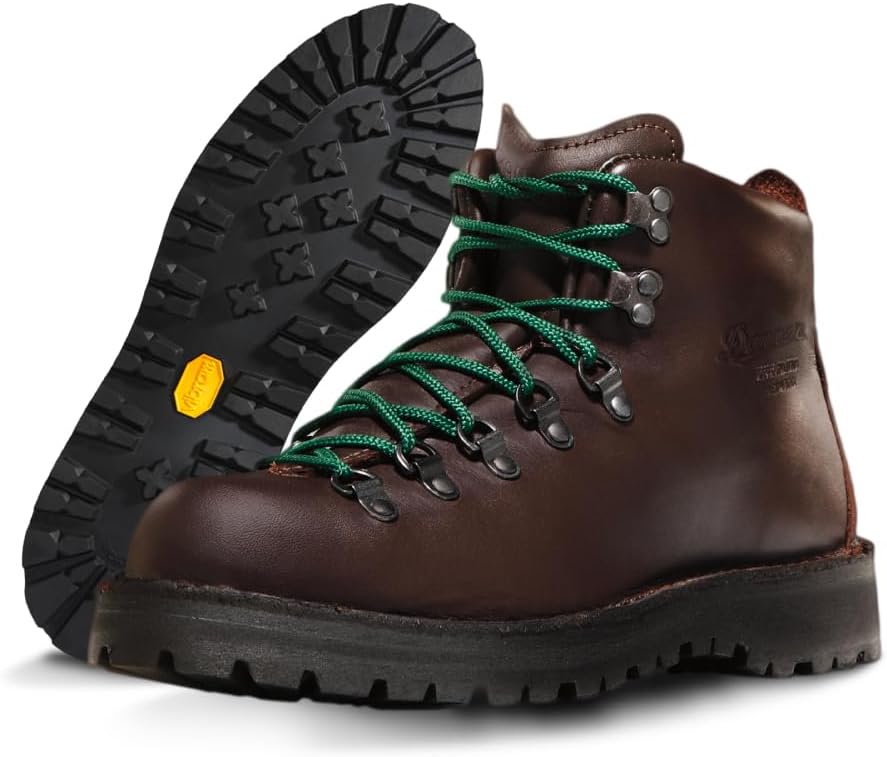 |
Danner Mountain Light II GTX | Full-Grain Leather Hiking Boot | 89 | Full-grain leather | Gore-Tex | 4.5 (897) | $469.95 |
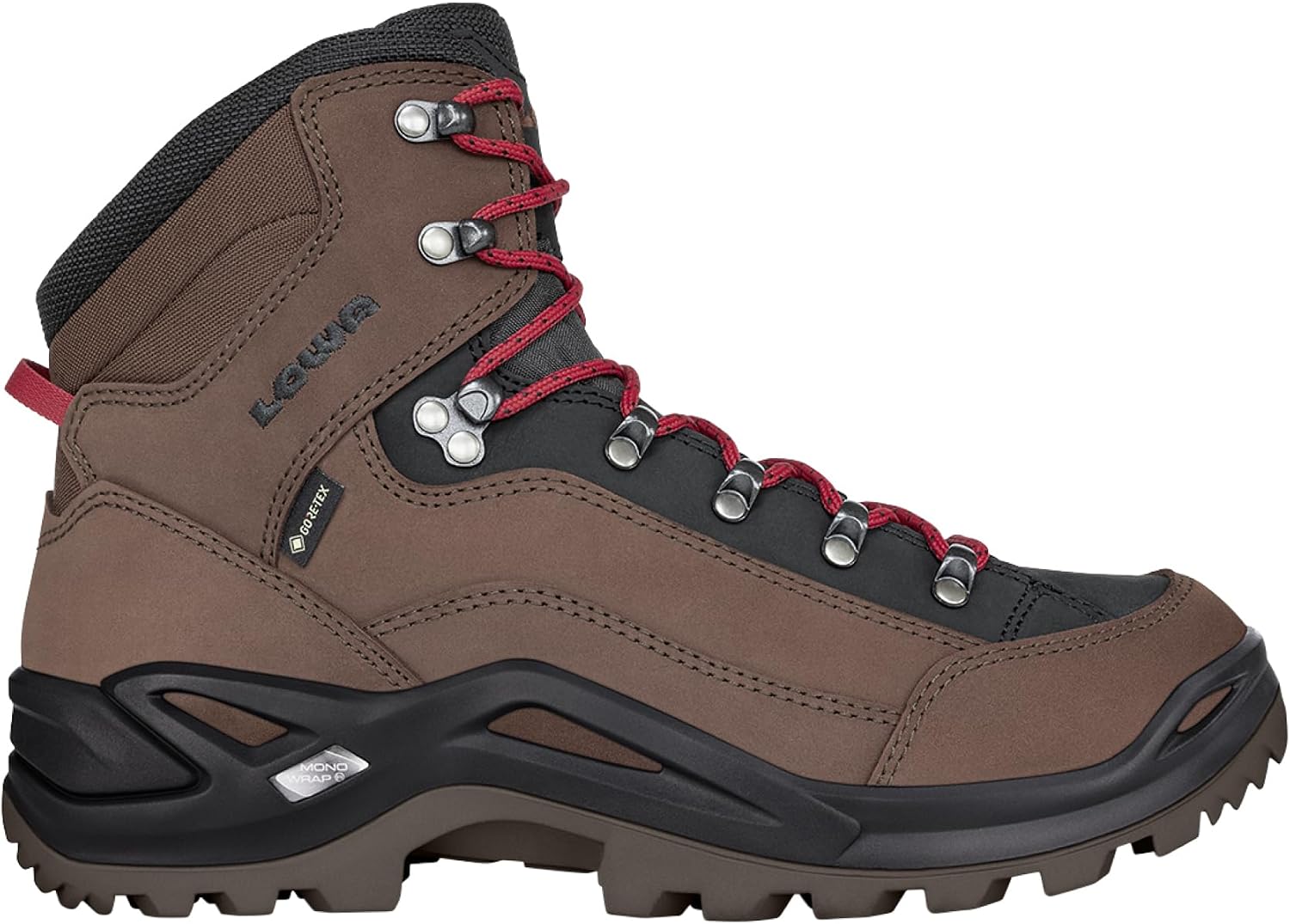 |
LOWA Renegade GTX Mid | Leather Hiking Boot for Backpacking | 89 | Nubuck leather | Gore-Tex | 4.5 (1,152) | $279.00 |
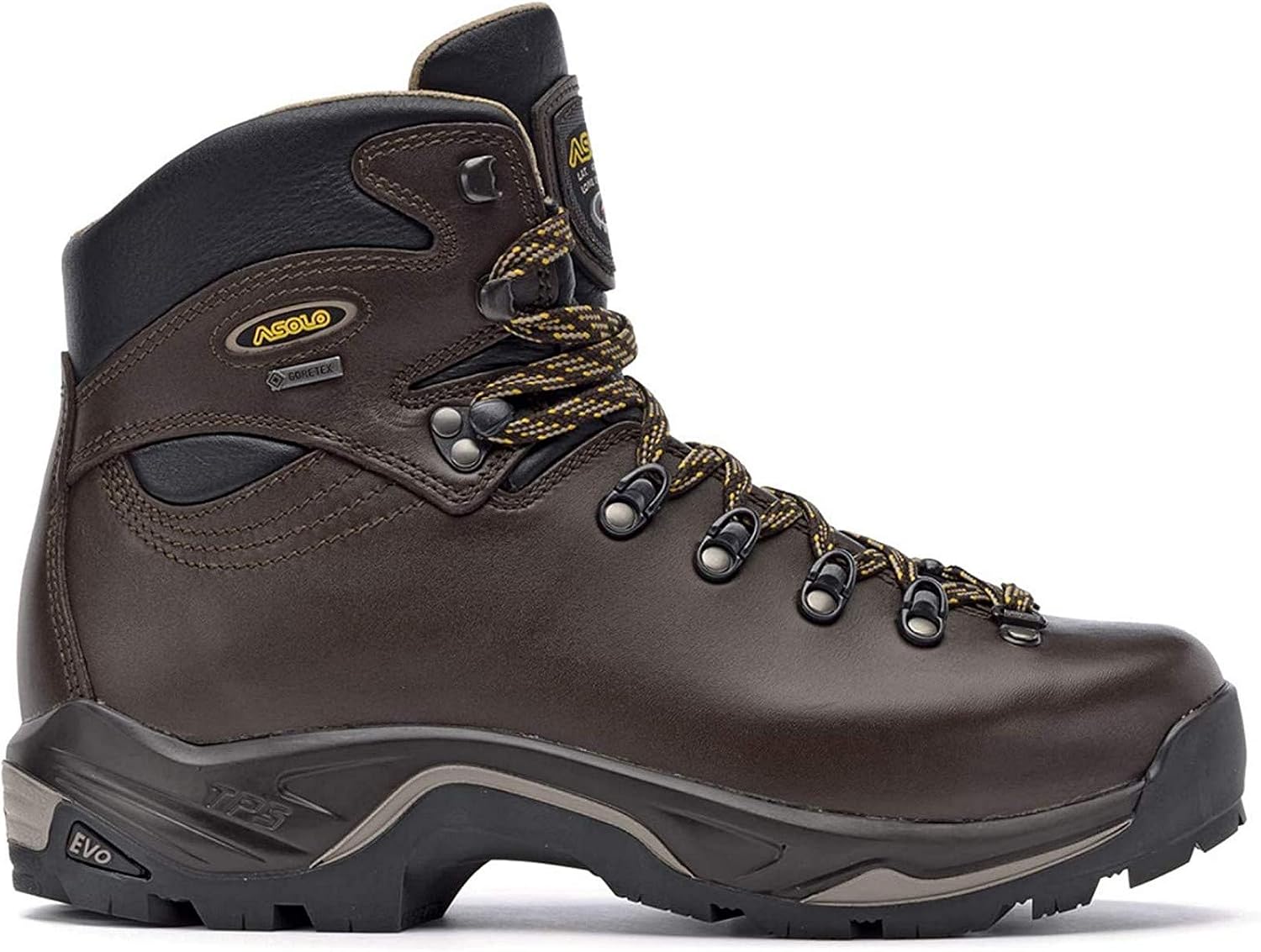 |
Asolo TPS 520 GV Evo Wide | Wide Fit Leather Hiking Boot | 89 | Full-grain leather | Gore-Tex | 4.7 (655) | $310.00 |
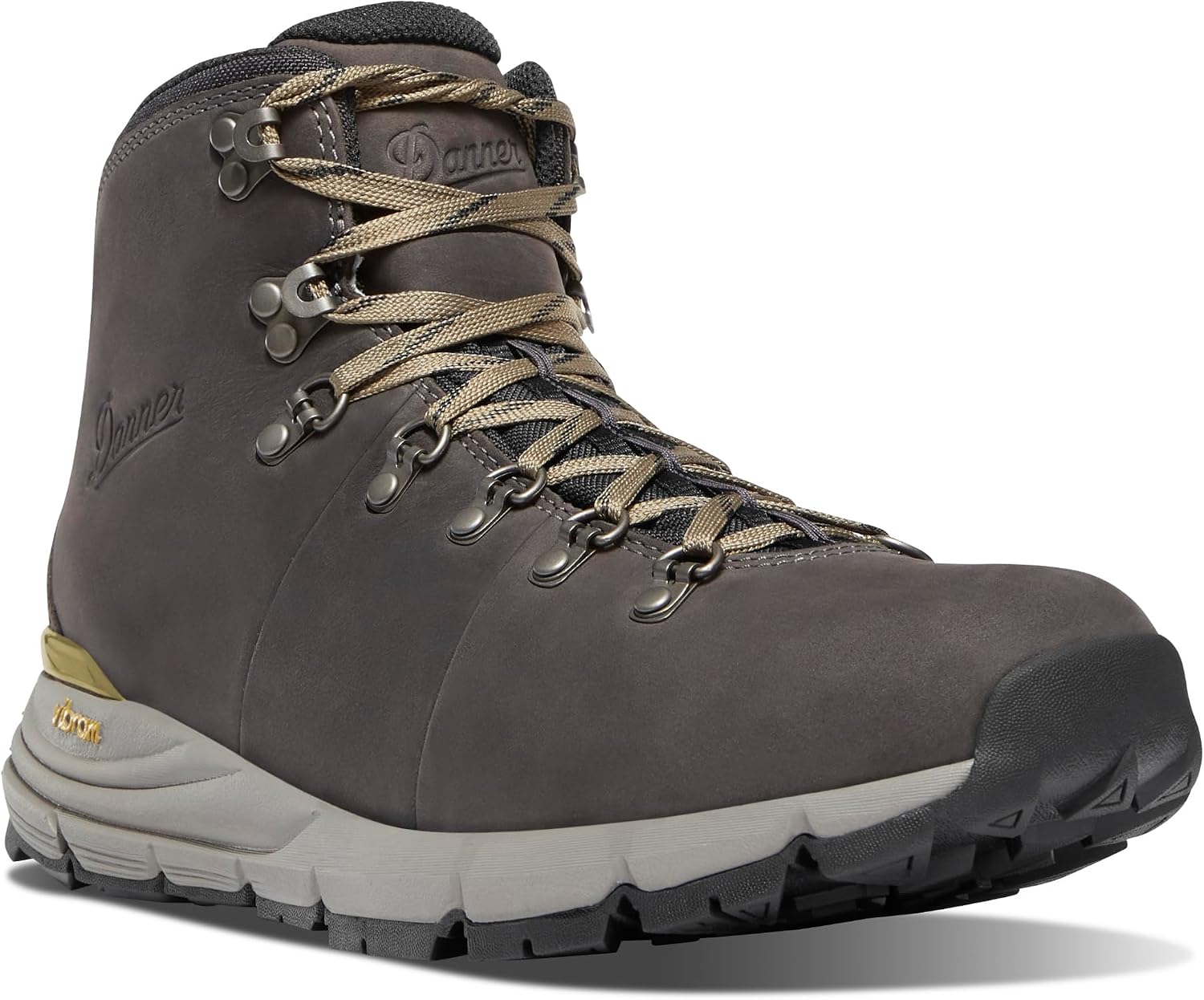 |
Danner Mountain 600 | Leather Hiking Boot Overall | 88 | Suede leather | Danner Dry | 4.6 (2,971) | $211.24 |
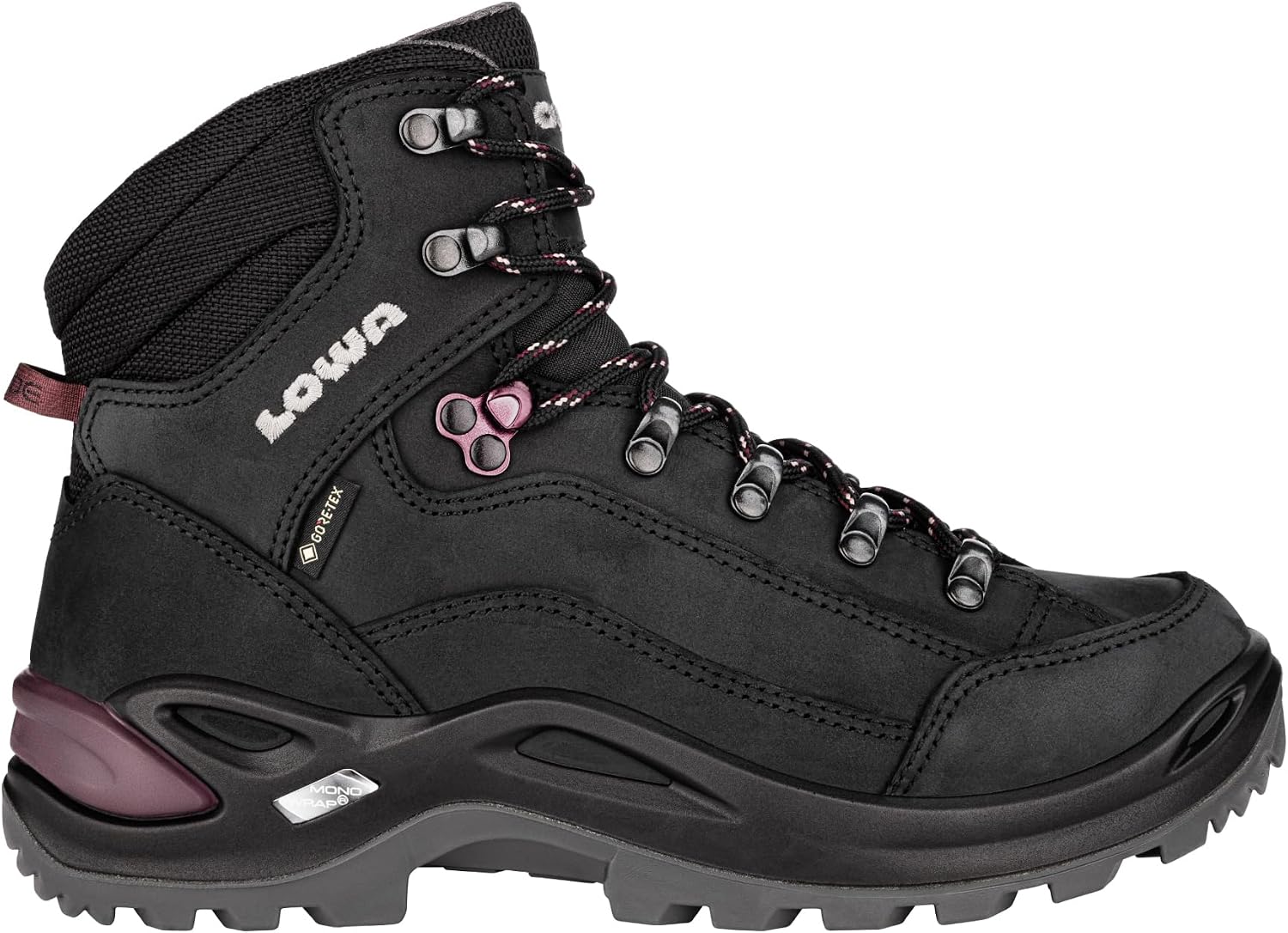 |
LOWA Renegade GTX Mid Women’s | Women’s Leather Hiking Boot | 88 | Nubuck leather | Gore-Tex | 4.6 (1,262) | $279.00 |
 |
Kenetrek Mountain Extreme | Leather Hiking Boot for Heavy Loads | 88 | Full-grain leather | Windtex membrane | 4.6 (377) | $389.99 |
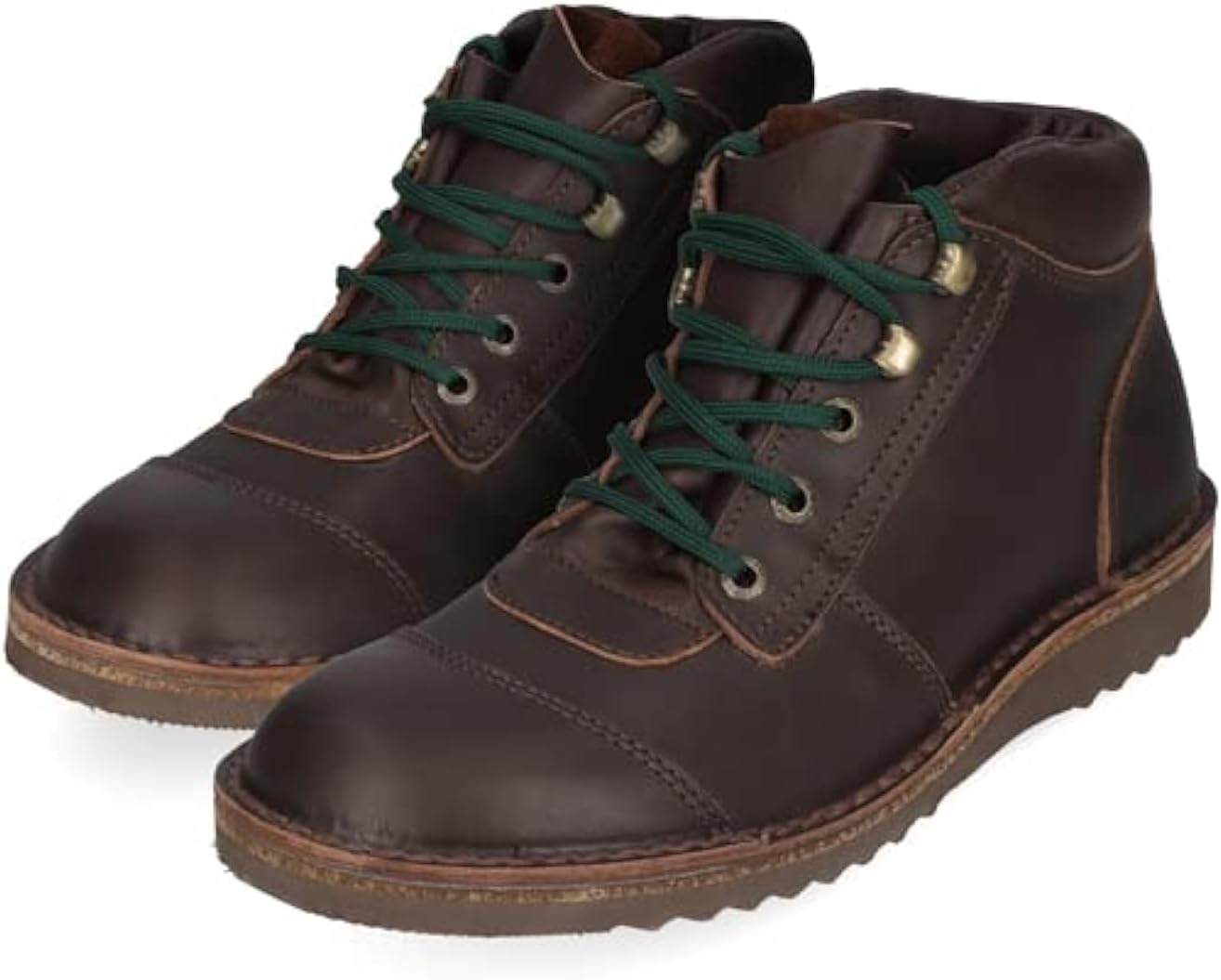 |
Jim Green African Ranger | Traditional Leather Boot | 85 | Full-grain leather | Water resistant, treatable | 4.5 (770) | $189.99 |
 |
Rocky Outback GORE-TEX | Waterproofing Value | 83 | Full-grain leather | Gore-Tex | 4.6 (748) | $108.74 |
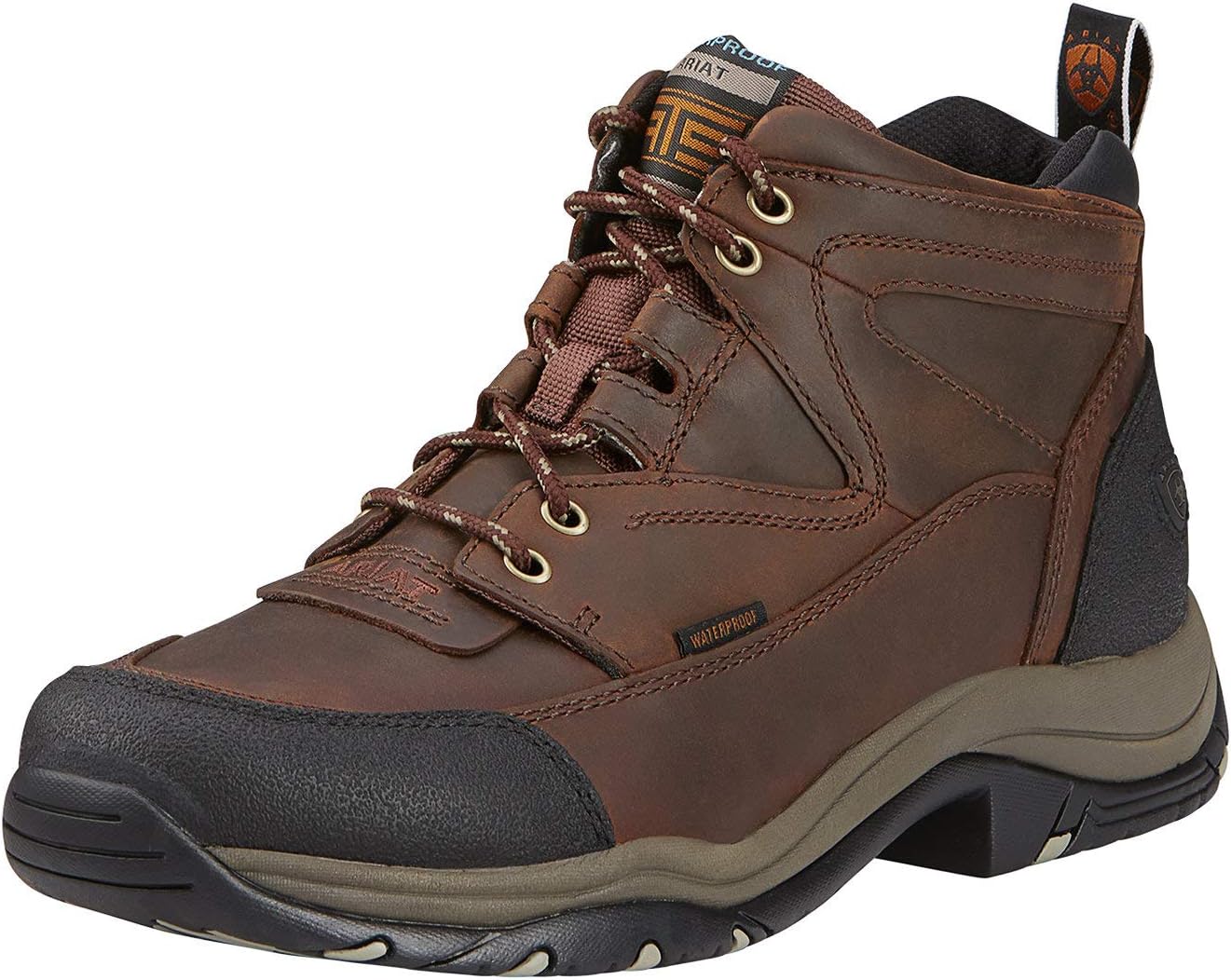 |
Ariat Terrain H2O | for Everyday Wear | 83 | Full-grain leather | Waterproof membrane | 4.6 (2,563) | $139.95 |
 |
Merrell Moab 3 Mid Waterproof | Out-of-Box Comfort | 82 | Suede leather and mesh | M Select Dry | 4.5 (5,215) | $129.99 |
 |
Timberland White Ledge Mid Waterproof | Budget Leather Hiking Boot | 80 | Full-grain leather | Seam-sealed | 4.5 (67,819) | $119.95 |
 |
Columbia Newton Ridge Plus II Suede | Budget Women’s Leather Hiking Boot | 80 | Suede leather | Seam-sealed | 4.6 (4,832) | $110.00 |
Best Leather Hiking Boot Overall: Danner Mountain 600
Trail performance in a boot that does not look like gear
Pros
- Wears comfortably from the first hike without a break-in period
- Vibram SPE midsole absorbs impact better than standard rubber
- Looks at home off the trail, which most leather boots do not
- Danner Dry keeps water out without the stiffness of a heavy liner
Cons
- Suede scuffs faster than full-grain and needs regular treatment
- Cemented construction means it cannot be resoled
- Softer build gives less support under a heavy pack
Most leather boots ask you to earn them. Two weeks of hot spots, a couple of short shakedown hikes, then finally a boot that fits. The Mountain 600 skips that entirely. Put it on, walk twenty miles, and the only thing you notice is that you did not notice anything, which is the highest praise a boot gets.
The trade is depth of build. This is a cemented boot, not a stitchdown one, so when the sole wears through the boot is finished. Danner makes boots you can send back for a rebuild and this is not one of them. It is also softer underfoot than a true backpacking boot, which is fine on day hikes and starts to feel thin when you are carrying real weight over scree.
Who it is for: day hikers, weekend backpackers, and anyone who wants one boot that works on trail and in town. Who it is not for: heavy load carriers, and anyone buying leather specifically because they want a boot they can resole for a decade.
| Upper | Suede leather |
|---|---|
| Waterproofing | Danner Dry |
| Outsole | Vibram SPE |
| Cut | Mid |
| Break-in | Minimal |
| Resoleable | No |
Best Budget Leather Hiking Boot: Timberland White Ledge Mid Waterproof
Full-grain leather at a price nothing else here touches
Pros
- Genuine full-grain upper at a price usually reserved for synthetics
- Seam-sealed waterproofing holds up well through wet grass and puddles
- Enormous review base makes sizing feedback unusually reliable
- Easy to find in wide sizes and in stock year round
Cons
- Built for light duty rather than for genuine mountain terrain
- Outsole lugs pack with mud and clear slowly
- Padded collar breaks down faster than the leather above it
This is the boot that makes the leather category accessible. Full-grain uppers usually mean a serious outlay, and Timberland has been undercutting that for years with a boot that is honestly built and honestly limited. It is a good walking boot on maintained trail and it should be judged as one.
Push it onto steep, loose, rocky ground and the limits appear quickly. The midsole is soft, the shank is minimal, and your foot works harder than it would in a boot built for that terrain. The lugs also clog in Oregon mud and are slow to shed it, which matters on a wet descent.
Who it is for: casual hikers, people starting out, and anyone who wants leather without committing serious money to it. Who it is not for: backpackers under load, and anyone regularly on technical ground where support and traction actually decide the day.
| Upper | Full-grain leather |
|---|---|
| Waterproofing | Seam-sealed |
| Outsole | Rubber lug |
| Cut | Mid |
| Break-in | Moderate |
| Resoleable | No |
Best Full-Grain Leather Hiking Boot: Danner Mountain Light II GTX
Stitchdown construction you can send back and have rebuilt
Pros
- Factory recrafting means the boot outlives several sets of soles
- One-piece full-grain upper has almost no seams to fail
- Support under a heavy pack is in a different class from the mid-price boots
- Made in Portland, which is not nothing for an Oregon reader
Cons
- Break-in is genuinely long and genuinely uncomfortable
- Heavy enough to feel it by the end of a long day
- The highest outlay on this page by a wide margin
The argument for leather over synthetic comes down to one thing, and this boot is the only one here that fully delivers it. The upper is a single piece of full-grain stitched down to the midsole, which means when the Vibram wears out you mail the boots to Portland and get them back with new soles rather than throwing them away. Do that a few times and the price stops looking absurd.
You pay for it up front in comfort. The break-in is not a marketing softening, it is weeks of short walks while stiff leather learns the shape of your foot, and people who skip that step end up with blisters and a bad opinion. Our guide on how to break in hiking boots exists largely for boots like this one.
Who it is for: people who keep gear for decades, heavy-pack backpackers, and anyone tired of replacing boots every few seasons. Who it is not for: occasional hikers, anyone who needs boots ready this weekend, and anyone unwilling to do the break-in properly.
| Upper | Full-grain leather |
|---|---|
| Waterproofing | Gore-Tex |
| Outsole | Vibram Kletterlift |
| Cut | Mid |
| Break-in | Long |
| Resoleable | Yes, factory recraft |
Best Leather Hiking Boot for Backpacking: LOWA Renegade GTX Mid
The default backpacking boot for good reason
Pros
- Balances pack support and walking comfort better than anything else here
- Nubuck upper resists scuffing far better than suede
- LOWA will resole it, so the cost spreads over years
- Ankle support is firm without locking the joint
Cons
- Runs narrow, and wide feet should look at the Asolo instead
- Gore-Tex liner runs warm in summer heat
- Premium price for a boot most people will never push to its limit
Walk into any backpacking group and count the Renegades. There is a reason this boot has been the default recommendation for over a decade, and it is that LOWA solved the hardest problem in boot design: making something stiff enough to carry weight that still feels like walking rather than like wearing a cast.
The nubuck upper is the quiet advantage. Suede boots start looking beaten after a season of brush and scree, and nubuck takes the same abuse and keeps its face. Combined with a Vibram Evo outsole that actually sheds mud, this is a boot that stays functional rather than just surviving.
Who it is for: multi-day backpackers, anyone carrying a loaded pack over mixed terrain, and hikers who want one serious boot. Who it is not for: wide feet, hot dry climates where a Gore-Tex liner becomes a liability, and casual day hikers who will never use the support.
| Upper | Nubuck leather |
|---|---|
| Waterproofing | Gore-Tex |
| Outsole | Vibram Evo |
| Cut | Mid |
| Break-in | Short |
| Resoleable | Yes, through LOWA |
Best Women’s Leather Hiking Boot: LOWA Renegade GTX Mid Women’s
A women’s specific last, not a shrunken men’s boot
Pros
- Built on a women’s specific last with a narrower heel and lower volume
- Same nubuck and Vibram package as the men’s version
- Heel hold is noticeably better than unisex boots sized down
- Rated slightly higher by owners than the men’s model
Cons
- Narrow through the forefoot, which suits some feet and not others
- Warm in summer because of the Gore-Tex liner
- Costs the same as the men’s boot with no entry-level alternative in the line
Plenty of brands take a men’s boot, shrink the pattern, and call it a women’s model. LOWA does not. The Renegade women’s version sits on its own last with a narrower heel pocket and less volume through the instep, and the difference shows up as heel hold on descents, which is where badly fitted boots create blisters.
Everything above the fit is identical to the men’s boot, which means the same nubuck that shrugs off brush and the same outsole that clears mud instead of collecting it. Owners rate it marginally higher than the men’s version, which tracks with how often women’s boots are an afterthought elsewhere.
Who it is for: women carrying a pack, anyone who has struggled with heel slip in unisex boots, and hikers wanting a boot that will be resoled rather than replaced. Who it is not for: wide forefeet, and anyone whose hiking does not justify this level of boot.
| Upper | Nubuck leather |
|---|---|
| Waterproofing | Gore-Tex |
| Outsole | Vibram Evo |
| Cut | Mid |
| Break-in | Short |
| Resoleable | Yes, through LOWA |
Best Budget Women’s Leather Hiking Boot: Columbia Newton Ridge Plus II Suede
The entry point that has convinced a lot of people to keep hiking
Pros
- Comfortable straight out of the box with almost no break-in
- Waterproofing works well for the price bracket
- Wide sizes are readily available
- Light enough that new hikers do not feel weighed down
Cons
- Suede wears through at the flex points within a couple of seasons
- Support falls away quickly once you add pack weight
- Omni-Grip is adequate on dry rock and mediocre on wet
Ask around about first hiking boots and this name comes up constantly. It is comfortable immediately, it keeps water out, and it costs little enough that buying it does not feel like a commitment to a hobby you have not tried yet. For getting someone onto a trail, that combination is hard to argue with.
It is also not built to last, and pretending otherwise does nobody a favor. Suede thins at the flex crease, the midsole packs out, and after a couple of hard seasons the boot is done. Treat it as a boot that earns its price rather than one that outlives it, and it makes complete sense.
Who it is for: new hikers, occasional trail users, and anyone who wants waterproof leather without a serious outlay. Who it is not for: backpackers, frequent hikers, and anyone on wet technical ground where the outsole becomes the weak link.
| Upper | Suede leather |
|---|---|
| Waterproofing | Seam-sealed |
| Outsole | Omni-Grip |
| Cut | Mid |
| Break-in | Minimal |
| Resoleable | No |
Best Wide Fit Leather Hiking Boot: Asolo TPS 520 GV Evo Wide
A genuine wide last, not a wider version of a narrow boot
Pros
- Wide last is properly wide through the forefoot and the toe box
- Highest owner rating of anything in this roundup
- High cut and stiff shank handle serious pack weight
- Resoleable, so wide-footed hikers are not replacing boots constantly
Cons
- Stiff enough that short hikes feel like overkill
- High cut restricts ankle flex on easy terrain
- Limited availability in some sizes
Wide-footed hikers know the routine: buy a size up, live with a heel that slips, or spend years in boots that hurt. Asolo builds this on an actually wide last rather than stretching a standard pattern, and the difference is that your toes have room while your heel stays locked, which is the whole problem solved.
It is a serious boot and it behaves like one. The shank is stiff, the cut is high, and on a flat three mile loop it feels like far more boot than the day requires. Load a multi-day pack onto your back and cross uneven ground and it makes complete sense. Owners rate it higher than anything else here, which for a boot this specialized says something.
Who it is for: wide feet, heavy packs, and long trips on rough ground. Who it is not for: narrow feet, casual day hikes, and anyone who wants a boot that flexes easily out of the box.
| Upper | Full-grain leather |
|---|---|
| Waterproofing | Gore-Tex |
| Outsole | Vibram Radiant |
| Cut | High |
| Break-in | Moderate |
| Resoleable | Yes |
Best Leather Hiking Boot for Heavy Loads: Kenetrek Mountain Extreme
Built for hunters hauling weight off trail
Pros
- Support under extreme load is the best of anything on this page
- K-Talon outsole grips loose scree where softer lugs skate
- One-piece upper with minimal stitching to fail
- Built for people who hike off trail carrying meat, which is a hard test
Cons
- Punishingly stiff until fully broken in
- Overbuilt and uncomfortable for ordinary day hiking
- Needs consistent conditioning to stay waterproof
This boot comes from the hunting world rather than the hiking one, and that shows in every design decision. Kenetrek builds for people who walk off trail into steep country, shoot an animal, and then walk out carrying a substantial portion of it. That use case demands a level of support that ordinary hiking boots simply do not attempt.
The cost is that it is miserable for anything easier. On a groomed trail with a daypack the stiffness works against you, and the break-in is a real project measured in weeks rather than days. Skip the conditioning routine and the leather dries out and the waterproofing goes with it.
Who it is for: hunters, off-trail travelers, and anyone regularly under a genuinely heavy pack in steep terrain. Who it is not for: everybody else, and that is not a criticism of the boot.
| Upper | Full-grain leather |
|---|---|
| Waterproofing | Windtex membrane |
| Outsole | K-Talon |
| Cut | High |
| Break-in | Long |
| Resoleable | Yes |
Best Traditional Leather Boot: Jim Green African Ranger
Old-school construction from a small South African maker
Pros
- Welted construction that any competent cobbler can resole locally
- Thick full-grain leather that gets better with conditioning rather than worse
- No membrane to delaminate, so waterproofing stays in your control
- Costs far less than the other resoleable boots here
Cons
- Water resistant rather than waterproof until you treat it properly
- Heavier than modern hiking boots of the same height
- Long break-in and a fit that runs unusual for some feet
There is no membrane in this boot, no proprietary midsole foam, and no marketing technology. It is thick leather stitched to a Vibram sole using a construction method that predates every acronym in the outdoor industry, and it will outlast almost anything on this page for less money than the premium options.
The absence of a membrane is a feature if you understand it. Gore-Tex liners eventually delaminate and when they do the boot is finished. Wax this leather properly and it sheds water, and when it stops you wax it again. That is more maintenance than most people want, and it is also why these boots last. Our guide to waterproofing hiking boots covers the routine.
Who it is for: people who like maintaining their gear, anyone who wants resoleable leather without the Danner price, and hikers on mixed trail and work use. Who it is not for: anyone expecting waterproof performance out of the box, and hikers who want light and modern.
| Upper | Full-grain leather |
|---|---|
| Waterproofing | Water resistant, treatable |
| Outsole | Vibram |
| Cut | Mid |
| Break-in | Long |
| Resoleable | Yes |
Best Waterproofing Value: Rocky Outback GORE-TEX
Real Gore-Tex at a price that undercuts everything else with it
Pros
- Actual Gore-Tex rather than a proprietary membrane, at half the usual price
- Full-grain upper holds up better than the suede boots in this bracket
- Long-running model with a stable, well-understood fit
- Comfortable enough for all-day wear on wet ground
Cons
- Outsole is the weakest part of the package on wet rock
- Not resoleable despite the otherwise solid construction
- Styling is dated compared with everything else here
Gore-Tex normally signals a boot well above this price. Rocky has kept the Outback in production for years and it remains the cheapest honest way to get a genuine membrane under a full-grain upper, which in a wet climate is the single feature most worth paying for.
The savings show up in the outsole. Rocky’s own lug pattern is fine on dirt and mud and noticeably less confident on wet rock, which in the Gorge is exactly the surface you meet at the wrong moment. Everything above the sole punches well above the price.
Who it is for: wet-climate hikers on a budget, anyone who wants a waterproof leather boot without spending premium money. Who it is not for: scrambling on slick rock, and anyone who cares how their boots look.
| Upper | Full-grain leather |
|---|---|
| Waterproofing | Gore-Tex |
| Outsole | Rocky lug |
| Cut | Mid |
| Break-in | Moderate |
| Resoleable | No |
Best Out-of-Box Comfort: Merrell Moab 3 Mid Waterproof
The most-worn hiking boot in America, and it earns it
Pros
- Comfortable from the first step with genuinely no break-in required
- Vibram TC5+ grips well across dirt, rock, and root
- Available in wide sizes and easy to try on locally
- Mesh panels keep it cooler than a full leather boot
Cons
- Mesh panels are the first thing to fail and they fail early
- Not a true leather boot, which limits durability and waterproofing
- Support disappears once you put real weight on your back
An honest caveat first: this is not a full leather boot. Suede panels and mesh make up the upper, so it does not offer what the full-grain options here do in durability or long-term waterproofing. It is on this page because readers looking for leather hiking boots will look for it, and because on comfort it beats everything else.
Nothing else is this good immediately. There is no adjustment period, no hot spots, no cautious first week. Straight out of the box it walks like a boot you have owned for a year. The mesh that makes it breathable is also the part that wears through first, usually well before the sole does.
Who it is for: day hikers, anyone who needs boots ready this weekend, and hikers in warm dry conditions. Who it is not for: anyone who wants leather specifically for durability, and backpackers who need support under load.
| Upper | Suede leather and mesh |
|---|---|
| Waterproofing | M Select Dry |
| Outsole | Vibram TC5+ |
| Cut | Mid |
| Break-in | None |
| Resoleable | No |
Best for Everyday Wear: Ariat Terrain H2O
A barn boot that hikes better than it has any right to
Pros
- Comfortable enough to wear all day, every day, not just on trail
- Full-grain upper takes abuse and cleans up well
- Duratread outsole handles gravel, mud, and pavement equally
- Looks like a boot rather than like technical footwear
Cons
- Low cut offers no ankle support on uneven ground
- Outsole lugs are shallow for genuinely muddy trail
- Built for ranch work first and hiking second
This one comes from the equestrian world and it has quietly become a favorite among people who need one pair of boots for everything. Feed the animals, drive to town, walk a few miles of trail, and it does all of it without being obviously wrong for any of them.
As a hiking boot specifically it has limits. The cut is low, so there is no ankle support when the ground gets uneven, and the lugs are shallow enough that steep mud is a genuine problem. On rolling trail and gravel roads none of that matters and the comfort is excellent.
Who it is for: rural readers, anyone wanting one durable leather boot for daily wear that also handles easy trail. Who it is not for: technical terrain, steep mud, and anyone who needs ankle support.
| Upper | Full-grain leather |
|---|---|
| Waterproofing | Waterproof membrane |
| Outsole | Duratread |
| Cut | Low |
| Break-in | Minimal |
| Resoleable | No |
How to Choose Leather Hiking Boots
Four questions settle it. The one almost nobody asks is the third, and it is the one that decides whether you buy boots once or every few years.
Match the boot to the load
A daypack and a multi-day pack are different problems. Soft, flexible boots feel great empty and let your foot work too hard once weight goes on your back. Stiff mountain boots do the opposite and feel like overkill on an easy loop. Decide what you actually carry most often, not what you carry occasionally.
Know your leather
Full-grain keeps the hide surface intact and is the toughest and stiffest. Nubuck is sanded full-grain, nearly as strong and softer underfoot. Suede is the inner split, comfortable immediately and the first to wear through at the flex crease. Price tracks durability almost exactly, and so does break-in time.
Check whether it can be resoled
This is the question that separates a boot you own for a decade from one you replace. Stitchdown and welted boots can be resoled repeatedly. Cemented boots, where the sole is glued, cannot, and that covers most boots under the two hundred mark. The upper almost always outlives the tread, so this decides the real cost.
Get the width right before the brand
Most fit problems are width problems, and sizing up to fix them creates heel lift and blisters on descents. If your feet are wide, start from boots built on a wide last rather than a wide version of a narrow one. Brand loyalty is worth nothing if the shape is wrong for your foot.
How We Picked
We screened every leather hiking boot listing that cleared a rating and review threshold, then narrowed to twelve that cover the real spread of construction methods, widths, and price tiers rather than twelve versions of the same mid-weight nubuck boot.
No brand paid for placement here. Every link is an affiliate link, which means Oregon Tails earns a commission if you buy, at no additional cost to you. Read our full gear testing standards and affiliate disclosure.
Leather Hiking Boot FAQ
The questions readers send most often, answered without the marketing gloss.
Are leather hiking boots better than synthetic?
Better at different things. Leather is more durable, moulds to your foot over time, and on welted or stitchdown boots can be resoled rather than replaced. Synthetic is lighter, cheaper, needs no break-in, and dries faster when it gets soaked. If you hike often, carry weight, or want boots that last years, leather wins. If you hike occasionally in dry conditions, synthetic is the sensible choice. We cover the trade in more depth in hiking boots versus trail runners.
What is the difference between full-grain, nubuck, and suede leather?
Full-grain is the outer layer of the hide with its surface intact, which makes it the toughest and most water resistant, and the stiffest to break in. Nubuck is full-grain that has been lightly sanded to a velvet finish, so it keeps most of the strength while feeling softer. Suede comes from the inner split of the hide, which makes it flexible and comfortable immediately but thinner and quicker to wear through. Price and durability follow that order.
How long do leather hiking boots take to break in?
It depends entirely on construction. Softer suede boots like the Merrell and Columbia options here need essentially none. Mid-weight nubuck boots take a handful of hikes. Stiff full-grain mountain boots take weeks of gradually longer walks, and rushing that is how people end up with blisters and a boot they blame unfairly. Start with short walks on flat ground and build up before committing to a long day.
Can leather hiking boots be resoled?
Only if they are built for it. Stitchdown and welted boots, including the Danner Mountain Light, the Asolo, the Kenetrek, and the Jim Green, can be resoled repeatedly. Cemented boots, where the sole is glued on, cannot be, and that includes most boots under two hundred dollars. If buy-it-for-life is the goal, construction method matters more than the leather itself.
How do I waterproof leather hiking boots?
Clean the boots first, then apply a wax or cream conditioner suited to the leather type and work it into the seams and the flex creases where water gets in. Boots with a Gore-Tex liner still need the leather conditioned, because dried-out leather cracks and lets water reach the membrane. Boots without a membrane, like the Jim Green, rely entirely on treatment and need it more often. Our full walkthrough is in how to waterproof hiking boots.
Should leather hiking boots fit tight or loose?
Snug through the heel and midfoot with room to wiggle your toes, and enough space that your toes do not touch the front when walking downhill. Leather stretches slightly with wear, so a boot that feels marginally snug in width will usually settle. A boot that is too long will never fix itself and will cause heel lift. See how hiking boots should fit for the full fitting process.
How long should a pair of leather hiking boots last?
A cemented suede boot hiked regularly will typically need replacing after a few seasons. A full-grain resoleable boot, maintained and resoled when the tread wears, can run a decade or more. The upper almost always outlasts the sole, which is exactly why resoleability is worth paying for if you hike enough. If you are unsure whether yours are done, read when to replace hiking boots.