Cheap Hiking Boots That Are Actually Worth Buying
Twelve boots from under fifty dollars to a hundred and thirty. Some are honest bargains. Some cost more over four years than the boots they undercut, and knowing which is which is the entire point of this page.

Our Top Picks at a Glance
Four boots cover most budgets. The rest of this page exists for tighter limits, cold weather, and the low-cut option people often actually want.
Full comparison table: cheap hiking boots
Full comparison table: cheap hiking boots 2026. Sort by trail score, rating, or price. On smaller screens the table scrolls sideways so every column stays readable.
| Boot | Award | Trail score | Upper | Waterproofing | Rating | Price | |
|---|---|---|---|---|---|---|---|
 |
Danner Mountain 600 Women’s | Splurge Under $130 | 88 | Suede leather | Danner Dry | 4.6 (652) | $114.98 |
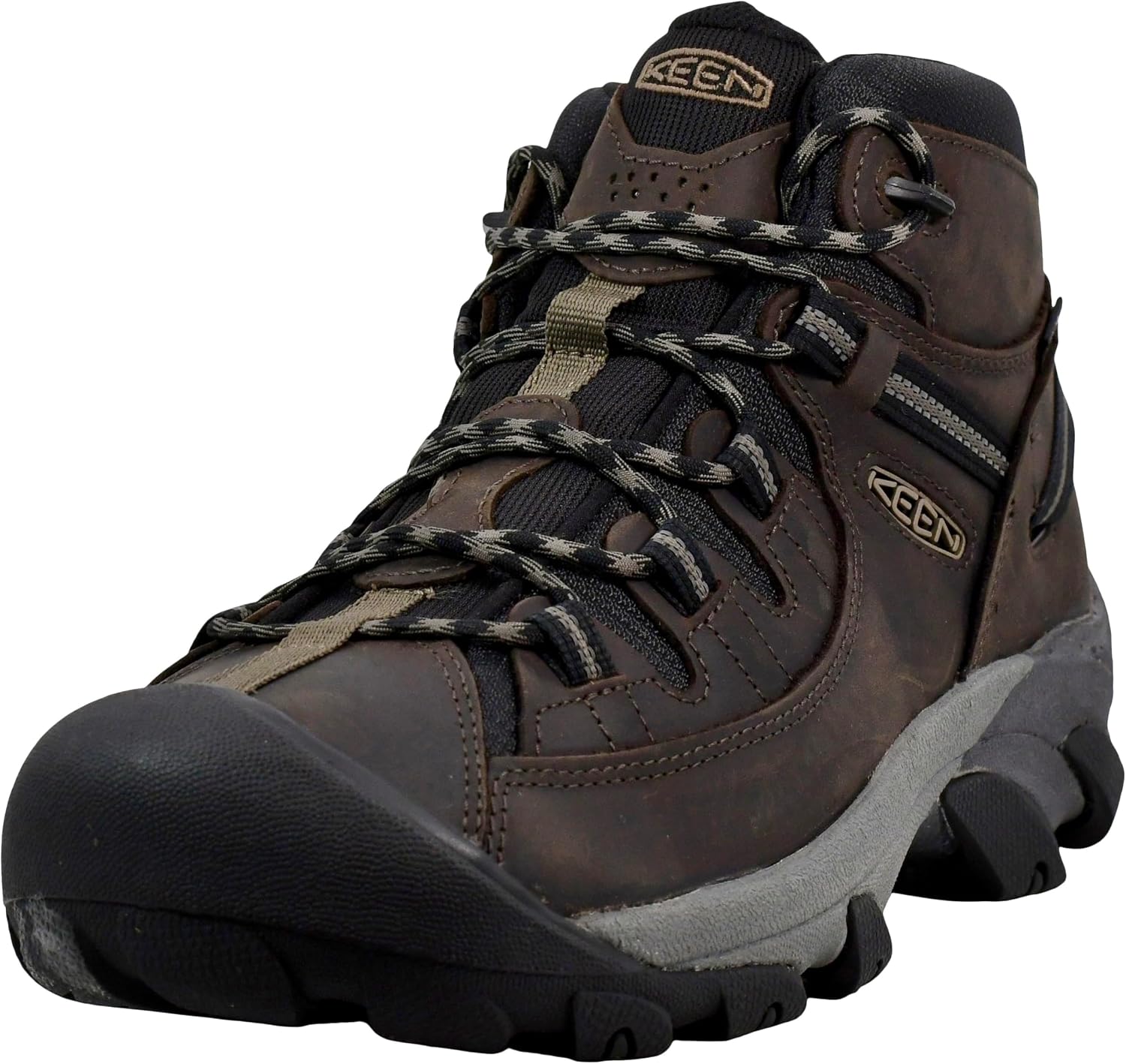 |
KEEN Targhee II Mid Waterproof | Name Brand Under $100 | 87 | Nubuck leather | KEEN.DRY | 4.2 (13,833) | $99.99 |
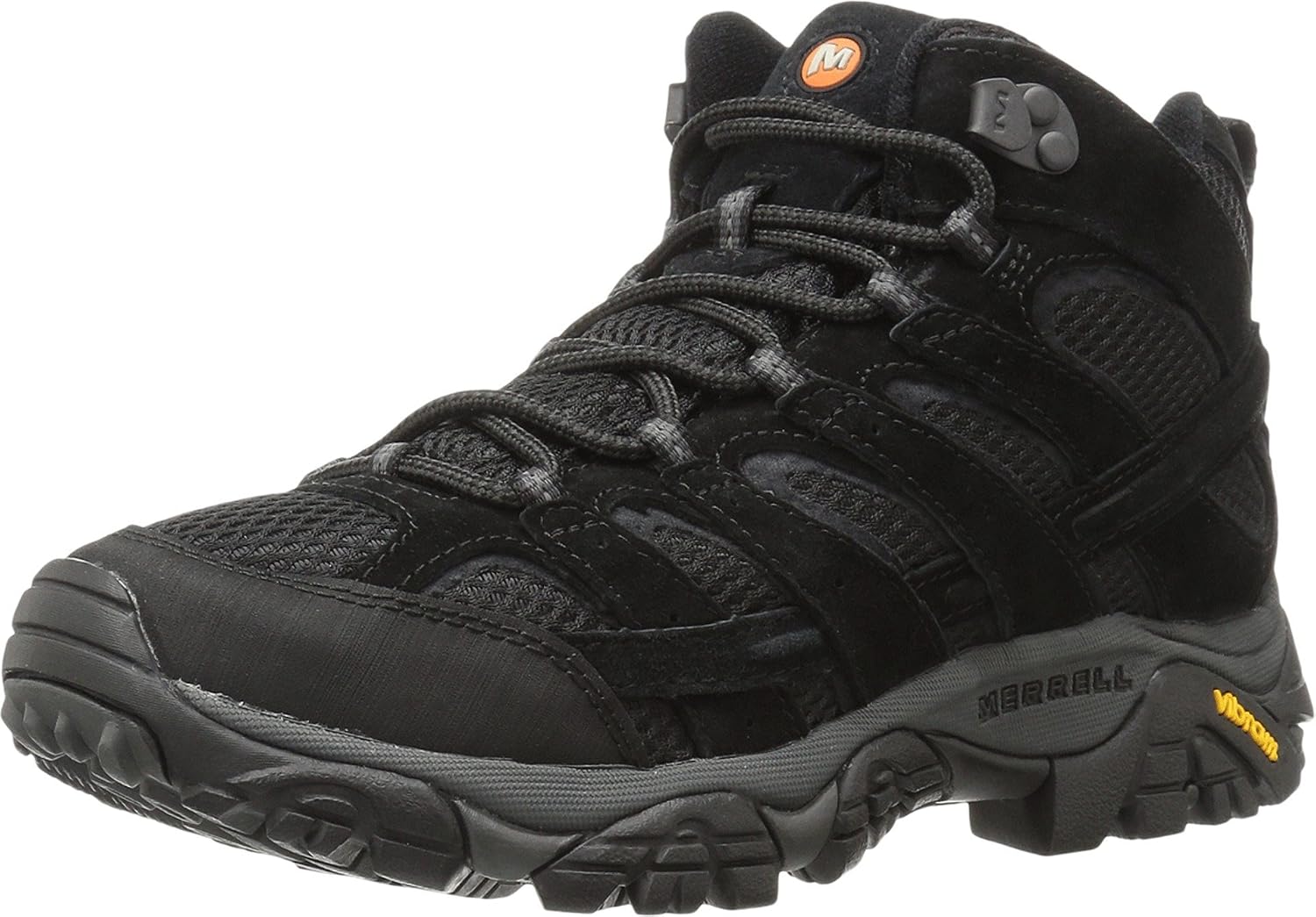 |
Merrell Moab 2 Mid Waterproof | Cheap Hiking Boot Overall | 86 | Suede and mesh | M Select Dry | 4.6 (13,158) | $102.19 |
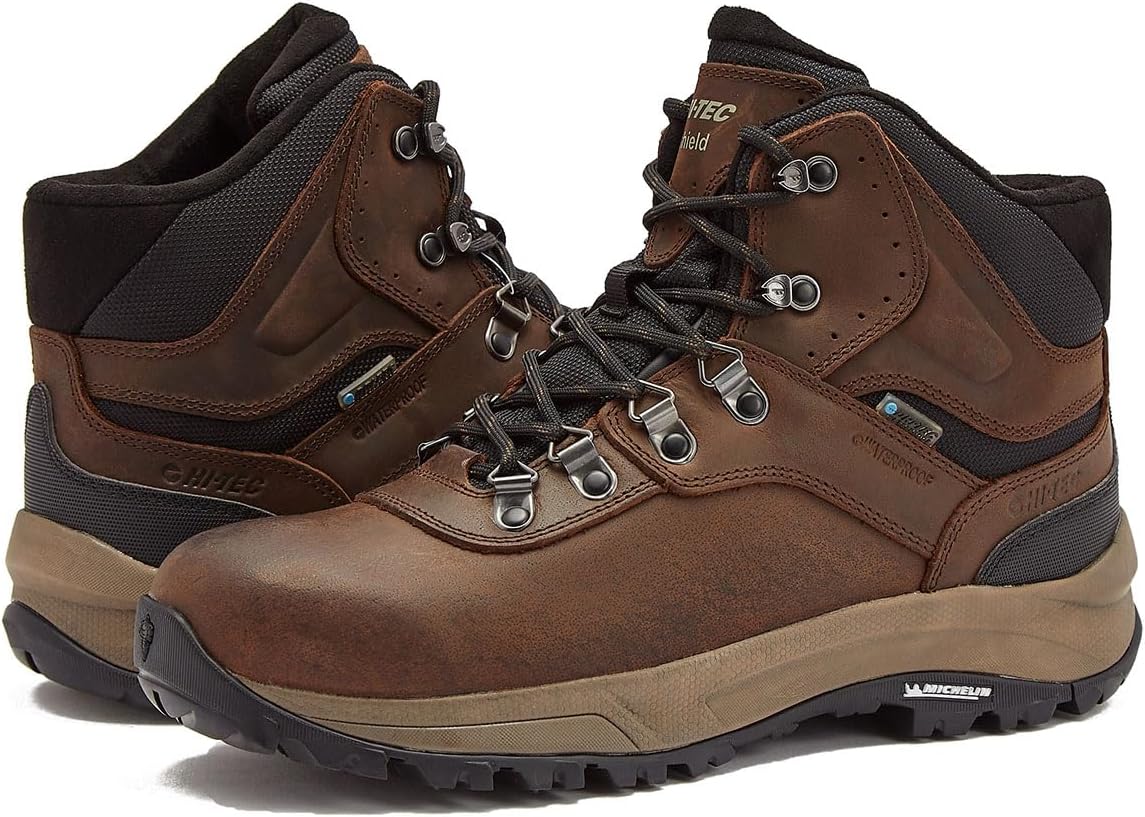 |
Hi-Tec Altitude VI Waterproof | Budget Leather Boot | 81 | Full-grain leather | Dri-Tec | 4.5 (868) | $79.98 |
 |
Merrell Moab 3 Hiking Shoe | Low-Cut Option | 81 | Suede and mesh | None | 4.6 (15,125) | $119.95 |
 |
Columbia Newton Ridge Plus Waterproof | Cheap Hiking Boot for Women | 80 | Suede leather | Seam-sealed | 4.6 (1,956) | $109.99 |
 |
Timberland White Ledge Mid Waterproof | Full-Grain Value | 80 | Full-grain leather | Seam-sealed | 4.5 (67,819) | $119.95 |
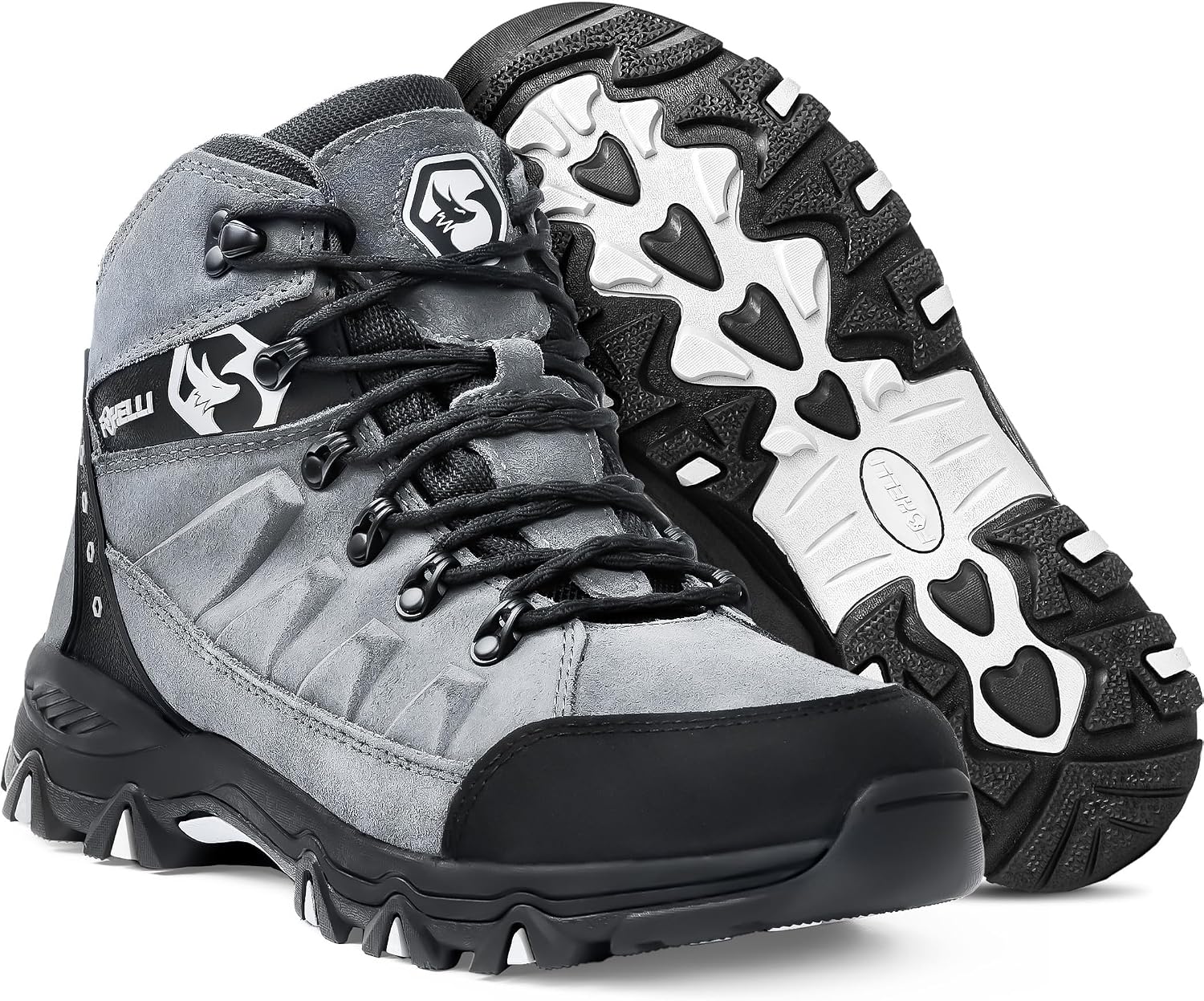 |
Foxelli Waterproof Hiking Boots | Lightweight Cheap Boot | 80 | Suede and mesh | Waterproof membrane | 4.6 (4,792) | $99.97 |
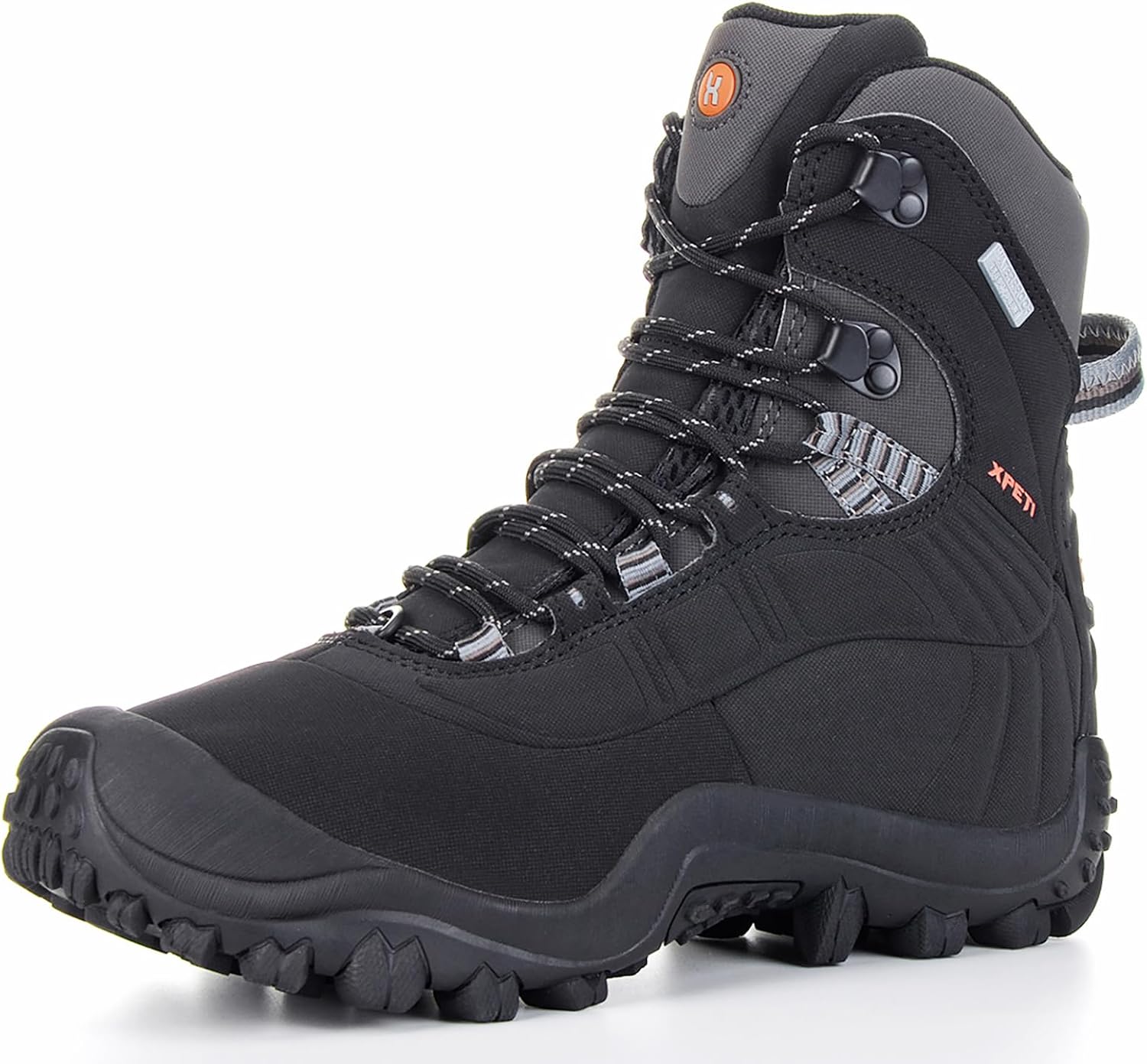 |
XPETI Thermator Mid | Insulated Cheap Hiking Boot | 78 | Synthetic | Waterproof membrane | 4.4 (7,741) | $59.49 |
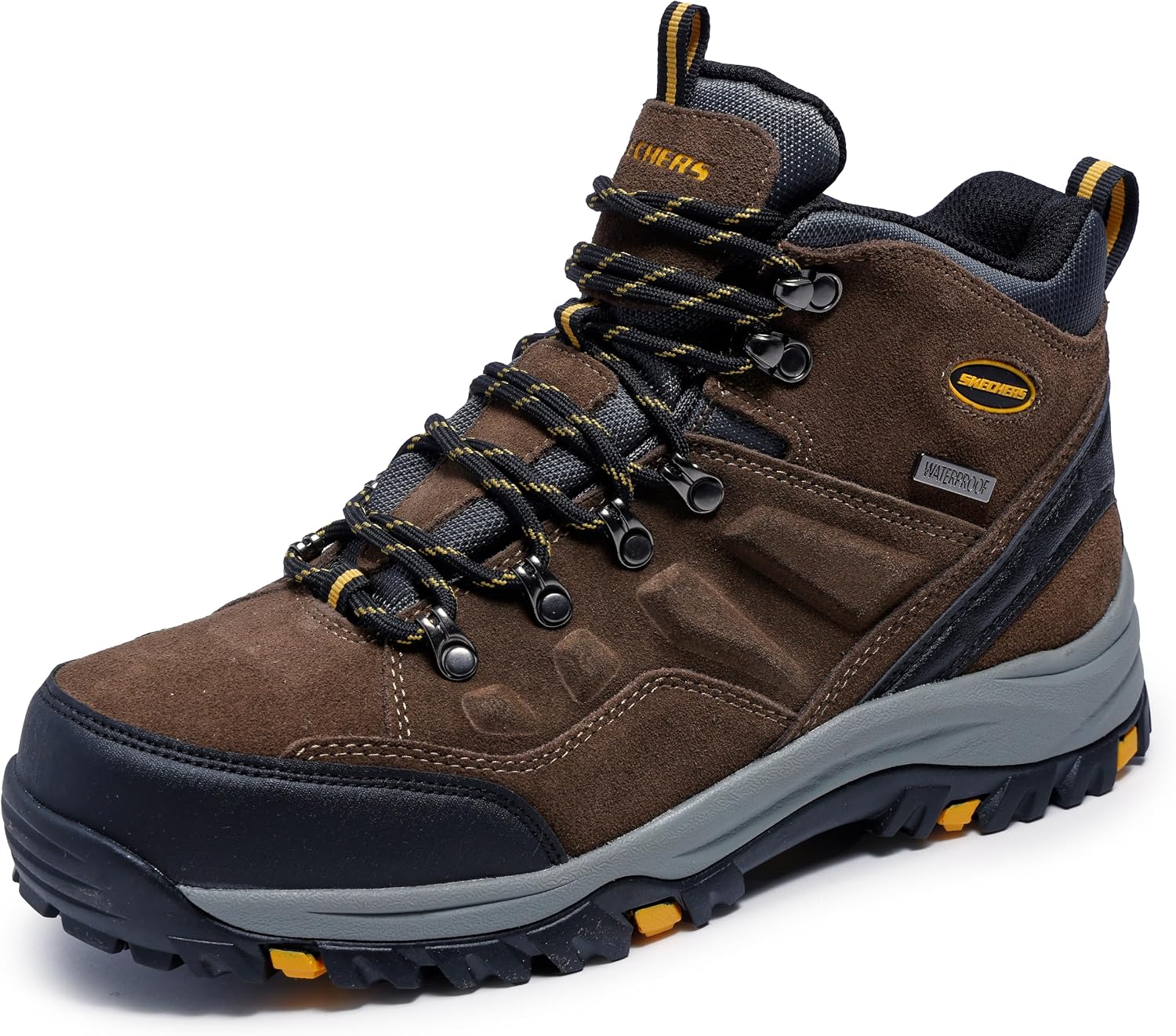 |
Skechers Relment Pelmo | for Casual Wear | 78 | Suede leather | Water resistant | 4.5 (22,096) | $75.98 |
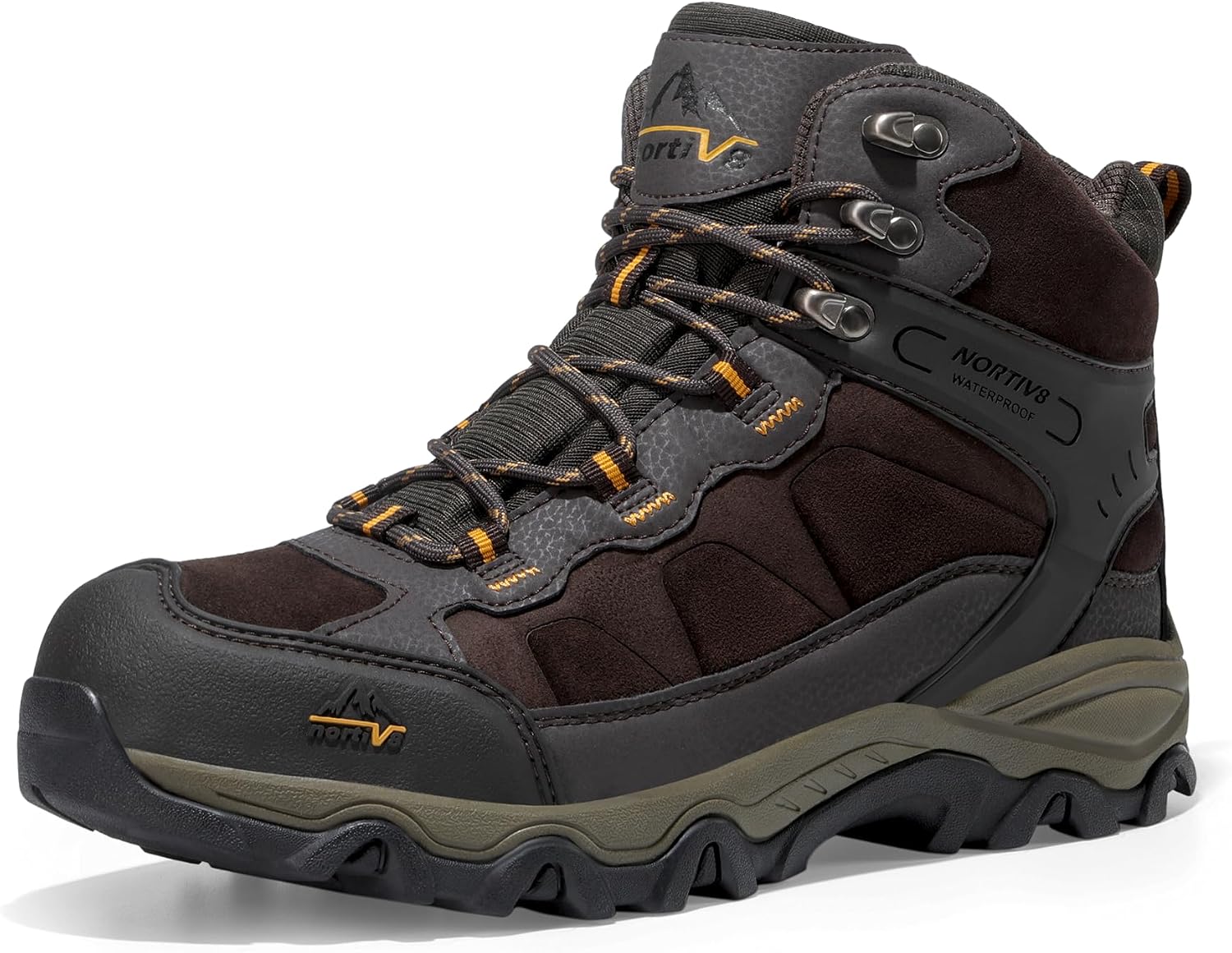 |
NORTIV 8 Lightweight Waterproof | Hiking Boot Under $50 | 76 | Synthetic | Waterproof membrane | 4.4 (14,567) | $45.54 |
 |
NORTIV 8 Women’s Waterproof | Women’s Boot Under $60 | 76 | Synthetic | Waterproof membrane | 4.4 (6,306) | $57.99 |
Best Cheap Hiking Boot Overall: Merrell Moab 2 Mid Waterproof
The previous generation of the best selling hiking boot, at a discount
Pros
- Vibram outsole at a price where competitors fit house-brand rubber
- Comfortable from the first step with no break-in period at all
- Enormous review base makes sizing feedback genuinely reliable
- Widely stocked in wide sizes, which is rare in this bracket
Cons
- Mesh panels wear through well before the outsole does
- Support falls away as soon as you add real pack weight
- Waterproofing degrades faster than a full leather boot
The trick with the Moab is buying the previous generation. Merrell keeps the outgoing model in production after a new one launches, and the difference between this and the current version is minor enough that paying more for the newer one is hard to justify. What you get is a Vibram outsole and a boot that has been refined across generations, for less than plenty of no-name boots cost.
It is comfortable immediately, which for a first pair of hiking boots matters more than almost anything else. The limitation is the mesh. Those panels are why it breathes and why it feels broken in on day one, and they are also the part that opens up first, usually long before anything else on the boot shows wear.
Who it is for: day hikers, new hikers, and anyone who wants a known quantity without paying full price. Who it is not for: backpackers under load, and anyone hiking often enough that the mesh will become an annual replacement cost.
| Upper | Suede and mesh |
|---|---|
| Waterproofing | M Select Dry |
| Outsole | Vibram TC5+ |
| Cut | Mid |
| Break-in | None |
| Wide sizes | Yes |
Best Name Brand Under $100: KEEN Targhee II Mid Waterproof
A boot that normally sits well above this price
Pros
- Nubuck leather upper rather than the mesh most boots use at this price
- Roomy toe box suits wide forefeet that narrow boots pinch
- Genuinely supportive enough for overnight trips, not just day hikes
- The outgoing generation sells for far less than it is worth
Cons
- Lowest owner rating on this page, almost entirely on sizing
- KEEN’s last is distinctive and does not suit narrow feet
- Heavier than the synthetic boots in this bracket
This is the single best value on the page and the reason is simply that it is last year’s model. The Targhee is a boot people happily pay half again as much for, and the outgoing generation sits under a hundred dollars with a nubuck leather upper while most of its price competitors are using mesh and calling it breathable.
The rating deserves an explanation rather than a gloss. It sits lower than everything else here and the complaints cluster on sizing, not on how the boot is made. KEEN builds on an unusually wide platform and people order their normal size and find it wrong. Order two sizes or read how hiking boots should fit before committing.
Who it is for: wide feet, hikers who want leather rather than mesh at this price, and anyone doing occasional overnights. Who it is not for: narrow feet, where the volume becomes movement and movement becomes blisters.
| Upper | Nubuck leather |
|---|---|
| Waterproofing | KEEN.DRY |
| Outsole | KEEN All-Terrain |
| Cut | Mid |
| Break-in | Moderate |
| Wide sizes | Yes |
Best Hiking Boot Under $50: NORTIV 8 Lightweight Waterproof
The cheapest boot here that is not a mistake
Pros
- Costs less than a decent pair of hiking socks and a sandwich
- Waterproofing genuinely works, which is not a given at this price
- Light enough that beginners do not feel weighed down
- Huge review base for reassurance on fit and sizing
Cons
- Build quality is exactly what the price suggests
- Support is minimal and pack weight is out of the question
- Expect a season or two of regular use before it is finished
Somebody has to occupy this slot honestly, so here it is. If your budget is genuinely under fifty dollars, this is the boot, and it is better than it has any right to be. It keeps water out, it grips adequately, and it does not hurt to walk in, which puts it ahead of most things at this price.
Be clear about what you are buying. The upper is synthetic, the support is minimal, and if you hike regularly you will be replacing these within a couple of seasons. That is not a criticism so much as arithmetic. Two pairs of these cost roughly what one Targhee costs, and the Targhee will still be going.
Who it is for: a genuinely tight budget, a one-off trip, a teenager who will outgrow them anyway. Who it is not for: regular hikers, where the replacement cycle makes this the more expensive choice over time.
| Upper | Synthetic |
|---|---|
| Waterproofing | Waterproof membrane |
| Outsole | Rubber lug |
| Cut | Mid |
| Break-in | None |
| Wide sizes | Limited |
Best Insulated Cheap Hiking Boot: XPETI Thermator Mid
Insulation at a price where most boots offer none
Pros
- Actual insulation, which almost nothing else at this price offers
- Warm enough for shoulder season and light snow on maintained trail
- Waterproofing holds up through slush and wet ground
- Comfortable straight away with no adjustment period
Cons
- Far too warm to use outside of cold weather
- Same durability ceiling as the other synthetic boots here
- Insulation compresses over time and loses effectiveness
Insulated boots normally start well above this bracket, and buying a cold-weather boot is exactly the sort of thing people put off because the price does not justify a handful of winter walks. The Thermator solves that. It is warm, it keeps water out, and for a Cascade autumn on maintained trail it is enough boot.
It is also a single-season boot in the literal sense. Wear it in July and your feet will be miserable, so this is a second pair rather than a replacement for your main boots. The insulation packs down with use and will be noticeably less effective after a few winters.
Who it is for: shoulder-season and winter day hikers on a budget, anyone who runs cold. Who it is not for: summer hiking, and anyone who can only afford one pair of boots for the whole year.
| Upper | Synthetic |
|---|---|
| Waterproofing | Waterproof membrane |
| Outsole | Rubber lug |
| Cut | Mid |
| Insulation | Yes |
| Break-in | None |
Best Budget Leather Boot: Hi-Tec Altitude VI Waterproof
Full-grain leather under eighty dollars
Pros
- Full-grain leather at a price where everything else uses mesh or synthetic
- Will outlast every synthetic boot on this page by a wide margin
- Waterproofing improves further once you condition the leather
- Long-running model with a stable, well-understood fit
Cons
- Needs a proper break-in, unlike the synthetics here
- Heavier than the sub-fifty options and it feels it
- Smallest review base among the picks on this page
If durability is what you actually want out of a cheap boot, this is the pick, because it is the only one under a hundred dollars using full-grain leather. Every synthetic boot on this page is on a replacement clock. This one is not, provided you look after the leather.
The trade is that it behaves like a leather boot. There is a break-in period, it is heavier than the synthetics, and it wants conditioning to stay waterproof over time. That is the deal leather always offers and at this price it is an unusually good version of it. Our guide on waterproofing hiking boots covers the routine.
Who it is for: regular hikers on a budget who are tired of replacing boots, and anyone who wants leather without spending leather money. Who it is not for: people who need boots ready this weekend with no break-in.
| Upper | Full-grain leather |
|---|---|
| Waterproofing | Dri-Tec |
| Outsole | Multi-directional lug |
| Cut | Mid |
| Break-in | Moderate |
| Wide sizes | Yes |
Best for Casual Wear: Skechers Relment Pelmo
Boot enough for light trail, shoe enough for everywhere else
Pros
- More comfortable out of the box than boots costing three times as much
- Looks normal enough to wear to work or into town
- Very large review base with consistent sizing feedback
- Memory foam footbed suits people on their feet all day
Cons
- Water resistant rather than waterproof, and the difference shows
- Lug pattern is shallow and struggles on wet or steep ground
- Not really a hiking boot once the trail gets serious
This one is on the page because a lot of people searching for cheap hiking boots do not need a hiking boot. They need something comfortable and rugged enough for gravel roads, dog walks, light trail, and the drive to the trailhead, and paying for a Vibram outsole and a Gore-Tex liner is money that never gets used.
Understand the limits before you buy. Water resistant is not waterproof, and in a wet Oregon spring you will find that out on the first puddle. The lugs are shallow enough that a steep muddy descent is genuinely unpleasant. On easy ground in decent weather it is excellent and extremely comfortable.
Who it is for: casual walkers, travel, easy maintained trail, anyone wanting one comfortable boot for daily wear. Who it is not for: real hiking, wet weather, and anything steep.
| Upper | Suede leather |
|---|---|
| Waterproofing | Water resistant |
| Outsole | Rubber lug |
| Cut | Mid |
| Break-in | None |
| Wide sizes | Yes |
Best Cheap Hiking Boot for Women: Columbia Newton Ridge Plus Waterproof
The boot that has started more women hiking than any other
Pros
- Comfortable immediately with essentially no break-in required
- Waterproofing performs well for what the boot costs
- Widely available in wide sizes and easy to find in stock
- Light enough that new hikers do not feel weighed down
Cons
- Suede thins at the flex crease within a couple of hard seasons
- Support disappears once pack weight goes on
- Omni-Grip is fine on dry rock and mediocre on wet
Ask women what they hiked their first trails in and this name comes up again and again. It is comfortable straight away, it keeps water out, and it costs little enough that buying it does not feel like committing to a hobby you have not tested. For getting someone onto a trail and keeping them there, that combination is hard to beat.
It is not built to last and saying otherwise helps nobody. The suede thins where the boot flexes, the midsole packs down, and after a couple of demanding seasons it is done. Judge it as a boot that earns back its price rather than one that outlives it. If you want something that lasts, our women’s leather hiking boots guide covers the step up.
Who it is for: new hikers, occasional trail users, anyone wanting waterproof leather cheaply. Who it is not for: backpackers under load, and anyone on wet technical ground.
| Upper | Suede leather |
|---|---|
| Waterproofing | Seam-sealed |
| Outsole | Omni-Grip |
| Cut | Mid |
| Break-in | Minimal |
| Wide sizes | Yes |
Best Women’s Boot Under $60: NORTIV 8 Women’s Waterproof
The lowest price here that still keeps water out
Pros
- Costs less than half what the name-brand women’s boots do
- Waterproofing genuinely works, which is not guaranteed at this price
- Light on the foot, which suits shorter hikes and travel
- Large review base gives real confidence on sizing
Cons
- Built to the price and it becomes obvious with use
- Minimal support, so pack weight is out of the question
- Runs narrow, and wide feet should look elsewhere
The women’s budget bracket is thinner than the men’s, and below sixty dollars the honest options are few. This is the one worth considering. It keeps water out, it does not hurt to walk in, and it costs less than half what the Columbia does.
It is a synthetic boot at a synthetic price and the replacement clock is running from day one. If you hike a handful of times a year that is fine and probably the right call. If you hike most weekends, spending more once will cost less than buying this repeatedly.
Who it is for: infrequent hikers, travel, a specific trip rather than an ongoing habit. Who it is not for: regular hikers, wide feet, and anyone carrying weight.
| Upper | Synthetic |
|---|---|
| Waterproofing | Waterproof membrane |
| Outsole | Rubber lug |
| Cut | Mid |
| Break-in | None |
| Wide sizes | Limited |
Best Full-Grain Value: Timberland White Ledge Mid Waterproof
The most reviewed hiking boot on Amazon, and it is full-grain
Pros
- Full-grain leather upper at a price most brands reserve for suede
- Review base is larger than anything else in the category by far
- Seam-sealed waterproofing handles wet grass and puddles well
- Easy to find in wide sizes and in stock year round
Cons
- Built for maintained trail rather than genuine mountain terrain
- Lugs pack with mud and clear slowly
- Padded collar breaks down faster than the leather above it
No hiking boot on Amazon has been reviewed more, and that volume alone makes the sizing guidance unusually reliable. What it actually offers is full-grain leather at a price where nearly every competitor has switched to suede or mesh, which means it will outlast most of this page.
Push it onto steep loose ground and the limits arrive quickly. The midsole is soft, the shank is minimal, and the lug pattern collects Oregon mud and holds it, which is not what you want on a wet descent. On maintained trail it is a lot of boot for the money.
Who it is for: casual and moderate hikers who want leather durability, and anyone who values a well-understood fit. Who it is not for: backpackers under load, and technical or steep muddy terrain.
| Upper | Full-grain leather |
|---|---|
| Waterproofing | Seam-sealed |
| Outsole | Rubber lug |
| Cut | Mid |
| Break-in | Moderate |
| Wide sizes | Yes |
Best Lightweight Cheap Boot: Foxelli Waterproof Hiking Boots
Trail shoe weight with boot height
Pros
- Genuinely light, which makes long days noticeably easier
- Breathes far better than the leather boots in this bracket
- Comfortable immediately with no adjustment period
- Strong owner rating across a substantial review base
Cons
- Mesh panels are the first thing to fail and they fail early
- Ankle support is limited despite the mid-height cut
- Breathability works against you once temperatures drop
Weight is the reason a lot of people give up on hiking boots and go back to trail runners. This one splits the difference. It has boot height and a waterproof membrane while staying close to trail shoe weight, and on a long day that difference compounds with every step.
The mesh that keeps it light and breathable is also its ceiling. Those panels wear through, and in cold weather all that airflow becomes a liability. It is a warm-weather day hiking boot rather than a year-round one, and priced accordingly.
Who it is for: summer day hikers, anyone who finds traditional boots heavy, and hikers wanting more support than a trail runner. Who it is not for: cold weather, pack weight, and anyone hoping for multiple seasons of hard use.
| Upper | Suede and mesh |
|---|---|
| Waterproofing | Waterproof membrane |
| Outsole | Rubber lug |
| Cut | Mid |
| Break-in | None |
| Wide sizes | Limited |
Best Low-Cut Option: Merrell Moab 3 Hiking Shoe
When you do not actually need the ankle height
Pros
- Vibram traction in a shoe that weighs far less than any boot here
- Breathes properly, which matters more than most people expect
- Dries quickly precisely because there is no membrane trapping water
- Comfortable enough to wear all day off the trail as well
Cons
- No ankle support at all on uneven or rocky ground
- Not waterproof, which rules out wet Oregon spring hiking
- Mesh wears through like every Moab does
Plenty of people buy hiking boots because that is what hiking is supposed to require, then spend every hike wishing their feet were cooler and lighter. On maintained trail in dry weather, a low-cut shoe is the better tool, and the ankle support argument is weaker than the marketing suggests. Our comparison of hiking boots versus trail runners goes into where each actually wins.
The absence of a membrane is deliberate and worth understanding. Non-waterproof shoes soak through in a stream crossing and then dry within an hour, where a waterproof boot fills up and stays full all day. In dry summer conditions that is the better trade, and in a wet Oregon spring it is clearly the wrong one.
Who it is for: summer hikers on maintained trail, fast light day hikes, and anyone who overheats in boots. Who it is not for: wet conditions, rough ground, and anyone carrying a pack that needs ankle stability.
| Upper | Suede and mesh |
|---|---|
| Waterproofing | None |
| Outsole | Vibram TC5+ |
| Cut | Low |
| Break-in | None |
| Wide sizes | Yes |
Best Splurge Under $130: Danner Mountain 600 Women’s
A serious brand that quietly sits inside a budget price
Pros
- Vibram SPE midsole absorbs impact better than any standard rubber here
- Comfortable from the first hike despite being a proper leather boot
- Costs less than half the men’s version of the identical boot
- Danner build quality is a clear step above everything else in this bracket
Cons
- Women’s sizing only, so half the readers here cannot buy it
- Suede scuffs faster than full-grain and needs conditioning
- Cemented construction means it cannot be resoled
The women’s Mountain 600 sells for well under half what the identical men’s boot costs, and there is no difference in construction to explain it. That pricing quirk drops a genuine Danner into a page about cheap hiking boots, which is not something that happens often.
It is a better boot than anything else here at any price on this page. Vibram SPE underfoot, Danner Dry waterproofing, and no break-in period despite being leather. The only reason it sits at the bottom of this list rather than the top is that it comes in women’s sizing only.
Who it is for: women who can stretch to the top of this budget and want the best boot in it. Who it is not for: men, and anyone who needs a boot they can eventually resole.
| Upper | Suede leather |
|---|---|
| Waterproofing | Danner Dry |
| Outsole | Vibram SPE |
| Cut | Mid |
| Break-in | Minimal |
| Wide sizes | Limited |
How to Buy Cheap Hiking Boots Without Regretting It
Four rules. The first one saves more money than the other three combined, and almost nobody applies it.
Count the cost over four years, not today
A boot that lasts one season and gets replaced four times is not cheap, it is expensive paid in instalments, and it is uncomfortable the whole way through. Work out how often you actually hike, then divide the price by the seasons the boot will realistically survive. Occasional hikers should buy cheap. Regular hikers usually should not.
Buy last year’s model of a good boot
This is the best trick in the category. Brands keep the outgoing generation in production when a new version launches, and the changes are usually cosmetic or minor. That is how a boot which normally sells well above this range ends up around a hundred dollars. You are buying a refined design at clearance pricing, not a lesser boot.
Look at the upper, not the outsole
Budget boots usually get the outsole and the membrane roughly right. What separates a boot that lasts from one that does not is the material above them. Mesh and synthetic feel comfortable immediately and open up at the flex points within a season or two. Suede lasts longer, full-grain leather lasts longest, and price follows that order.
Watch the words on the listing
Water resistant is not waterproof, and the gap between them shows up on the first real puddle. Leather upper can mean a thin suede panel surrounded by mesh. Neither phrase is dishonest exactly, but both are doing work. Read the material description rather than the headline, especially below the hundred dollar mark.
How We Picked
We screened every hiking boot listing under a hundred and thirty dollars that cleared a rating and review threshold, then narrowed to twelve covering the real spread of price tiers, materials, and cuts rather than twelve near-identical synthetic mid boots.
No brand paid for placement here. Every link is an affiliate link, which means Oregon Tails earns a commission if you buy, at no additional cost to you. Read our full gear testing standards and affiliate disclosure.
Cheap Hiking Boots FAQ
The questions readers send most often, answered without the marketing gloss.
Are cheap hiking boots actually worth buying?
For some people, clearly yes. If you hike a handful of times a year, a boot under sixty dollars that keeps water out and does not hurt is the right purchase, and spending more is money that never gets used. If you hike most weekends, the arithmetic reverses. A cheap boot replaced every season costs more over four years than a better boot that lasts the whole time, and it is less comfortable throughout. Match the boot to how often you actually go.
How much should I spend on hiking boots?
Around the hundred dollar mark is where the curve bends. Below that you are mostly buying synthetic uppers with a short lifespan, and above roughly a hundred and thirty the gains get smaller until you reach resoleable construction well above this page’s range. The best value on this page sits between ninety and a hundred and twenty dollars, where discounted previous-generation name brands live.
What is the catch with cheap hiking boots?
Usually the upper. Budget boots use synthetic and mesh instead of leather, which is why they feel comfortable immediately and why they wear through at the flex points within a season or two of regular hiking. The outsole and the waterproof membrane are often perfectly adequate. It is the material above them that decides how long the boot lasts.
Are last year’s models a good way to save money?
It is the single best trick in this category. Brands keep the outgoing generation in production after a new one launches, and the changes between versions are usually minor. That is how the Merrell and KEEN picks here end up around a hundred dollars when their current equivalents cost far more. You are buying a refined design at a clearance price, not a lesser boot.
Do cheap hiking boots need breaking in?
Mostly the opposite. The synthetic and mesh boots on this page need essentially none, because soft materials do not need to mould to your foot. The leather options, including the Hi-Tec and the KEEN, do need a moderate break-in. If you want boots ready for a trip this weekend, that is a genuine argument for the synthetics. See how to break in hiking boots for the process.
Should I buy waterproof or non-waterproof?
Waterproof in Oregon, almost always. The exception is hot dry summer hiking with stream crossings, where a non-waterproof shoe soaks through and dries within an hour while a waterproof boot fills up and stays full all day. Also be careful with the phrase water resistant, which appears on cheap boots and means something meaningfully weaker than waterproof.
How long will a cheap pair of hiking boots last?
A synthetic boot under sixty dollars hiked regularly will usually be finished within a season or two. A suede boot around a hundred will typically go two to four seasons before the flex crease gives out. A full-grain leather boot, even a budget one, will outlast both by years if you condition it. If you are unsure whether yours are done, read when to replace hiking boots.